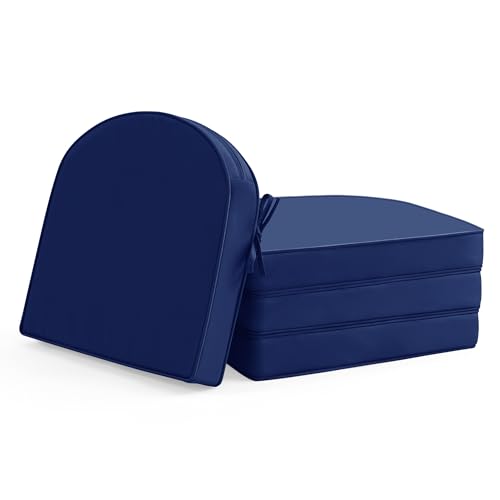
Outdoor Furniture With Waterproof Cushions: The Complete Guide
Rain, humidity, and spills do not have to ruin your patio seating. Learn how waterproof cushions work and what to check before you buy.
Why waterproof cushions matter more than the frame: Most buyers compare patio furniture by frame material and shape, but cushions are the first thing to fail in real use. A single soaked cushion can turn into a mildew problem within days, and a faded cushion makes an otherwise good sofa look old. This guide explains what "waterproof" actually means on outdoor cushions, which fabrics and fills hold up in rain, and how to choose seating that stays comfortable through changing weather.
What "Waterproof" Really Means for Outdoor Cushions
The word "waterproof" is used loosely in outdoor furniture. In practice, cushions fall into three broad groups.
Water-resistant cushions shed light rain but absorb water in extended exposure. The fabric has a treatment that repels water at the surface, but a heavy downpour can still soak through the seams and zippers.
Waterproof fabric cushions use a tightly woven or coated fabric that blocks water at the surface. Water beads and rolls off, and seams are usually sealed or taped. These work well in patios that are exposed to rain, but they can still trap moisture inside if the fill is not designed to drain.
Fully waterproof cushion systems combine a waterproof outer shell, a quick-dry or closed-cell foam fill, and a drainage path through the cushion. These are the most reliable in steady rain and humid climates, but they are typically the high-end tier of the category.
Understanding the distinction matters because many outdoor furniture sets sold as "weather-resistant" are not truly waterproof. For a broader look at materials that hold up over time, our guide to outdoor furniture that is weather-resistant covers frame-level durability, while this page focuses on the cushion itself.
Fabric Types That Resist Water
The outer fabric is the first line of defense. The table below maps the common options.
| Fabric Type | Water Resistance | Best For |
|---|---|---|
| Solution-dyed acrylic | Water-resistant, UV-stable | Most patios, long-term sun exposure |
| Olefin (polypropylene) | High water resistance, resists mildew | Humid climates, coastal patios |
| PVC-coated polyester | Effectively waterproof | Exposed patios, heavy rain regions |
| Polyester with water-repellent finish | Water-resistant, moderate durability | Covered patios, seasonal use |
Solution-dyed acrylic is the most common high-quality outdoor fabric. The color is dyed into the fiber rather than applied on top, which means it resists fading far better than printed or dyed-on-the-surface fabrics. It is water-resistant by default and becomes more resistant when treated with a fluoropolymer finish.
Olefin is naturally water-resistant and resists mildew, which makes it a strong choice for humid or coastal patios. It is often used in lower-profile or budget-conscious sets, but the best olefin fabrics perform well over many seasons.
PVC-coated polyester is effectively waterproof because the coating forms a barrier. It feels different from woven fabric — smoother and sometimes less breathable — but it is the most reliable choice in exposed conditions. For a broader comparison, our guide to outdoor furniture fabric covers texture and breathability.
Water-repellent finishes on polyester add a short-term barrier. These cushions are fine for a covered patio but need to come inside during storms. They are common in entry-level sets and should not be confused with fully waterproof fabric.
Fill Materials: Where Waterproofing Actually Breaks Down
The outer fabric is only half the cushion. The fill determines what happens when water gets inside, and this is where most "waterproof" cushions fail.
Open-Cell Foam
Open-cell foam is comfortable but absorbs water. Once it gets wet, it can hold moisture for days and develop mildew. It is common in lower-tier sets and should be avoided in exposed patios.
Closed-Cell Foam
Closed-cell foam does not absorb water, so it drains and dries quickly. It is the preferred fill for outdoor cushions that are exposed to rain. It feels slightly firmer than open-cell foam, which many people find supportive for dining chairs.
Quick-Dry Polyester Fiber
Quick-dry fiber is engineered to let water pass through and dry rapidly. It is softer than closed-cell foam and feels closer to an indoor cushion. Paired with a water-resistant fabric and a drainage path, it works well on covered patios and in humid climates.
Polyester Fiberfill With Waterproof Liner
Some cushions use a standard polyester fill inside a sealed liner. The liner keeps the fill dry, but if moisture gets in through a zipper or seam, it stays trapped. These cushions work well when the fabric is truly waterproof and the seams are sealed, but they can be a problem if the fabric is only water-resistant.
For a deeper comparison of cushion construction, our guide to outdoor furniture cushions covers fill types, thickness, and comfort trade-offs. If you are replacing cushions on existing furniture, the guide to replacement cushion covers covers the fabric selection process.
Frames That Work With Waterproof Cushions
Waterproof cushions work best when the frame beneath them drains water rather than trapping it. The right combination prevents the "wet cushion on a wet frame" problem that causes mold.
Aluminium and Metal Frames
Metal frames do not absorb water, so water passes through or off the frame rather than sitting in it. A metal frame paired with quick-dry cushions is the most reliable combination for exposed patios. A full patio set built on metal frames with waterproof cushions is a practical default.
Wicker and Rattan
Synthetic wicker is water-resistant but can trap water in the weave. Choose cushions with a quick-dry fill and check that the wicker has a drainage design under the seat. Natural rattan is not recommended for exposed patios.
Wood Frames
Wood frames need to be sealed to resist water absorption. On a covered patio or a well-sealed wood frame, waterproof cushions work fine. On an exposed deck, wood frames need more attention, and cushions should be brought inside during storms.
Resin and Plastic
Resin frames are fully waterproof and pair well with waterproof cushions. A recycled plastic outdoor furniture set with quick-dry cushions is one of the most low-maintenance combinations available.
Design Choices That Fit Waterproof Cushions
Waterproof cushions work with most patio styles, but a few design choices make the difference between a set that looks intentional and one that looks like an afterthought.
Seat Depth and Cushion Thickness
Deeper seats require thicker cushions, and thick waterproof cushions are usually firmer because they use closed-cell foam. If deep-seated comfort is a priority, choose a loveseat-style configuration with medium-depth seats rather than a very deep lounge sofa. A very deep seat with a thin waterproof cushion feels uncomfortable quickly.
Colour and Pattern
Solution-dyed acrylic and olefin hold color well, which means lighter colors are more viable than they would be on cheaper fabrics. Whites, creams, and soft greys work well in furniture that looks like indoor pieces, where waterproofing needs to be invisible.
Coordinating Sets
A waterproof cushion sofa is more useful when paired with coordinating chairs and tables. A set with swivel chairs works well because the swivel mechanism stays sealed and the cushions can be easily removed. Sets that combine a sofa and chairs with a fire pit table are a common configuration for patios used year-round.
Practical Use and Daily Habits
Even the best waterproof cushions benefit from simple habits that extend their life.
- Shake off standing water: after rain, tilt the cushions to shed pooled water. Standing water is what causes most mildew problems.
- Bring cushions inside during storms: waterproof or not, cushions last longer when not exposed to prolonged rain.
- Store in a dry space: a cushion storage box or an indoor closet keeps cushions dry between uses.
- Wipe spills immediately: food and drink stains set in faster than most people expect. A mild soap solution cleans most waterproof fabrics safely.
- Check the zipper: a broken zipper is the first failure point on a waterproof cushion. Inspect zippers each season.
If you are planning to store cushions permanently outside, a built-in cushion storage option is worth the extra cost. For a patio that is used in all seasons, our guide to outdoor furniture that can withstand weather covers broader durability considerations.
Care and Maintenance
Waterproof cushions are easier to maintain than standard outdoor cushions, but they still need routine care. Vacuum fabric cushions monthly to remove debris and dust. Spot clean with mild soap and water, and rinse fully to avoid soap residue, which can attract dirt. Let the cushions dry fully before placing them back on the furniture.
For deeper cleaning, remove the covers if the cushion has zippered covers and wash them according to the manufacturer's recommendation. Closed-cell foam cushions can be wiped down directly without removing the fill. Do not pressure wash outdoor cushions, as high pressure can damage coatings and seam seals.
Before winter or the rainy season, inspect seams and zippers. If seams start to fail, apply a seam sealant designed for outdoor fabric. For broader weatherproofing advice, see our guide to weatherproofing outdoor furniture.
Frequently Asked Questions
What does "waterproof cushions" actually mean on outdoor furniture?
It means the cushion's outer fabric and fill are designed to block or shed water. Truly waterproof cushions use a waterproof fabric with sealed seams and a closed-cell or quick-dry fill that does not absorb water. Water-resistant cushions shed light rain but can still soak through in a downpour.
Are waterproof cushions comfortable?
They can be. Closed-cell foam feels slightly firmer than standard foam, but many people find it supportive. Quick-dry fiber offers a softer feel and is a good choice for covered patios and humid climates.
Can I leave waterproof cushions outside in the rain?
Waterproof cushions tolerate rain far better than water-resistant ones, but leaving them out in heavy rain still shortens their life. During storms, shake off water and bring cushions inside or use a waterproof cover.
Do waterproof cushions get moldy?
They are much more resistant to mold than standard cushions because water does not sit in the fill. However, if water gets trapped under the fabric or in a seam, mildew can develop. Dry cushions fully after rain and inspect seams regularly.
Which material is best for waterproof outdoor cushions?
Solution-dyed acrylic and olefin are the most reliable fabric options, and closed-cell foam is the best fill for exposed patios. PVC-coated polyester is effectively waterproof and is a practical choice in very rainy regions.