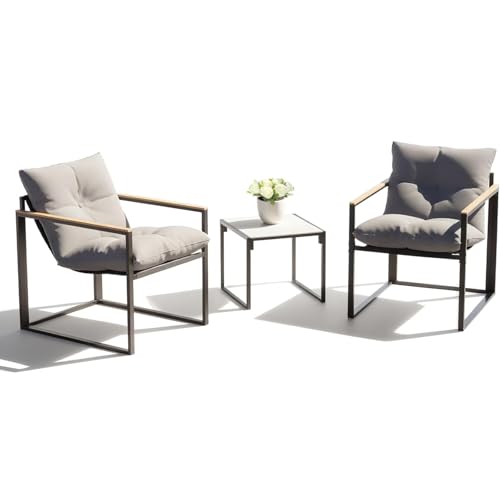
Weather Resistant Outdoor Furniture Buying Guide
How to pick patio furniture that survives sun, rain, humidity, and winter without constant upkeep.
START READINGWhy weather resistance is the most important spec: Outdoor furniture is judged by how it looks on day one and by how it looks after three summers. The gap between those two results is almost entirely determined by material choice and finish quality. Weather resistant outdoor furniture is not just about survival — it is about staying comfortable, staying safe, and staying visually coherent over time. This guide explains exactly what to look for.
What "Weather Resistant" Really Means
Weather resistance is often used loosely in marketing. In practice, it refers to how well a piece handles sun exposure (UV degradation), moisture (rot, rust, mildew), temperature swings (cracking, warping), and salt or humidity in coastal environments. A piece can be strong in one dimension and weak in another, which is why a single label rarely tells the whole story.
At the top of the category, weather resistant furniture combines a weather-tolerant frame, a UV-stabilized finish, and a fast-drying cushion or sling. When those three elements align, the furniture holds up with minimal maintenance. When one is missing — often the cushion or the finish — the whole piece suffers.
For broader context, our guide to outdoor furniture covers the full category. If you are shopping by specific weather conditions, our outdoor furniture that can withstand weather overview helps distinguish the toughest options.
Frame Materials and What They Handle
Frame material is the first decision. Each material offers a different balance of durability, weight, look, and upkeep.
Powder-Coated Aluminum
Aluminum is the most practical frame material for weather resistance. It does not rust like steel, is light enough to move, and holds up well under rain and sun. Powder-coated aluminum is the standard for durable outdoor furniture across all tiers. Thin frames can flex under weight, so heavier users should prioritize thicker gauge aluminum with solid construction.
Stainless Steel and Powder-Coated Steel
Steel frames feel heavier and more rigid, but require a rust-proof finish to last. Marine-grade stainless steel resists rust exceptionally well and is common in professional-grade and commercial-grade furniture. Ordinary steel depends entirely on a powder coat to survive; chipped coatings are where rust begins.
Teak and Sealed Hardwood
Teak is naturally weather-resistant thanks to its high oil content, making it one of the few woods that ages gracefully outdoors. Other hardwoods (acacia, eucalyptus) are similar but require periodic sealing. Untreated softwoods should be avoided for exposed patios.
Resin, Plastic, and HDPE
High-density polyethylene (HDPE) and UV-stabilized resin resist moisture, insects, and sun fade. They are the easiest materials to maintain and are common in outdoor furniture made of composite material. Cheaper plastics can become brittle over years of sun exposure, so UV stabilization matters.
Wicker and Rattan
Synthetic resin wicker over an aluminum frame is a weather-resistant choice that looks traditional. Natural wicker degrades quickly in rain and should only be used under cover. For broader context, see our outdoor furniture made from recycled plastic guide.
Material quick guide
Coastal or humid: powder-coated aluminum or marine-grade stainless steel. Rainy climates: aluminum, HDPE, or sealed teak. Sunny and dry: aluminum, powder-coated steel, or sealed hardwood. Freezing winters: lightweight aluminum that is easy to store. Windy patios: heavier steel or composite for stability.
Finishes and Coatings That Extend Life
The frame material is only half the story — how it is finished determines how long it stays protected.
Powder Coating
Powder coating is baked onto the metal, creating a durable, uniform layer that resists chipping and fading far better than paint. Quality powder-coat finishes are one of the strongest signals of a well-built piece.
UV-Stabilized Resins and Fabrics
Without UV stabilization, colored resin and fabric fade quickly in direct sun. UV-stabilized materials hold color and structural integrity for years longer, and are the standard for premium patio furniture.
Wood Sealants
Hardwood furniture should be resealed annually to maintain its weather resistance. Oil-based sealants are typical for teak and similar woods; water-based finishes are more common on painted or finished wood pieces. Skipping the sealant shortens the furniture's life noticeably.
Cushion and Fabric Treatments
Solution-dyed acrylic and olefin fabrics resist fading and mildew. Some fabrics also have water-repellent finishes. The outdoor furniture fabric guide explains fabric categories in more depth, and the outdoor furniture with waterproof cushions page covers waterproofing options.
Matching Weather Resistance to Your Climate
What works well in one climate can fail in another. These are the practical combinations that suit different weather conditions.
Coastal and Salt-Air Environments
Salt accelerates corrosion on steel and degrades many finishes. Powder-coated aluminum and marine-grade stainless steel are the most reliable choices. Synthetic wicker over aluminum works well when the wicker itself is UV-stabilized.
Rainy and Humid Climates
Moisture is the main enemy. Aluminum, HDPE resin, and sealed hardwood handle rain best. Cushions should be quick-dry, and fabric should be mildew-resistant. A set with good drainage and removable covers is easier to maintain.
Sun-Exposed Patios
UV damage fades color and weakens fabric fibers. Prioritize UV-stabilized resins and solution-dyed acrylic fabrics. Lighter colors stay cooler to the touch. Coordinating shade with a table and chairs with umbrella helps extend the furniture's life.
Freezing Winters
Freeze-thaw cycles crack low-quality plastics and stress joints. Aluminum frames with removable cushions are the most practical choice, because they can be stored easily. Our outdoor furniture that doesn't need cushions guide covers no-cushion options.
Weather Resistant Materials at a Glance
Use this comparison to match a material to your climate and usage pattern. Tier labels reflect relative market positioning, not any numeric figure.
| Material | Best For | Tier Positioning | Key Consideration |
|---|---|---|---|
| Powder-coated aluminum | Everyday patios, most climates | Entry-level to mid-range | Check gauge and weld quality |
| Marine-grade stainless steel | Coastal and exposed patios | Mid-tier to premium | Confirm stainless grade |
| Teak or sealed hardwood | Traditional patios, covered areas | Mid-tier to premium | Reseal annually |
| HDPE resin | Rainy or humid climates | Entry-level to mid-range | Confirm UV stabilization |
| Synthetic wicker over aluminum | Coastal and traditional styles | Mid-tier | Confirm resin over natural wicker |
Buying Checklist for Weather Resistant Furniture
These checks separate genuine weather resistance from marketing language.
- Frame finish: Powder-coated aluminum or marine-grade stainless steel is a stronger signal than paint.
- Fabric quality: Solution-dyed acrylic and olefin resist fade and mildew best.
- Cushion fill: Quick-dry foam and drainage channels matter more than thickness.
- UV stabilization: Confirm resins and fabrics are UV-stabilized, especially in sunny climates.
- Assembly hardware: Stainless steel or coated hardware resists corrosion better than bare metal screws.
- Drainage: Chairs and tables should not trap water — check for drainage slots or slopes.
- Warranty: Structural warranties are a strong signal of manufacturer confidence.
- Cover options: A fitted cover extends life noticeably in wet or snowy climates. Our outdoor furniture covering guide covers the options.
If you want minimal upkeep, consider sets built from non-cushioned materials or fabrics designed to dry fast. The outdoor furniture that can withstand weather and outdoor furniture made from composite decking guides are useful next reads.
Maintaining Weather Resistant Furniture
Even the most weather-resistant furniture benefits from a simple routine. The goal is to prevent small issues from becoming replacements.
- Weekly: Wipe down frames and shake out cushions to prevent moisture buildup.
- Monthly: Check hardware, tighten loose bolts, and inspect finishes for chips.
- Seasonally: Deep-clean the frame and reseal wood where applicable. Wash fabric covers according to labels.
- Before winter: Store cushions indoors and cover or move frames to shelter if freezing is likely.
The most common failure is a chipped finish left unrepaired — over time, moisture gets under the coating and corrosion spreads. A five-minute touch-up each season avoids that. For broader advice, see our weatherproofing guide.
Frequently Asked Questions
Is aluminum furniture weather resistant enough for year-round use?
Powder-coated aluminum is one of the most reliable choices for year-round outdoor use. It does not rust like steel, handles rain and sun well, and can stay outside with minimal care. Cushions should still be stored during wet or freezing months.
What is the most weather resistant outdoor furniture material?
Marine-grade stainless steel, powder-coated aluminum, and HDPE resin are among the most weather resistant. Sealed teak is excellent but requires periodic resealing. Each has strengths and weaknesses depending on the climate.
Can weather resistant furniture stay outside all year?
Most well-built aluminum, stainless steel, and HDPE furniture can remain outside year-round with a cover. Cushions should be removed and stored, and wood frames benefit from seasonal sealing.
Do I need to cover weather resistant furniture?
Covering is not strictly required, but it noticeably extends the life of both the frame and cushions, especially in wet or snowy climates. A fitted cover keeps debris off and prevents pooled water in joints.
Does weather resistant furniture fade in the sun?
UV-stabilized finishes and solution-dyed fabrics resist fading well. Non-stabilized materials can fade noticeably within a few summers of direct sun exposure.
Final Thoughts
Weather resistant outdoor furniture is a long-term investment. The best pieces combine a durable frame, a UV-stabilized finish, and cushion or fabric materials that dry quickly. Match those to your climate and you will get years of use with little upkeep. If you are still exploring complementary styles, our outdoor furniture that looks like indoor guide shows how to blend weather resistance with living-room quality.