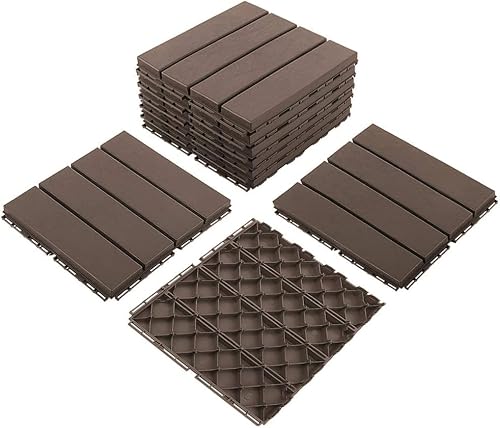
Outdoor Furniture Made From Composite Decking
Discover how composite decking furniture combines the warmth of wood with the resilience of modern materials — a practical, low-maintenance choice for patios, decks, and balconies.
START READINGWhy composite decking furniture matters: Composite decking has long been used for boardwalks, decks, and docks. Furniture makers now repurpose the same material into tables, benches, and chairs that resist moisture, insects, and fading — giving homeowners a durable alternative to traditional wood or metal pieces.
What Is Composite Decking Furniture?
Composite decking is an engineered material made from a blend of wood fibers and plastic polymers. It was originally developed for outdoor deck surfaces, but manufacturers now shape it into boards, panels, and molded components used in furniture. The result is a category of outdoor seating and tables that behaves more like plastic in terms of weather resistance, yet looks and feels closer to wood.
Furniture made from composite decking is typically assembled from thick, grooved boards joined with stainless steel or coated fasteners. Because the material does not absorb water the way natural lumber does, it resists rot, splintering, and swelling. This makes it especially appealing for humid climates, coastal areas, and regions with heavy seasonal rain.
Homeowners who are furnishing a patio from scratch often compare composite pieces with traditional materials. If you are still deciding between material families, our broader outdoor patio furniture guide covers the full landscape of options, while this article focuses specifically on composite decking construction.
How Composite Decking Furniture Is Made
Most composite furniture begins with the same extrusion or compression process used for deck boards. Wood flour and recycled plastic are heated and formed into dense, consistent planks. From there, manufacturers cut, route, and assemble the boards into finished pieces. Some producers mold entire chair frames in a single piece, while others use a knock-down design with visible fasteners.
The density of the material gives composite furniture a solid, weighty feel. This is beneficial for windy patios, where lightweight resin chairs can shift or tip. At the same time, the weight means these pieces are not always easy to move around, so placement deserves some planning before assembly.
Key Benefits of Composite Decking Furniture
- Moisture resistance: Composite boards do not absorb water, which limits rot, mold, and warping compared with untreated wood.
- Low maintenance: Most pieces can be cleaned with soap and water. There is no need for annual staining, sealing, or oiling.
- Insect resistance: Termites and wood-boring insects are not attracted to the plastic-rich composition.
- Splinter-free surface: The finished boards are smooth, which is safer for bare feet and children.
- Color stability: Quality composite furniture uses UV-stabilized pigments that resist fading better than untreated lumber.
- Consistent appearance: Because the material is engineered, boards match closely in color and grain pattern across a full set.
Potential Drawbacks to Consider
No material is perfect, and composite decking furniture has limitations worth understanding before you commit. Heavier pieces can be difficult to rearrange seasonally. Some entry-level composite formulations may expand and contract slightly with temperature swings, which can loosen fasteners over time. And while the surface resists stains, oil-based spills and hot cookware can leave marks if not cleaned promptly.
It is also worth noting that composite furniture generally offers fewer intricate design options than cast aluminum or wrought iron. If ornate detailing is a priority, composite may feel visually simpler. However, for clean-lined modern and transitional patios, the material fits naturally.
Composite vs. Traditional Materials
The table below summarizes how composite decking furniture compares with common alternatives. The goal is not to declare one material universally superior, but to help you match material behavior to your climate and lifestyle.
| Material | Weather Resistance | Maintenance Level | Best For |
|---|---|---|---|
| Composite decking | High — resists moisture and insects | Low — soap and water cleaning | Humid climates, coastal patios, low-maintenance households |
| Natural wood | Moderate — requires sealing | High — staining and oiling | Classic looks, craft-oriented owners |
| Aluminum | High — rust-proof when coated | Low — wipe down | Modern styles, lightweight rearrangement |
| Resin / plastic | High — fully waterproof | Low — rinse off | Starter-tier setups, casual seating |
| Wicker / rattan | Moderate — depends on weave | Moderate — covers recommended | Coastal and bohemian aesthetics |
If you want to explore how other material categories behave in real patios, our patio furniture with storage for cushions guide shows how storage-friendly designs pair with different construction materials.
Popular Types of Composite Decking Furniture
Composite decking is versatile enough to appear across several furniture categories. The most common applications include:
- Dining tables and benches: Thick composite boards make sturdy tabletops and bench seats that handle outdoor meals without worry.
- Adirondack-style chairs: Composite boards are shaped into the classic slatted chair profile, offering a splinter-free alternative to painted wood.
- Conversation sets: Low-profile sofas and club chairs built from composite frames suit relaxed seating areas.
- Side tables and coffee tables: Small accent pieces are easy to produce from offcuts, making them a natural fit for the material.
- Porch swings and gliders: Composite frames paired with metal hardware create durable swing seating.
For dining-focused patios, composite benches and tables pair well with other seating formats. You can browse outdoor dining furniture to see how composite pieces fit alongside chairs and tables of different builds.
What to Look For When Buying
Not all composite furniture is produced to the same standard. The following factors separate well-built pieces from weaker ones:
- Board thickness: Thicker boards resist flexing and sagging, especially on benches and table spans. Entry-level pieces sometimes use thin boards that feel springy under load.
- Fastener quality: Stainless steel or coated screws prevent rust streaks and loosening. Hidden fastener systems improve both appearance and structural stability.
- UV stabilization: Look for pieces that explicitly mention UV inhibitors. Without them, colors can dull faster in strong sun.
- Surface texture: Brushed or wood-grain embossing improves grip and hides minor scuffs better than a smooth, glossy finish.
- Frame construction: Many composite chairs use a metal or composite frame beneath the boards. A reinforced frame extends the life of the piece considerably.
- Warranty terms: Mid-range and premium composite furniture typically carries multi-year warranties against fading, cracking, and structural failure.
If you are building a dining area around composite benches, it also helps to compare how chair formats perform. Our guide to outdoor dining chairs covers frame types and weight capacities that complement composite tables.
Caring for Composite Decking Furniture
Composite furniture is described as low-maintenance, but that does not mean maintenance-free. A simple routine keeps it looking its best:
- Rinse or wipe the surface monthly with mild soap and water.
- Avoid abrasive scrubbers that can dull the surface texture.
- Clean food and oil spills promptly to prevent staining.
- Use a cover during extended off-season storage, especially in regions with heavy snow or pollen.
- Check fasteners annually and tighten any that have loosened through seasonal expansion.
For broader seasonal care guidance, our outdoor furniture cushions resource also covers how to protect the soft components that sit on composite frames.
Design Ideas for Composite Furniture
Composite decking furniture reads as natural and understated, which makes it easy to style. A few directions work especially well:
- Coastal calm: Pair composite benches and tables with light cushions, textured rugs, and outdoor shade solutions like umbrellas.
- Modern minimal: Keep the palette neutral and let the clean lines of composite boards stand on their own.
- Farmhouse warmth: Combine a composite dining table with mixed seating and woven accents for a relaxed, lived-in feel.
- Small-space efficiency: Composite side tables and compact conversation sets fit balconies and tight patios without overwhelming the space.
If your patio is on the smaller side, our guide to outdoor furniture for small screened-in porches offers layout strategies that pair well with composite accent pieces.
Is Composite Decking Furniture Right for You?
Composite decking furniture is a strong fit for homeowners who prioritize durability and low upkeep over intricate design detail. It performs best in climates with moisture, humidity, or insect pressure, and it suits households that would rather spend weekends relaxing than refinishing wood. If you value a material that holds its appearance with minimal attention, composite is worth serious consideration.
On the other hand, if you enjoy the ritual of oiling and maintaining natural wood, or if you need highly ornate detailing, traditional materials may be a better match. Many patios ultimately mix materials — a composite dining table with metal chairs, for example — and that approach can balance durability with design flexibility. Our outdoor lounge furniture section shows how mixed-material seating arrangements come together.
Frequently Asked Questions
Does composite decking furniture get hot in the sun?
Like most outdoor surfaces, composite boards can warm up in direct sunlight. Lighter colors tend to stay cooler than dark tones. Placing furniture under shade structures or using cushions helps manage surface temperature.
Can composite furniture stay outside all year?
Yes, composite decking furniture is designed for year-round outdoor exposure. In regions with heavy snow, covers are still recommended to protect the surface and reduce cleaning effort in spring.
Will composite furniture fade over time?
Quality composite materials include UV stabilizers that slow fading. Some gradual color shift is normal over many years, but premium pieces hold their color noticeably longer than entry-level formulations.
Is composite decking furniture heavy?
Yes, it is generally heavier than resin or aluminum furniture. The weight is an advantage in windy areas, but it means pieces should be placed thoughtfully before assembly.
Can I repair scratched composite furniture?
Minor scuffs can often be buffed out or touched up with a matching composite repair compound. Deep gouges may require professional refinishing or board replacement.
Ready to Furnish Your Patio?
Explore recommended composite-friendly outdoor pieces and compare options before you decide.
SEE RECOMMENDED PRODUCTS