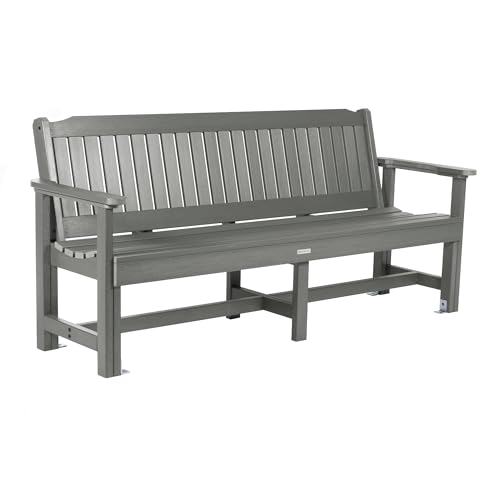
Outdoor Furniture Made From Recycled Plastic: The Complete Buying Guide
Explore how recycled plastic furniture combines sustainability, weather resistance, and long-lasting comfort for patios, decks, and gardens. Learn the materials, styles, and practical checks that help you choose the right pieces with confidence.
Start ReadingWhat Is Outdoor Furniture Made From Recycled Plastic?
Outdoor furniture made from recycled plastic is constructed using post-consumer and post-industrial plastic waste that has been cleaned, melted, and reformed into durable boards, slats, and molded components. Instead of discarding single-use plastics such as milk jugs and detergent bottles, manufacturers transform them into weather-ready furniture that serves a functional purpose for years.
The result is a category of patio furniture that behaves more like lumber than like traditional plastic garden chairs. These pieces are engineered to resist moisture, ultraviolet exposure, and temperature swings, making them a practical fit for uncovered decks, coastal patios, and rainy climates. Many buyers exploring outdoor furniture made from recycled materials discover that recycled plastic is one of the most accessible and reliable formats available.
Unlike conventional resin furniture that can become brittle and fade, recycled plastic furniture is often produced with UV stabilizers and color pigments integrated into the material itself. That means the surface resists chalking and color loss more gracefully, and small scratches tend to blend in rather than exposing a different color underneath.
The Materials Behind Recycled Plastic Furniture
Not all recycled plastic furniture is created equal. Understanding the base materials helps you evaluate construction quality and longevity, especially if you are comparing products at different points in the market.
High-Density Polyethylene (HDPE)
HDPE is the most common material in premium recycled plastic outdoor furniture. It is derived from items like milk jugs, shampoo bottles, and plastic containers. HDPE is highly resistant to moisture, rot, and insect damage, and it holds color well when UV-stabilized. Furniture made from HDPE tends to have a solid, weighty feel and a smooth or textured finish that mimics wood grain in higher-tier collections.
If you are specifically interested in HDPE construction from milk jugs, see our detailed guide on outdoor furniture made from recycled milk jugs.
Recycled Poly lumber and Composite Blends
Poly lumber refers to recycled plastic formed into lumber-like boards with consistent dimensions, which makes it easy to build traditional furniture silhouettes such as Adirondack chairs, picnic tables, and porch rockers. Some manufacturers blend recycled plastic with wood flour or other fibers to create composite materials. These blends can offer a more natural look and feel while retaining moisture resistance. For a broader look at blended materials, our overview of outdoor furniture made of composite material covers construction differences and practical trade-offs.
Molded Recycled Plastic
Some chairs and tables use injection-molded or rotationally molded recycled plastic. These pieces often have seamless forms and are lightweight relative to their size. Molded designs can be highly ergonomic, but the material thickness and UV package determine how well they age in direct sun.
Buying tip: Look for product descriptions that specify the recycled content percentage and UV stabilization. These details separate well-specified pieces from generic molded plastic furniture.
Key Benefits of Recycled Plastic Outdoor Furniture
Homeowners choose recycled plastic for a combination of practical performance and environmental reasons. The benefits below reflect the experience most buyers report after a few seasons of use.
- Weather resistance: Recycled HDPE does not absorb water, so it will not rot, swell, or warp like untreated wood. It also resists salt spray, making it a strong candidate for coastal patios.
- Low maintenance: No annual sealing or painting is required. Routine cleaning with soap and water is usually enough to keep the surface looking presentable.
- Insect and pest resistance: Termites and other wood-boring insects are not attracted to plastic, which removes a common source of long-term damage.
- Color retention: Pigments are integrated into the material rather than applied as a surface coat, so the color holds up better under sun exposure.
- Splinter-free surface: Unlike wood, recycled plastic does not develop splinters, which makes it safer for households with children and barefoot use.
- Sustainability: Each piece diverts plastic waste from landfills and often from waterways, giving the material a second useful life.
These characteristics overlap with the broader advantages covered in our guide to outdoor furniture that can withstand weather, which is useful if you are still comparing material categories.
Popular Styles and Pieces
Recycled plastic furniture is no longer limited to basic benches. Manufacturers now produce a wide range of silhouettes that suit different outdoor living needs.
Seating
Adirondack chairs remain the most recognizable recycled plastic piece, valued for their deep seat and reclined back. Porch rockers, gliders, and garden benches are also common. If you are planning a seating area, our collection of outdoor garden bench ideas shows how recycled plastic benches fit into landscape design.
Dining and Conversation Sets
Recycled poly lumber is frequently used for dining tables and matching chairs because it can be cut and assembled like wood. A recycled plastic outdoor dining table set can deliver the look of painted wood without the repainting cycle. For shaded dining, consider an outdoor dining table set with umbrella hole so you can add shade without modifying the table.
Accent and Side Pieces
Small tables, plant stands, and storage benches are also available in recycled plastic. These pieces are useful for defining zones on a patio and keeping the overall look cohesive.
Quality Tiers Explained
Because recycled plastic furniture spans a wide range of construction quality, it helps to think in tiers rather than in isolated product comparisons. The table below describes what buyers typically encounter at each level of the market.
| Tier | Typical Construction | Best For | What to Expect |
|---|---|---|---|
| Entry-Level | Thinner molded recycled plastic, simpler joinery, basic UV package | Occasional use, balconies, starter patios | Lighter weight, smoother finish, adequate for seasonal use but less refined detailing |
| Mid-Range | Solid HDPE or poly lumber, stainless or coated fasteners, embossed wood grain | Year-round patios, family households, covered decks | Better color stability, more convincing wood look, sturdier frame and hardware |
| Premium | Thick recycled poly lumber, marine-grade hardware, multi-tone finishing | Coastal homes, uncovered patios, long-term use | Refined grain patterns, heavier and more stable build, strong UV resistance |
| Commercial-Grade | Reinforced frames, commercial UV stabilization, high recycled content | Restaurants, rental properties, high-traffic outdoor spaces | Maximum durability, consistent finish across large sets, designed for constant exposure |
As a rule, mid-range pieces offer a noticeably smoother finish and more reliable hardware than entry-level options, while premium and commercial-grade tiers focus on long-term stability in demanding environments.
How to Choose the Right Recycled Plastic Pieces
Before ordering, work through the practical checks below. They help you avoid common mismatches between the product and your outdoor space.
Measure Your Space First
Recycled plastic furniture tends to have generous proportions, especially Adirondack chairs and dining sets. Measure the intended footprint and leave walking clearance around each piece. If you are working with a compact area, our guide on outdoor furniture for small screened-in porch settings offers layout ideas that apply equally to open patios.
Check the Recycled Content
Reputable manufacturers disclose the percentage of recycled content and the source material. Higher recycled content is not automatically better, but transparency is a useful signal of quality control.
Review Hardware and Assembly
Stainless steel or coated fasteners resist corrosion better than untreated hardware. Check whether assembly instructions are clear and whether replacement parts are available.
Consider Your Climate
Coastal and humid climates benefit most from HDPE. In very hot, sun-drenched regions, confirm that the product specifies UV stabilization. In cold climates, verify whether the manufacturer recommends covering the furniture during freezing months.
Plan Comfort and Cushions
Recycled plastic seats are firm by design. If you want a softer feel, plan for cushions and a storage solution. Our guide to outdoor furniture with built-in cushion storage explains how integrated storage keeps cushions dry and tidy.
Care and Maintenance
One of the strongest arguments for recycled plastic is that it asks very little of the owner. Routine care is simple and does not require seasonal refinishing.
- Routine cleaning: Use a soft brush, mild soap, and water. Rinse thoroughly and let the piece air dry.
- Stubborn marks: A gentle household cleaner and a non-abrasive pad usually lift scuffs. Avoid abrasive powders that can dull the finish.
- Winter care: In freezing climates, store or cover pieces to protect the finish. Our guide to outdoor furniture covering covers cover selection and fit.
- Hardware checks: Tighten fasteners at the start of each season to keep joints stable.
For a broader maintenance framework, see our overview of outdoor furniture that is weather-resistant.
How Recycled Plastic Compares to Other Materials
Understanding the trade-offs helps you decide whether recycled plastic is the right fit for your patio style and habits.
- Versus wood: Wood offers natural grain and warmth but requires sealing, staining, and replacement of rotting sections over time. Recycled plastic removes that maintenance cycle but has a more uniform appearance.
- Versus aluminum: Aluminum is lighter and often less expensive to ship, but it can feel less substantial in wind and may require cushions for comfort. Recycled plastic is heavier and more stable.
- Versus wicker and rattan: Natural wicker degrades in rain and sun unless treated; synthetic wicker is more durable but still has a woven surface that can trap debris. Recycled plastic is easier to wipe clean.
- Versus composite decking material: Both are recycled and weather-resistant. If you are curious how the two compare, our page on outdoor furniture made from composite decking explores the overlap.
Environmental Impact and Practical Value
Recycled plastic furniture is a practical example of circular material use. Each piece diverts plastic waste that would otherwise persist in landfills or natural environments. Because the material is durable and long-lasting, the environmental benefit compounds over the life of the furniture.
Buyers who prioritize sustainability should also consider the full picture: how the furniture is packaged, how far it ships, and whether the manufacturer offers replacement parts. These factors influence the overall environmental footprint. Many shoppers begin their research with the broader category of recycled material outdoor furniture and then narrow down to plastic as their preferred format.
Frequently Asked Questions
Is outdoor furniture made from recycled plastic durable?
Yes. HDPE recycled plastic furniture is engineered to resist moisture, UV rays, rot, and insects. Premium and commercial-grade pieces can last for many seasons with minimal care, often matching or exceeding the lifespan of traditional wood in exposed settings.
Does recycled plastic furniture look like real wood?
Many modern lines use embossed grain textures and multi-tone coloring to closely mimic wood grain. Mid-range and premium collections often look convincingly natural, while entry-level pieces tend to have a smoother, more uniform finish.
How do I clean recycled plastic patio furniture?
A soft brush, mild soap, and water handle most routine cleaning. For stubborn marks, a gentle household cleaner and a non-abrasive pad work well. Avoid harsh solvents and power washing at close range, which can dull the surface finish.
Is recycled plastic furniture heavy?
HDPE furniture is generally heavier than aluminum but lighter than concrete or solid stone. The weight is actually a benefit outdoors because it resists wind uplift. Look for pieces with manageable weight if you plan to move them frequently.
Can recycled plastic furniture stay outside all year?
In most climates, yes. UV-stabilized HDPE is designed for full outdoor exposure and will not rot, splinter, or crack from moisture. In extreme cold, some manufacturers recommend storing pieces or using covers to extend the finish life.
Ready to Explore Recycled Plastic Furniture?
Browse recommended pieces that combine eco-friendly construction with practical outdoor performance.
View Recommended ProductsIf you are still mapping out your full patio design, our outdoor living section covers seating, shade, dining, and ambiance so you can plan a cohesive space before purchasing individual pieces.