Outdoor Furniture With Built-In Cushion Storage: Smart Guide
Protect your upholstery, declutter your patio, and extend the life of your seating with clever furniture that hides cushion storage right inside the frame. Here is everything you need to know before you choose.
Explore Recommended OptionsWhat Counts as Outdoor Furniture With Built-In Cushion Storage?
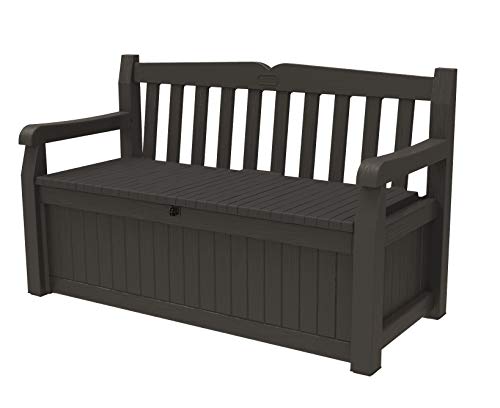
Storage-integrated outdoor furniture refers to seating, benches, and tables that include a sealed compartment beneath the seat or inside the frame. The most common formats are storage benches, storage ottomans, deck boxes that double as coffee tables, and sectional sofas with lift-up seats. The best versions combine three traits: a water-resistant shell, a gasketed lid, and a seating surface that stays comfortable even when the compartment below is full.
These pieces are especially valuable for homeowners who leave cushions outside between uses. Instead of hauling cushions indoors every evening, you lift a lid, drop them in, and close it. Over a season, that habit dramatically reduces UV fading, rain saturation, and mildew risk. If you are still deciding between cushion-free and cushion-based seating, our comparison of outdoor furniture that doesn’t need cushions is a useful companion read.
How Built-In Cushion Storage Actually Works
Most storage benches and deck boxes use one of three mechanisms: a hinged lid with gas struts, a lift-off top, or a slide-out drawer. Gas-strut lids are the most convenient because they stay open while you load cushions and close softly. Lift-off tops are simpler and often more watertight, but they require two hands and a place to set the lid down. Slide-out drawers work well for narrow balconies where a hinged lid would swing into a wall.
Inside the compartment, quality models include a raised floor that keeps cushions off any pooled moisture, ventilation slots to prevent condensation, and a rubber gasket around the rim. These details matter more than the exterior finish. A visually attractive bench with a poor seal will still let damp air in, so always check the interior construction before you commit. For a broader look at storage in outdoor furniture, see our guide to outdoor furniture with storage.
Entry-Level, Mid-Range, and Premium Tiers Compared
To keep the comparison practical, we use three universal quality tiers. They describe market position and build quality, not any specific figure. The same tier language appears across our buying guides so you can compare products consistently.
Starter Tier Storage Benches
Typically molded resin or basic polyethylene with a simple lift-off lid. Good for small patios and one or two cushions. Expect lighter construction and fewer seals. A solid choice for seasonal use in mild climates.
Balanced Tier Deck Boxes & Benches
Reinforced resin or powder-coated aluminum with gas-strut lids, gaskets, and ventilation. Rated for seating. These models usually offer the best balance of capacity, weather resistance, and everyday convenience.
High-End Tier Integrated Seating
Marine-grade polyethylene, teak, or heavy-gauge aluminum with sealed compartments, raised floors, and soft-close hardware. Designed for year-round exposure and large cushion collections. Often doubles as a design feature.
| Tier | Best For | Typical Materials | Storage Capacity | Seating Rated |
|---|---|---|---|---|
| Entry-Level | Small patios, balconies, seasonal use | Molded resin, basic polyethylene | Compact (1–2 cushions) | Sometimes |
| Mid-Range | Family patios, daily use, mixed climates | Reinforced resin, powder-coated aluminum | Moderate (full chair set) | Yes |
| Premium | Year-round exposure, large sectionals | Marine-grade polyethylene, teak, heavy aluminum | Generous (sectional cushions) | Yes, reinforced |
Materials That Hold Up Outdoors
The shell material determines how long the storage compartment survives sun, rain, and temperature swings. Resin and polyethylene are the most common because they resist moisture and do not rust. Powder-coated aluminum is lighter and often used in seating frames. Teak and other dense hardwoods are premium options that age gracefully but need occasional sealing.
Look for UV-stabilized resin, stainless-steel hinges, and rubber or silicone gaskets. These small components fail first in lower-quality units. A heavy-duty lid and reinforced base also matter if the piece is rated for seating. If you are furnishing a sun-heavy region, our guide to the best outdoor furniture for hot climates explains how heat and UV affect different materials over time.
How Much Cushion Storage Do You Need?
Capacity is usually expressed in gallons or cubic feet. As a practical rule, a four-piece cushion set for a sofa, two chairs, and an ottoman needs roughly 40 to 60 gallons of internal space when cushions are stacked loosely. Larger sectional cushions can require 90 gallons or more. Mid-tier benches commonly provide 70 to 90 gallons, while premium deck boxes often exceed 120 gallons.
Also consider the shape of the compartment, not just the volume. A tall narrow box may not fit wide seat cushions. Measure your largest cushion before buying, and check the internal height, width, and depth. If you are planning a full seating arrangement, our guide to outdoor furniture sets with swivel chairs shows how storage benches can complement motion seating without crowding the layout.
Buying Checklist Before You Commit
- Confirm the lid has a gasket and a secure latch, not just a friction fit.
- Check whether the unit is rated for seating and what weight it supports.
- Measure your largest cushion against the internal compartment dimensions.
- Look for ventilation slots or a breathable seal to reduce condensation.
- Verify hinges are stainless steel or otherwise rust-resistant.
- Decide between a hinged lid, lift-off top, or slide-out drawer based on your space.
- Match the finish and footprint to your existing patio furniture and layout.
- Plan a covered or shaded spot if the unit will stay outside year-round.
If you prefer a coordinated look, storage benches pair naturally with swivel chair sets and table-and-chair sets with an umbrella. For windy or exposed decks, our guide to outdoor furniture that can be bolted down explains how to secure heavier storage pieces.
Where to Place Storage-Integrated Furniture
Placement affects both convenience and longevity. Put the storage bench near the seating area it serves so loading and unloading cushions is effortless. Avoid low spots where water pools after rain, and keep the unit slightly away from sprinklers and roof runoff. If your patio is small, a storage bench along a wall can replace a separate deck box and free up floor space.
For compact areas, combine a storage bench with outdoor lounge furniture for small spaces to keep the layout open. On larger patios, a storage coffee table can anchor a conversation zone while hiding cushions for the whole seating group. Homeowners planning a full redesign may also find our outdoor living room guide useful for zoning seating, dining, and storage.
Care and Maintenance for Long-Term Performance
Even well-sealed storage compartments benefit from routine care. Wipe the gasket and rim every few weeks, clear debris from ventilation slots, and dry cushions fully before storing them. Once a season, clean the interior with a mild vinegar solution and let it air out completely before closing. If you live in a humid climate, a reusable moisture absorber inside the compartment is a simple safeguard.
For the surrounding furniture, pair storage care with a broader maintenance routine. Our guides to weatherproofing outdoor furniture and outdoor furniture with built-in storage for cushions cover seasonal protection in more depth. If you are also considering a fire feature nearby, our fire pit and swivel chair guide explains safe spacing.
Who Benefits Most From Built-In Cushion Storage?
Storage-integrated furniture is especially valuable for three groups: homeowners in rainy or humid climates, families who use their patio daily, and anyone with limited indoor storage. It also suits renters who want a tidy balcony without installing permanent structures. If your priority is low-maintenance seating without removable cushions, compare the trade-offs in our guide to cushion-free outdoor furniture.
For households that entertain often, a storage bench near the dining zone keeps extra cushions handy for umbrella-shaded dining sets. For those building a complete outdoor room, our outdoor furniture buying hub ties together seating, dining, and storage recommendations.
Frequently Asked Questions
Is outdoor furniture with built-in cushion storage truly weather-resistant?
Most quality storage benches and deck boxes use weather-resistant resin, marine-grade polyethylene, or powder-coated aluminum with sealed lids and gaskets. These designs keep cushions dry during light rain, but during prolonged storms or heavy snow, cushions should still be moved indoors or into a covered space for maximum lifespan.
What size storage furniture do I need for a full patio cushion set?
As a general rule, allow roughly 40 to 60 gallons of internal storage for a four-piece cushion set covering a sofa, two chairs, and an ottoman. Mid-tier storage benches often provide 70 to 90 gallons, while top-tier deck boxes reach 120 gallons or more for larger sectional cushion collections.
Can built-in cushion storage furniture double as seating?
Yes. Many storage benches are rated for seating and support 300 to 500 pounds when properly assembled. Look for reinforced lids, gas-strut hinges, and flat-top designs that function as comfortable benches while concealing a watertight storage compartment.
How do I prevent mold inside a cushion storage compartment?
Choose units with ventilation slots or breathable gaskets, dry cushions fully before storing, and place a moisture absorber inside the compartment. Cleaning the interior with a mild vinegar solution each season also discourages mildew growth.
Does built-in cushion storage add long-term value to a patio setup?
It can. Storage-integrated furniture reduces cushion replacement frequency, protects upholstery from UV and rain damage, and keeps outdoor spaces tidy. Many homeowners treat it as a long-term investment that pays off through extended cushion lifespan and less seasonal storage hassle.
Ready to Compare Storage-Integrated Seating?
Browse recommended options below to find a storage bench, deck box, or seating piece that fits your patio, your cushion collection, and your climate.
View Recommended Products