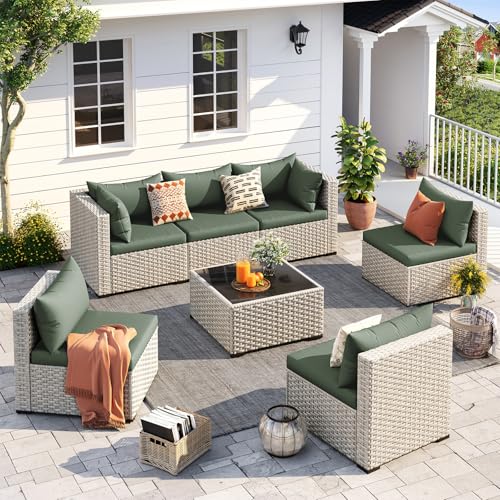
Outdoor Living Room: The Complete Guide to Designing a Comfortable Outdoor Space
Turn your patio, deck, or backyard into a true second living room. Learn how to choose furniture, plan layouts, select durable materials, and create a space you will use every day.
Explore Recommended PiecesWhy an outdoor living room matters: An outdoor living room extends your home beyond four walls. Unlike a simple patio set, a well-designed outdoor living room functions like an indoor room — with comfortable seating, conversation zones, lighting, and shade. This guide walks you through every decision, from sofa selection to material durability, so you can build a space that feels intentional and lasts for years.
What Defines an Outdoor Living Room?
An outdoor living room is more than furniture placed on a patio. It is a defined outdoor zone designed for relaxation and socializing, typically built around a central anchor such as a sectional sofa, a conversational seating group, or a fire pit arrangement. The key difference from a basic patio setup is intent: an outdoor living room is furnished like an interior room, with layered comfort, cohesive style, and functional zones.
Most outdoor living rooms include four core elements: comfortable seating (usually a sofa or sectional plus accent chairs), a surface for drinks and food (coffee table or side tables), shade or shelter (umbrella, pergola, or covered structure), and ambient elements (lighting, rugs, plants, and sometimes heating). When these elements work together, the space becomes a natural extension of your indoor living areas.
If you are still deciding on the overall concept, our outdoor living hub covers related themes such as dining areas, lounging zones, and entertainment setups that pair naturally with a living-room layout.
Core Furniture Pieces for Your Outdoor Living Room
The furniture you select determines how the space functions and how long it lasts. Outdoor living rooms generally follow one of three configurations: sectional-based, conversation-set-based, or lounge-chair-based. Each has trade-offs in seating capacity, footprint, and flexibility.
Outdoor Sectional or Sofa
The centerpiece of most outdoor living rooms. A sectional seats more people in a compact footprint and defines the conversation zone. Look for modular designs so you can reconfigure the layout as needs change. For a complete package, explore outdoor furniture sets with swivel chairs.
Lounge Chairs & Accent Seating
Accent chairs add flexibility and visual variety. Swivel chairs work well because they let guests turn toward the conversation or the view without moving furniture. Browse lounge furniture for small spaces if your footprint is limited.
Coffee Tables & Side Tables
A coffee table anchors the seating group and provides a surface for drinks, books, and decor. Side tables between chairs improve usability. For integrated convenience, consider furniture with built-in cushion storage.
Cushions & Textiles
Cushions transform outdoor seating from functional to comfortable. Look for high-density foam wrapped in solution-dyed acrylic fabric for fade and mildew resistance. If you prefer low-maintenance options, see outdoor furniture that does not need cushions.
Layout and Space Planning
Layout determines whether an outdoor living room feels cozy or awkward. The most reliable approach is to start with a conversation circle: arrange seating so that every seat is within comfortable speaking distance of the others, typically 8 to 10 feet apart. Leave at least 18 inches between the coffee table and seating for legroom, and maintain 30 to 36 inches of walking clearance around the main group.
Common Layout Patterns
- L-shaped layout: A sectional along two edges with chairs opposite. Ideal for rectangular patios and open-plan decks.
- U-shaped layout: Seating on three sides creates a strong conversation enclosure. Works best in larger or square spaces.
- Symmetrical layout: Two sofas facing each other with a central table. Classic and balanced, but requires more width.
- Floating layout: Furniture placed away from walls to create distinct zones. Useful on large decks or open lawns.
If your outdoor living room connects to a dining or kitchen area, consider a combined arrangement. Our guide to an L-shaped couch with dining table shows how to merge lounging and dining in one footprint. For smaller balconies, the small-space lounge guide offers compact alternatives.
Materials and Durability: What to Look For
Outdoor living room furniture faces sun, rain, humidity, and temperature swings. Material choice is the single biggest factor in longevity. The table below compares the most common frame and surface materials by their market position and best use.
| Material | Tier | Best For | Key Consideration |
|---|---|---|---|
| Powder-Coated Aluminum | Mid-range to premium | Humid and coastal climates | Rust-proof finish, lightweight, low maintenance |
| All-Weather Resin Wicker | Entry-level to mid-range | Classic and coastal styles | UV-resistant weave; check frame material underneath |
| Teak & Hardwood | Premium to luxury | Natural, warm aesthetics | Requires periodic sealing; weathers to silver-gray |
| Cast Aluminum | High-end tier | Traditional and ornate designs | Heavy-duty, detailed castings, long-term investment |
| Steel with Rust-Proof Finish | Mid-tier | Modern frames and structures | Verify coating quality; heavier than aluminum |
For fabric, solution-dyed acrylic is the benchmark for fade resistance and color retention. Olefin is a solid mid-tier alternative. Always confirm that cushions have quick-dry foam and removable, washable covers. If your climate is particularly harsh, our guide to furniture for hot climates covers heat-specific concerns, while all-weather wicker furniture remains a dependable choice for mixed climates.
Shade, Lighting, and Ambiance
An outdoor living room is only usable if it is comfortable at different times of day. Shade is non-negotiable in sunny climates. Options range from a simple market umbrella to a full pergola. A cantilever umbrella is a strong choice because it shades the seating area without a center pole interrupting the layout — see our guide to the 10 ft cantilever hanging patio umbrella for sizing considerations.
Lighting extends usable hours into the evening. Layer three types: overhead or string lighting for general illumination, table and floor lamps for reading and tasks, and accent lighting (lanterns, path lights) for atmosphere. Warm-white bulbs in the 2700K to 3000K range create the most inviting feel.
Add a weather-resistant outdoor rug to visually define the living zone and soften hard surfaces. Finally, consider a fire pit or patio heater for shoulder-season use. A furniture set with fire pit and swivel chairs combines seating and warmth in one coordinated arrangement.
Choosing Your Tier: A Practical Comparison
Outdoor living room furniture is generally available across three broad market tiers. Understanding what each tier delivers helps you match your selection to how intensively you will use the space and how long you expect the furniture to last. All descriptors below are relative to the category, not tied to any specific figure.
Entry-Level & Starter
Typically features steel or resin frames with basic powder coating and standard olefin cushions. A solid choice for covered patios, seasonal use, or first-time setups. Expect shorter cushion lifespans and simpler frame welds. Good value for its tier when the space is sheltered.
Mid-Range
Usually built with powder-coated aluminum or quality resin wicker over aluminum frames, paired with solution-dyed acrylic cushions. More refined joinery, better weight distribution, and improved weather resistance. Competitive within its class and the most common choice for year-round use.
Premium & Luxury
Features cast aluminum, solid teak, or high-grade stainless steel with marine-grade hardware. Cushions are often custom-fit with high-density quick-dry foam. These pieces are a long-term investment with the most consistent finish quality and the highest resale durability.
As a rule of thumb: mid-range models generally offer a better balance of durability and refinement than entry-level pieces, while premium models justify their position through material longevity and detail work. If you want a broader overview of how these tiers compare across brands, our top outdoor furniture brands breakdown is a useful companion read.
Maintaining Your Outdoor Living Room
Consistent, light maintenance is more effective than occasional deep cleaning. Follow these routine practices to protect your investment:
- Weekly: Wipe down tables and arms; shake out or vacuum cushions to prevent debris buildup.
- Monthly: Rinse frames with mild soap and water; check for loose fasteners and tighten as needed.
- Seasonally: Deep-clean cushion covers according to manufacturer instructions; inspect welds and joints; apply sealant to wood surfaces.
- Before winter: Store cushions indoors, cover frames with breathable covers, and move lightweight pieces to sheltered areas.
For a deeper dive, our outdoor furniture resource hub links to care guides, cover recommendations, and material-specific maintenance routines.
Frequently Asked Questions
How much space do I need for an outdoor living room?
A functional conversation layout typically needs at least 8 by 10 feet of clear space. A sectional with a coffee table generally requires 10 by 12 feet. For smaller areas, a two-chair-and-table arrangement can work in as little as 6 by 6 feet. Measure your available footprint and leave walking clearance before selecting furniture.
Can I use indoor furniture in an outdoor living room?
Standard indoor furniture is not built for moisture, UV exposure, or temperature swings and will deteriorate quickly outdoors. Even on covered patios, humidity and indirect sunlight cause fabric and frame damage. Choose furniture specifically rated for outdoor use, with weather-resistant frames and outdoor-grade fabrics.
What is the best layout for a long, narrow patio?
For narrow spaces, place a sofa or sectional along the longest wall and use lightweight accent chairs opposite. Avoid facing sofas, which consume width. A single row of seating with a slim coffee table preserves walking clearance. Modular sectionals are especially useful because they can be reconfigured as your needs change.
How do I protect outdoor furniture in winter?
Bring cushions indoors or store them in a dry, ventilated space. Cover frames with breathable, water-resistant covers that allow air circulation and prevent trapped moisture. Move lightweight aluminum or resin pieces to a sheltered area if possible. Clean and dry everything thoroughly before storage to prevent mold and mildew.
Should I choose a sectional or separate sofa and chairs?
A sectional maximizes seating in a compact footprint and creates a cohesive look, but it is less flexible to rearrange. A sofa plus separate chairs offers more layout flexibility and easier movement. If you entertain often and have a defined space, a sectional is efficient. If your needs change frequently, modular pieces are the better choice.
Ready to Furnish Your Outdoor Living Room?
Browse our curated selection of outdoor living room furniture, selected for durability, comfort, and design cohesion.
View Recommended Pieces