Outdoor Furniture Replacement Cushion Covers: The Complete Guide
Replacement cushion covers are the smartest way to refresh patio furniture without replacing the whole set. This guide explains fabric types, fit, waterproofing, tie and zipper options, and care so you can choose covers that look great and hold up outdoors.
Why Replace Covers Instead of Cushions
Outdoor cushions typically fail on the cover first. Sun fades the fabric, rain and humidity cause mildew, and stitching wears out before the foam core loses its shape. When that happens, replacing only the cover preserves the cushion's structure and saves significant effort compared with buying an entire new set.
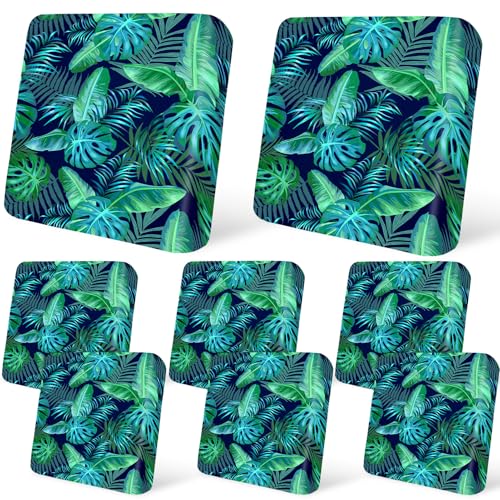
Replacement covers also let you change the style of a patio without changing the furniture. A new color or pattern can feel like a full refresh for a fraction of the effort. And because covers are easier to wash and swap, they make it practical to rotate cushion looks between seasons or update a room's palette without committing to a permanent change.
This guide is written for buyers in the research phase. You already know replacement covers are the right move — now you need the details that determine whether the new covers fit well, last, and feel good to sit on.
Getting the Fit Right
Fit is the single most important factor in cushion cover satisfaction. A cover that is too small will not zip or will strain at the seams; one that is too large looks sloppy and shifts as people sit. Measure carefully before ordering.
Measure the Cushion, Not the Old Cover
Measure the cushion's length, width, and thickness at its widest points. Old covers stretch over time, so measuring the old cover often produces a cover that is too large. Use a soft measuring tape and note the dimensions in inches or centimeters depending on the seller's spec sheet.
Seat Cushions vs. Back Cushions
Seat cushions are usually rectangular and flat. Back cushions are often wedge-shaped or thicker at the base. Confirm the cover style matches the cushion shape. Our guide to outdoor furniture cushions covers seat and back cushion differences in more detail.
Sectional and Curved Cushions
Sectional pieces often have curved or wedge cushions. Specialty covers for these shapes are available but less common. For curved pieces, see our guide to outdoor curved sectional replacement cushions for sizing and pairing considerations.
Deep Seating
Deep-seat cushions are thicker and often require more robust covers. Our guide to outdoor deep seating replacement cushion covers covers the thicker cushion format.
Cushion Cover Categories at a Glance
The table below groups replacement cushion covers by market tier so you can quickly see how options differ.
| Category | Market Tier | Best For |
|---|---|---|
| Basic polyester covers | Entry-level | Occasional use, sheltered patios |
| Solution-dyed acrylic covers | Mid-range to premium | Everyday outdoor use, sunny climates |
| Waterproof treated covers | Mid-range | Patios with frequent rain exposure |
| Designer and custom-fit covers | Premium to luxury | Coordinated decor, specific cushion shapes |
Fabric Types and Weather Resistance
Solution-Dyed Acrylic
Solution-dyed acrylic is the gold standard for outdoor fabric. The color is added to the fiber before it is woven, so it resists fading and holds color better than surface-dyed fabrics. It also resists mildew when cleaned properly and feels soft to sit on. Covers made from this fabric are typically mid-range to premium.
Polyester
Polyester covers are common in the entry-level to mid-range segments. Quality varies widely: treated polyester with UV stabilization holds up well for several seasons, while untreated fabric fades quickly. If you choose polyester, look for UV resistance and mildew treatment on the spec sheet.
Waterproof and Water-Resistant Coatings
Waterproof covers use a laminated backing or a tightly woven fabric with a durable water repellent (DWR) finish. Our guide to outdoor cushion covers waterproof covers these finishes and their trade-offs. Note that "waterproof" covers can trap moisture inside if water gets in through seams or zippers, so ensure the cushion core dries completely before covering.
Fabric for Pets and Kids
For households with pets or young children, choose fabrics with tight weaves and removable, washable covers. Our guide to outdoor cushion covers for patio furniture covers practical fabric comparisons.
Closure Types and Attachment
Zippers
Zippers are the most secure closure and the easiest to use for cleaning. Look for zippers with a protective flap that hides the teeth and reduces water intrusion. Metal zippers can corrode; plastic zippers are more forgiving outdoors.
Ties
Ties secure the cushion to the chair frame or the cover to the cushion. They are useful on dining chairs and any seating where cushions tend to slide. Reinforced tie loops on the cover and sturdy ties on the chair frame prevent the cushion from shifting in wind.
Envelope and Overlap Closures
Some covers use an envelope-style back or overlap opening instead of a zipper. These are simpler and less likely to fail, but harder to remove for cleaning. They suit covers that will be cleaned infrequently.
Slipcovers
Slipcovers are a loose-fitting alternative to fitted covers. They are easier to put on but shift more and look less tailored. Our guide to outdoor furniture replacement cushions covers slipcover alternatives.
Buying Considerations
- Confirm dimensions against the seller's size chart. Sizes vary between sellers; do not assume standard sizing.
- Match cover shape to cushion shape. Square, rectangular, and wedge cushions require different cover designs.
- Check the seam quality. Double-stitched seams resist splitting better than single-stitched seams.
- Look for UV and mildew treatments. These are essential for outdoor covers, especially in sunny or humid climates.
- Consider color fading. Dark and bright colors fade more visibly than neutral tones.
- Review care instructions. Machine washable covers are easier to maintain but may wear faster.
- Plan for rotation. A second set of covers lets you swap while one is being cleaned.
Care and Maintenance
Replacement covers are only as durable as the care they receive. Shake off debris weekly, rinse with mild soap and water, and allow to air dry fully before replacing on the cushion. Avoid harsh detergents, bleach on colored fabrics, and high-heat drying, which can shrink stitching and weaken UV finishes.
For deep cleaning, remove the cover, machine wash on a gentle cycle if the manufacturer allows it, and air dry. Re-cover only when the cushion is completely dry to prevent mildew inside the cover. During off-season months, store covers and cushions in a dry, ventilated space. Our guide to outdoor furniture cushion storage covers storage options.
If you have cushions that are prone to mildew, our guide to outdoor furniture with waterproof cushions covers treated cushion cores that resist moisture.
Refreshing the Look Without Replacing the Set
New covers can transform the appearance of a patio without a significant change to the furniture footprint. Coordinating covers with throw pillows, an outdoor rug, or a patio umbrella can unify the space. Our guide to outdoor furniture fabric covers fabric coordination across pieces.
For sectional seating, a full set of matching covers creates a cohesive look that can feel like a new sofa. Our guide to outdoor furniture cushions for sectional covers sizing considerations for larger sets.
A Practical Buying Framework
- Measure each cushion carefully at its widest points.
- Choose the fabric based on sun, rain, and humidity exposure.
- Select the closure type based on cleaning habits and cushion movement.
- Confirm UV and mildew treatment on the spec sheet.
- Plan a rotation or second set for cleaning and seasonal swaps.
- Coordinate color with rugs, pillows, and umbrellas for a cohesive look.
Following this order keeps the decision grounded in how the cushions will be used and maintained. For an overview of the broader category, see outdoor furniture replacement cushion covers.
Frequently Asked Questions
Can I replace just the covers instead of the cushions?
Yes, provided the cushion core is still in good shape. Replacement covers preserve the existing foam and save significant effort compared with buying full new cushions.
How do I know what size cover to order?
Measure the cushion at its widest points — length, width, and thickness. Use the seller's size chart to match those dimensions. Do not measure the old cover, which may have stretched over time.
What fabric is best for replacement cushion covers?
Solution-dyed acrylic is the most durable fabric for outdoor covers. Treated polyester can perform well at a lower tier. Waterproof and water-resistant finishes add protection in rainy climates.
Are waterproof covers better than water-resistant covers?
Waterproof covers block water entirely; water-resistant covers repel most water but can let some through in heavy rain. Both require proper airflow to prevent mildew inside the cushion.
How do I clean outdoor cushion covers?
Shake off debris, rinse with mild soap and water, and air dry fully before re-covering. Machine wash on gentle cycle only if the manufacturer allows it. Avoid harsh chemicals and high heat.
Final Thoughts
Replacement cushion covers are one of the smartest ways to extend the life of outdoor furniture and refresh your patio look. Focus on fit, fabric quality, and closure type first, then plan care and rotation. With the right covers and a simple maintenance routine, your patio will look fresh and feel comfortable for many seasons.