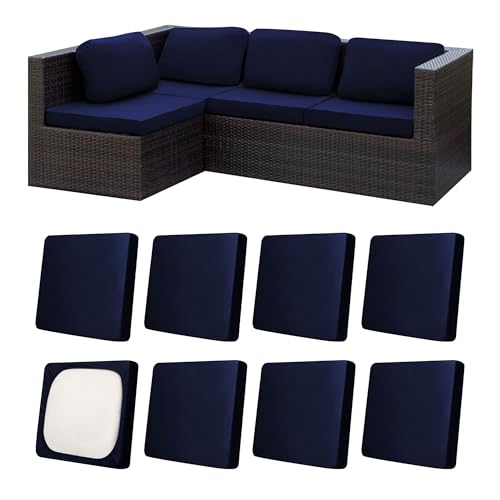
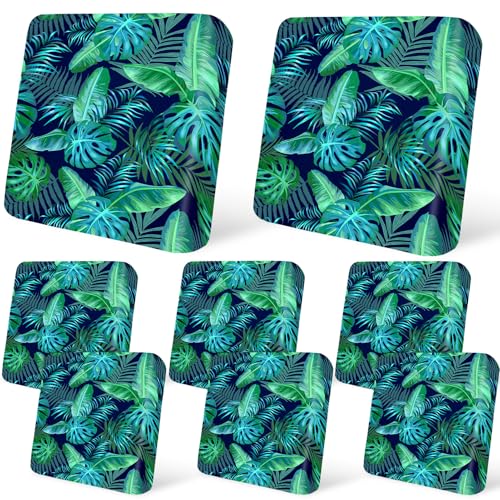
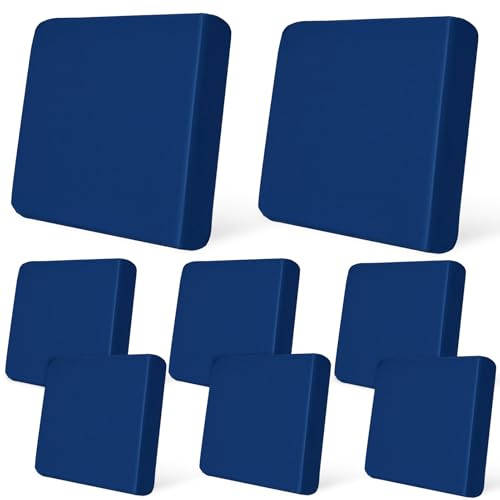
Outdoor Cushion Covers for Patio Furniture
A practical, complete buying guide to fabrics, fit, weather protection, and styling — everything you need to refresh your patio seating with confidence.
Explore the GuideWhy cushion covers matter: Patio cushions take the brunt of sun, rain, dust, and daily use. A well-chosen cover protects the cushion core, extends the life of your seating, and instantly updates the look of your outdoor space — often at a fraction of the investment of new furniture. This guide walks you through fabric choices, measuring for a precise fit, waterproof versus water-resistant construction, and maintenance habits that keep covers looking fresh season after season.
Why Replace Cushion Covers Instead of Whole Cushions
When patio cushions start to look tired, the cushion core is often still perfectly serviceable. Replacing just the cover is a smart, sustainable approach that refreshes the appearance of your seating while preserving the foam or fiberfill inside. It also lets you change color and pattern without committing to an entirely new furniture set. Homeowners who invest in quality furniture — such as a conversation set with a dining table or a durable outdoor couch — often find that new covers are the most efficient way to extend the life of an otherwise solid piece.
Covers also solve specific pain points: a stained cushion that no longer cleans up, a faded fabric that clashes with a refreshed patio palette, or a cushion whose original cover has lost its water repellency. If your cushions are still comfortable and structurally sound, a replacement cover is a practical upgrade. For broader context on cushion construction and care, our outdoor cushion guide covers the fundamentals.
Fabric Guide: What to Look For in Outdoor Cushion Covers
Fabric is the single most important factor in how a cover performs. Not all outdoor fabrics are equal, and the label alone does not tell the full story. Here is how the main categories compare.
Solution-Dyed Acrylic
The benchmark for premium outdoor covers. Color is added to the fiber before it is spun, so it resists fading even under intense UV exposure. It dries relatively quickly and holds up well to repeated cleaning. Mid-range and high-end tier covers commonly use this fabric, and it is the most reliable choice for sunny, exposed patios.
High-Grade Polyester
A dependable mid-range option. Modern solution-dyed polyester offers strong fade resistance and good water repellency at a more accessible position in the market. It is slightly less breathable than acrylic in some constructions, so look for a weave that allows airflow. Well-specified for the category and widely available.
Olefin
Lightweight, quick-drying, and naturally resistant to mildew and moisture. Olefin is a solid choice for humid climates and covered porches. It is less UV-stable than acrylic, so it performs best in shaded or partially shaded settings rather than full afternoon sun.
Cotton and Cotton Blends
Comfortable and breathable, but not ideal for exposed outdoor use. Cotton absorbs water, dries slowly, and is prone to mildew. Reserve cotton-blend covers for fully covered porches where cushions are brought inside after use, or choose them only as a decorative accent layer.
Waterproof vs. Water-Resistant: Which Cover Is Right for You
This is one of the most common sources of confusion, and the right answer depends on your climate and how your patio is sheltered. A waterproof cover typically uses a coated or laminated backing with sealed seams to block liquid water entirely. A water-resistant cover uses a tightly woven fabric with a durable water repellent finish — it sheds light rain but allows moisture vapor to escape.
| Cover Type | Best For | Trade-Off to Know |
|---|---|---|
| Waterproof (sealed backing, sealed seams) | Exposed patios with frequent heavy rain; uncovered furniture | Can trap humidity if the cushion is damp when covered; heavier fabric feel |
| Water-resistant (DWR finish, breathable weave) | Covered porches, mixed climates, daily-use furniture | Sheds light rain but soaks through in sustained downpours |
| Hybrid (water-resistant face + breathable waterproof membrane) | Most residential patios; a balanced all-around choice | Generally positioned in the mid-tier to high-end tier of the category |
For a dedicated look at water protection options, our guide to waterproof outdoor cushion covers breaks down construction details and seam sealing. If you are refreshing a wicker or rattan set, the cushion sets for wicker furniture guide covers fit considerations specific to woven frames.
Getting the Fit Right: Measuring for Replacement Covers
A cover that is too tight stresses seams and zippers; one that is too loose looks saggy and collects water. Measure the cushion core after removing the old cover, and record length, width, and thickness at the thickest point. Add roughly half an inch of seam allowance per side, depending on the cover's construction and whether it uses a zipper or a envelope-style closure.
- Measure the core, not the old cover. Old covers stretch and distort over time, so their dimensions can mislead.
- Check thickness at the center. Cushions often taper toward the edges, and the cover needs to accommodate the thickest point.
- Trace curved and deep-seating cushions. For curved sectionals, a paper template captures the profile more accurately than three straight measurements.
- Compare to finished dimensions. Cover listings usually state finished dimensions, not the size of the cushion they fit. Match the finished dimension to your core measurement plus allowance.
- Account for tie attachments. If your furniture uses ties or straps, confirm the cover includes compatible attachment points or is designed for a universal fit.
If your set uses deep or curved seating, dedicated replacement options exist — see our guide to deep seating replacement cushion covers and curved sectional replacement cushions. For dining chairs, the dining chair replacement cushions page covers seat-and-back combinations.
Comparing Covers by Tier: What to Expect
Rather than comparing by numeric figures, it helps to understand what each tier of the market typically delivers in construction quality and longevity. Use this framework to match a cover to your climate, usage, and how long you plan to keep your furniture.
| Tier | Typical Construction | Best For |
|---|---|---|
| Essential tier | Surface-dyed polyester, basic water repellency, standard seams | Covered porches, seasonal use, budget-conscious refreshes |
| Balanced tier | Solution-dyed polyester or olefin, reinforced seams, DWR finish | Everyday patio use in mixed climates; good value for its tier |
| High-end tier | Solution-dyed acrylic, sealed or taped seams, UV-stabilized yarns | Sun-exposed patios; long-term investment in fade resistance |
| Top-tier / professional-grade | Heavy-duty acrylic, commercial-grade construction, precise tailoring | High-use outdoor living areas and hospitality settings |
Styling Your Patio with New Cushion Covers
New covers are one of the most efficient ways to shift the design direction of a patio. A neutral palette of sand, stone, and soft sage reads calm and works with almost any frame material. A deeper charcoal or olive anchors a modern look. Bold stripes or geometric patterns add energy to a compact balcony or a small seating group. Consider the surrounding tones — decking, planters, and hardscape — before choosing a bright color, and lean on patterned accent cushions to add variety without replacing every cover.
If you are working with a coordinated set, matching covers across a sofa and chairs creates a cohesive look; mixing one patterned cover into a solid group adds personality. For small spaces, keep the palette tight and use texture rather than color contrast to add interest. Our conversation sets for small spaces guide offers layout and styling context if you are reworking a compact patio. To keep covers looking their best between seasons, a cushion storage box or a cushion storage solution protects them from dust and weather.
Care and Maintenance for Long-Lasting Covers
- Brush off debris weekly. Leaves and pollen trap moisture against the fabric and encourage mildew.
- Spot clean with mild soap. A solution of lukewarm water and a few drops of mild dish soap handles most marks. Rinse thoroughly and air dry standing up so water drains away.
- Avoid harsh bleach on colored covers. Diluted bleach can be used sparingly on white solution-dyed acrylic when needed, but test a hidden area first.
- Store cushions dry. Never put damp cushions into storage; moisture trapped inside a storage box leads to mildew and odor.
- Re-treat water repellency. After repeated cleanings, a fabric-specific water repellent spray can restore the beading effect on water-resistant covers.
- Rotate cushions. Flip and rotate seat cushions periodically so wear and sun exposure distribute evenly.
For seasonal deep-cleaning routines and protection strategies, see our weatherproofing guide and the broader outdoor care section. If you are also refreshing the seating itself, the outdoor couch cushions guide and outdoor cushion guide provide complementary detail on fill types and construction.
Ready to Refresh Your Patio Seating?
Explore our curated selection of outdoor cushion covers and patio essentials, chosen to help you extend the life of your furniture and update your outdoor style.
View Recommended ProductsFrequently Asked Questions
What fabric works best for outdoor cushion covers?
Solution-dyed acrylic and high-grade polyester blends are the most dependable choices. They resist fading, hold color well under UV exposure, and dry quickly after rain. For humid climates, look for covers with a breathable waterproof membrane rather than a fully sealed backing, which can trap moisture.
How do I measure patio cushions for replacement covers?
Measure the cushion core after removing the old cover. Record length, width, and thickness at the thickest point, then add roughly half an inch of seam allowance per side depending on the cover design. For curved or deep-seating cushions, trace the profile on paper. Always compare your measurements to the cover's finished dimensions, not the cushion dimensions.
Are waterproof cushion covers better than water-resistant ones?
It depends on how you use the patio. Waterproof covers with sealed seams protect against heavy rain but can trap humidity inside if the cushion is damp when covered. Water-resistant covers breathe better and dry faster, making them a solid choice for covered patios and mixed climates. Many top-tier covers combine a water-resistant face fabric with a breathable waterproof backing.
How often should outdoor cushion covers be replaced?
Most mid-range outdoor cushion covers last three to five seasons with regular cleaning and seasonal storage. Premium covers with solution-dyed acrylic fabric often last longer. Replace covers when seams fray, the fabric feels stiff or chalky, color fades noticeably, or water no longer beads on the surface. Covers that stay damp for days should also be replaced.
Can I use indoor cushion covers on patio furniture?
Indoor cushion covers are not recommended for outdoor use. They lack UV stabilization, mildew resistance, and quick-dry properties, so they fade, stain, and hold moisture quickly. If you want a specific indoor fabric look, use it only on a fully covered porch and bring cushions inside after each use, or choose outdoor-rated fabric in a similar pattern.
Whether you are refreshing a single sofa or coordinating a full patio set, the right covers make a measurable difference in both comfort and appearance. Explore the full range of related guides — from outdoor conversation sets to outdoor dining sets — to plan a complete outdoor refresh. And if you are starting with the seating itself, our outdoor couch cushions and outdoor cushion guide resources will help you align cover choices with the right cushion construction.