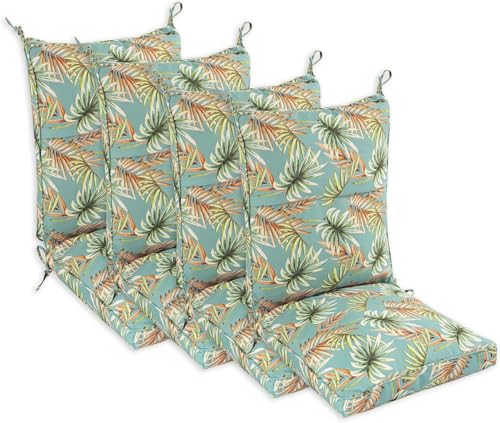
Outdoor Dining Chair Replacement Cushions: The Complete Guide
Bring worn patio seating back to life with cushions that fit properly, hold up outdoors, and look great season after season. This guide covers sizing, fabrics, attachment styles, and long-term care so you can choose with confidence.
Start With the Buying ChecklistWhy replacement cushions matter: A dining chair frame often outlasts its cushion by years. Replacing only the cushion is one of the most efficient ways to refresh an outdoor dining set—provided the new cushion fits the seat correctly and uses fabric rated for sun, rain, and daily use.
Why Replace the Cushions Instead of the Chairs
Outdoor dining chairs are built around rigid frames—aluminum, steel, teak, wicker, or resin. Those frames typically survive many seasons with basic care. Cushions, by contrast, absorb the daily wear: UV exposure, rain, spilled drinks, and constant compression. When the filling flattens and the fabric fades, the chair looks tired even though its structure is sound.
Replacement cushions offer several practical advantages:
- Cost-efficient refresh: Replacing cushions is far more efficient in the long run than buying an entirely new dining set.
- Design flexibility: A new cushion color or texture can update the whole patio without changing the furniture footprint.
- Comfort upgrade: Mid-range and premium replacement cushions often use denser foam or layered fills that outperform the original stock cushions.
- Environmental sense: Keeping serviceable frames out of waste streams is a sustainable choice.
If your chair frames are stable, rust-free, and comfortable in height, replacement cushions are the logical next step. If you are still evaluating the broader seating arrangement, our outdoor cushion guide explains how cushions fit into a complete patio setup.
Step 1: Measure Your Chair Seat Accurately
Fit is the single biggest reason replacement cushions disappoint. A cushion that is slightly too deep will overhang the seat front; one that is too narrow will slide. Measure before you shop and write the numbers down.
- Seat width: Measure across the widest point of the seat, from side rail to side rail.
- Seat depth: Measure from the front edge to the backrest, following the seat surface.
- Seat thickness: Note the thickness of the original cushion or the thickness that still allows comfortable leg clearance under the table.
- Arm clearance: If your chair has arms, measure the distance between them, since the cushion must pass through that gap.
- Back height (if applicable): Some dining chairs use a two-piece seat-and-back cushion set. Measure the backrest height and width separately.
For chairs with distinct seat shapes, such as curved or rounded dining seats, note the shape in your measurements. Many replacement cushions are offered in square, rounded-square, and contoured profiles, and the profile should match the seat pan rather than the frame silhouette.
Step 2: Choose a Fabric Built for the Outdoors
The fabric determines how the cushion ages. Indoor upholstery fabric will fade, mildew, and stain quickly outdoors, no matter how well it is treated. Prioritize fabrics explicitly engineered for exterior use.
- Solution-dyed acrylic: The gold standard for outdoor cushions. Color is infused into the fiber rather than applied to the surface, so it resists fading and holds up to repeated cleaning.
- Treated polyester: A practical mid-range option. It is lightweight, quick-drying, and widely available, though it may show fading sooner than acrylic in intense sun.
- Olefin: Moisture-resistant and resilient, often used in entry-level to mid-tier cushions. It handles humidity well but can feel less refined than acrylic.
- Performance blends: Premium cushions sometimes combine acrylic with polyurethane coatings for added water repellency. These tend to be the top-tier choice for uncovered patios.
Look for cushions with removable, machine-washable covers and zippered closures. A water-repellent finish is helpful, but breathability matters too—cushions that trap moisture inside can develop mildew even if the surface sheds water. Our materials guide compares outdoor fabric families in more depth.
If your dining chairs are used alongside loungers or accent seating, our guide to outdoor cushions covers how to coordinate fabrics and fills across different furniture types.
Step 3: Understand Cushion Fill and Support
Outdoor dining chairs are used for sitting upright at a table, so the ideal fill is supportive rather than plush. Too-soft filling compresses quickly and leaves you sitting on the chair frame.
| Tier | Typical Fill | Best For | Durability Notes |
|---|---|---|---|
| Entry-level | Single-layer polyurethane foam or polyester fiber | Occasional use, covered patios | May flatten within a season or two of frequent use |
| Mid-range | Higher-density foam with a fiber wrap | Daily family dining | Better shape retention and a more tailored look |
| Premium | Layered foam with a memory-foam or gel-infused top | Long meals and frequent entertaining | Retains loft longer and distributes weight more evenly |
| Luxury / top-tier | Multi-layer engineered foam with moisture-wicking channels | Uncovered or high-exposure patios | Commercial-grade resilience with quick-drying properties |
Quick-drying foam is worth prioritizing if your dining area is exposed to rain. Standard foam can hold water for hours; open-cell and reticulated foams drain and dry much faster. For chairs that stay outside year-round, a waterproof outdoor furniture cushion is the safer choice.
Step 4: Pick the Right Attachment Style
Cushions that slide forward as you sit are a daily annoyance. Attachment style solves this problem, and the right choice depends on your chair frame.
- Corner ties: The classic solution for dining chairs with legs or rails. Ties loop around the frame and knot securely. Best for chairs without solid seat pans.
- Straps with buckles or hook-and-loop closures: Common on cushions designed for slatted or open-frame chairs. Easier to adjust than knots.
- Non-slip backing: A textured underside grips smooth resin, metal, or composite seats. Often combined with ties for extra stability.
- Elastic bands: A lower-profile option for compact bistro chairs, though less secure on larger seats.
If your dining chairs are part of a larger seating arrangement that includes rocking or accent chairs, matching attachment hardware makes it easier to swap cushions between pieces. Our guide to waterproof outdoor rocking chair cushions explains how tie systems adapt to different frame designs.
The Replacement Cushion Buying Checklist
Before you finalize a purchase, run through this checklist. It covers the details that separate a cushion that lasts from one that looks worn by midsummer.
- Exact seat dimensions: Width, depth, thickness, and arm clearance recorded.
- Seat profile: Square, rounded, contoured, or two-piece set.
- Fabric rating: Solution-dyed acrylic or treated polyester with a stated UV and mildew resistance.
- Fill type: Dense foam with a fiber wrap for dining chairs; quick-dry foam for exposed patios.
- Attachment: Ties, straps, or non-slip backing that match your frame.
- Cover care: Removable, washable cover with a zipper closure.
- Colorfastness: A fabric that holds color under direct sun without needing seasonal replacement.
- Return policy: Confirmation that cushions can be returned if the fit is wrong.
For readers assembling a complete outdoor dining setup, our outdoor dining set buying guide explains how cushions interact with table height, chair spacing, and umbrella clearance.
Caring for Replacement Cushions So They Last
Outdoor cushions are an investment in comfort, and a simple care routine extends their service life considerably.
- Brush off debris weekly: Leaves and pollen trap moisture against the fabric.
- Spot clean promptly: Blot spills with a damp cloth and mild soap; avoid harsh bleach unless the fabric label permits it.
- Dry thoroughly: Stand cushions on edge after rain so water drains and air circulates.
- Store during off-season: Use a cushion storage solution or a water-resistant outdoor storage cabinet to keep cushions dry and pest-free.
- Cover when not in use: A waterproof outdoor furniture cover protects both cushions and frames during storms.
If cushions develop a musty smell after heavy rain, remove the covers and let both the fabric and foam dry in shade—direct sun can degrade foam over time. Persistent mildew usually signals that moisture is trapped inside the fill, which is a sign to consider replacing the cushion rather than cleaning it again.
Replacement cushions are also a good opportunity to check the chairs themselves. Loose joints, rust spots, or wobbly legs are easier to address before new cushions go on. Our weather-resistant outdoor bench guide covers frame maintenance principles that apply to dining chairs as well.
Frequently Asked Questions
How do I measure my outdoor dining chair for replacement cushions?
Measure the seat width at its widest point, the seat depth from front edge to back, and the thickness you prefer. Also note armrest clearance if your chair has arms. Record all measurements before shopping and compare them against the cushion specifications.
What fabric is best for outdoor dining chair replacement cushions?
Solution-dyed acrylic is the most reliable choice for colorfastness and moisture resistance. Treated polyester and olefin are solid mid-range options. Look for removable, washable covers and a water-repellent finish combined with breathable construction.
Should replacement cushions have ties or straps?
Ties and straps keep cushions anchored on windy days and prevent sliding on smooth metal or resin seats. For dining chairs used regularly, tie-on cushions are generally the most practical choice. Non-slip backing is a good complement.
How often should outdoor dining chair cushions be replaced?
Quality outdoor cushions last several seasons with proper care. Replace them when the filling loses loft, the fabric shows persistent staining or mildew, seams fail, or the cushion no longer fits securely on the seat.
Can I use indoor cushions on outdoor dining chairs?
It is not recommended. Indoor fabrics and fills are not engineered for UV exposure or moisture, and they deteriorate quickly outdoors. Use cushions explicitly rated for exterior use.
Do replacement cushions fit all dining chairs?
No—cushion dimensions vary widely between manufacturers. Always compare your measured seat dimensions with the cushion's listed specifications, and check the return policy in case the fit is not right.
Refresh Your Dining Set With Confidence
Replacement cushions are one of the simplest upgrades in outdoor furniture. With accurate measurements, a weather-rated fabric, and an attachment style that suits your chairs, a tired dining set can look and feel new again. Start with the checklist above, then compare options below—each one is selected for outdoor dining use.