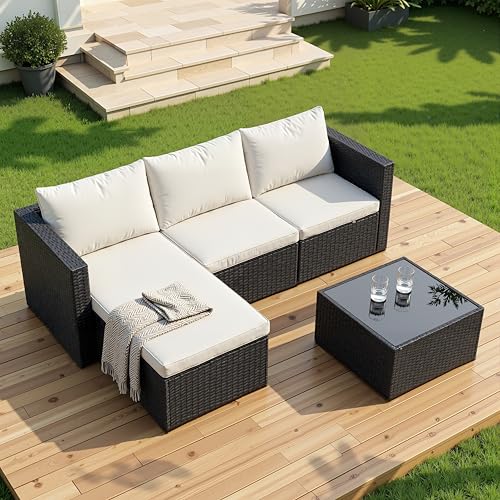
Outdoor Couch Buying Guide: Find Your Perfect Patio Sofa
Everything you need to compare frames, fabrics, cushion systems, and seating layouts before you choose an outdoor couch for your backyard, deck, or balcony.
Start the GuideWhy this guide matters: An outdoor couch is one of the largest and most-used pieces in any patio setup. It anchors the seating area, sets the visual tone, and must survive sun, rain, and seasonal shifts. This guide walks you through the decisions that actually affect comfort and longevity so you can buy with confidence.
What Defines a True Outdoor Couch?
An outdoor couch, often called a patio sofa, is a deep-seated piece engineered for exterior conditions. Unlike indoor sofas, it uses weather-resistant frames, drainage-friendly cushion cores, and fabrics rated for UV exposure and moisture. The category spans compact loveseats, full three-seat sofas, and modular sectionals that can be reconfigured as your space evolves.
Most buyers arrive already knowing they want a sofa rather than individual chairs. The real decision is about construction quality, cushion comfort, and how the piece fits the footprint of the patio. If you are still exploring seating formats, the broader collection of outdoor conversation sets shows how sofas combine with chairs and tables into complete arrangements.
Frame Materials: The Backbone of Durability
The frame determines how long the couch holds its shape and how much maintenance it demands. Each material sits in a different tier of the market, and the right choice depends on your climate and willingness to care for the piece.
Powder-Coated Aluminum
Aluminum is the most common frame for mid-range and premium outdoor couches because it is lightweight, rust-proof, and does not warp. A powder-coated finish adds scratch resistance and color stability. Look for fully welded joints rather than self-tapping screws, which loosen over time.
HDPE Wicker and Rattan
High-density polyethylene wicker woven over an aluminum frame delivers the classic woven look with strong weather resistance. Entry-level wicker can fade or crack under intense UV, while premium HDPE weaves hold color for many seasons. Cushion fit matters here, so check our cushion sets for wicker furniture guide to match profiles correctly.
Teak and Hardwood
Teak, cedar, and eucalyptus offer natural warmth and exceptional longevity when sealed annually. Wood frames are heavier and require periodic oiling, but they age gracefully and suit rustic or coastal designs. Avoid softwoods that splinter and rot quickly.
Steel and Wrought Iron
Steel provides a solid, heavy feel and supports ornate designs, but it must have a rust-proof finish. Chipped paint becomes a corrosion point, so touch up any damage promptly. These frames suit traditional and formal patios.
Market Tiers at a Glance
Use this classification to set expectations for construction and materials. Each tier represents a position in the market rather than a specific figure.
| Tier | Typical Construction | Best For |
|---|---|---|
| Entry-level | Lightweight aluminum or resin frame, basic polyester cushions, simpler joinery | Seasonal use, covered porches, first patio setup |
| Mid-range | Welded aluminum or HDPE wicker, quick-dry foam, solution-dyed fabric | Year-round patios in moderate climates, everyday family use |
| Premium | Heavy-gauge aluminum or teak, high-resilience foam, acrylic fabric, reinforced frames | Full-sun exposure, frequent entertaining, long-term investment |
| Luxury / commercial-grade | Marine-grade hardware, custom joinery, performance fabrics with extended warranties | Hospitality settings, coastal exposure, designer installations |
Cushions and Fabric: Where Comfort Lives
The cushion system separates a couch you tolerate from one you use daily. Three layers matter: the core foam, the wrap, and the cover fabric.
- Core foam: High-resilience (HR) foam retains shape; quick-dry reticulated foam drains water and resists mildew.
- Wrap: A fiber or memory-foam wrap softens the seat and reduces pressure points.
- Cover fabric: Solution-dyed acrylic and olefin resist fading and moisture; polyester is common at entry level but fades faster.
Removable, zippered covers simplify cleaning and replacement. If your couch is exposed to rain, plan for storage or a breathable cover. Our outdoor cushion guide explains fill types and care routines in detail, and the outdoor couch cushions collection covers replacement sizing. For full replacement projects, deep seating replacement cushion covers are a practical upgrade path.
Sizing and Layout: Fit the Space First
Measure before you fall in love with a design. Record the length, depth, and height of the patio, then subtract at least 18 inches of walking clearance around the couch. Confirm doorway and gate widths for delivery, and check whether stairs or tight corners will block a large frame.
Standard guidance for seating capacity:
- Loveseat: two adults comfortably, ideal for balconies and small decks.
- Three-seat sofa: the most versatile size for typical patios.
- Sectional or modular: best for large decks and open lawns; confirm modular connectors if you plan to reconfigure.
For tight footprints, outdoor conversation sets for small spaces show how compact sofas pair with nesting tables. If you want a sofa plus dining surface, conversation sets with a dining table cover that hybrid layout.
Climate, Placement, and Seasonal Care
Where the couch sits matters as much as what it is made of. Full sun accelerates fading, so choose solution-dyed fabrics and UV-stable frames. Covered porches reduce weather exposure and extend cushion life. Coastal areas demand marine-grade hardware and frequent rinsing to remove salt residue.
Seasonal routines protect your investment:
- Brush off debris weekly and rinse frames monthly.
- Bring cushions inside during prolonged rain or winter storage.
- Use breathable covers rather than airtight plastic, which traps moisture.
- Touch up paint chips on steel and aluminum immediately.
- Re-oil wood frames annually before the wet season.
If your patio is partially covered, an outdoor covered couch setup and covered patio planning guide help you maximize that protection.
Matching the Couch to Your Patio Style
Style decisions are easier once function is settled. Modern patios favor low-profile aluminum frames with neutral cushions. Coastal spaces lean toward white or sand-toned wicker with striped accents. Rustic and farmhouse designs pair wood frames with textured, earthy fabrics. Bohemian layouts mix woven textures and layered rugs.
Consider how the couch relates to surrounding pieces. A sofa that anchors a fire pit arrangement feels different from one paired with a dining table. Our guides on conversation sets with a fire pit table and sets with swivel chairs illustrate these pairings. For a relaxed, Southern-style layout, conversation sets with rocking chairs add motion without breaking the seating circle.
A Practical Shopping Checklist
Bring this list to any product page or showroom to evaluate an outdoor couch systematically:
- Frame material, gauge, and joint construction (welded vs. bolted).
- Finish type: powder coat, anodized, painted, or oiled.
- Cushion core foam density and drainage design.
- Fabric composition and UV rating.
- Removable, washable covers with zippers.
- Overall dimensions plus seat height and depth.
- Weight capacity and warranty terms.
- Assembly requirements and included hardware.
- Availability of replacement cushions and covers.
Replacement availability is a strong signal of long-term support. Brands that sell individual replacement cushions and covers make it far easier to refresh the couch years later instead of replacing the entire frame.
Frequently Asked Questions
What is the best material for an outdoor couch?
Powder-coated aluminum and high-grade HDPE wicker offer the best balance of durability, low maintenance, and weather resistance. Teak and cedar are excellent natural options if you prefer wood and are willing to apply periodic sealant.
How do I measure for an outdoor couch?
Measure the available length, depth, and height of your patio area, then subtract at least 18 inches of clearance on all walkways. Account for the couch footprint plus any recline or swivel motion, and confirm doorway widths before ordering.
Can outdoor couch cushions stay outside in the rain?
Quick-dry foam cores wrapped in solution-dyed acrylic or olefin covers resist light rain and dry fast. For prolonged storms, bring cushions inside or use a breathable cover to prevent mold and mildew.
How long does an outdoor couch typically last?
Entry-level couches generally last a few seasons with care. Mid-range frames often last five to seven years, while premium aluminum, teak, and commercial-grade builds can exceed a decade when maintained properly.
Do I need a cover for my outdoor couch?
A breathable cover protects against rain, pollen, and UV when the couch is not in use, especially in uncovered spaces. Choose a cover with vents to prevent condensation and always dry the frame before covering.