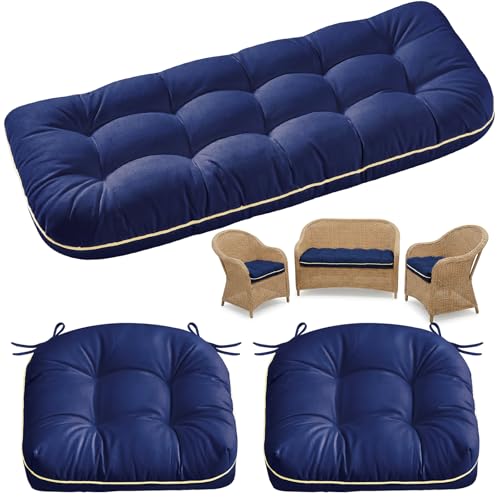
Outdoor Cushion Sets for Wicker Furniture
Everything you need to know about choosing, fitting, and caring for cushion sets designed specifically for wicker patio furniture. Make your outdoor seating comfortable, durable, and beautiful.
START READINGWicker furniture has a timeless, textured charm that instantly warms up any patio, porch, or sunroom. But the frame is only half the story — the cushion set you pair with it determines how comfortable your seating actually feels. Whether you own a resin wicker sofa, a rattan sectional, or a natural willow armchair, the right outdoor cushion set transforms a decorative piece into a place where you genuinely want to spend hours relaxing.
This guide walks you through the practical details: measuring for a proper fit, understanding cushion materials and construction, comparing tier options, and maintaining your cushions so they look great season after season. By the end, you will be ready to choose a cushion set with confidence — and you can explore our curated product picks below.
Why Wicker Furniture Needs the Right Cushion Set
Wicker frames — whether made from natural rattan, willow, or synthetic resin — have a woven surface that is firm and textured. Without cushions, these pieces are fine for short sits but not for lingering. The weave also creates small gaps that can trap moisture and debris, which is exactly why cushion selection matters more than many homeowners realize.
A well-matched cushion set does three things: it distributes weight evenly so the woven seat does not dig into you, it protects the frame surface from friction and dirt, and it introduces the color and fabric that tie your outdoor design together. Because wicker frames come in many shapes and seat depths, a generic cushion often looks slightly off. A set designed or sized for wicker furniture fits more cleanly and stays in place better.
Measure First: Getting the Fit Right
Fit is the single most important factor when buying cushion sets for wicker furniture. A cushion that is too small slides around; one that is too large bunches at the seams and wears out faster. Before you shop, measure the seat width, seat depth, and back height of each piece. For deep-seating wicker sofas, note whether the seat is flat or slightly contoured, because contoured seats need thicker cushion cores to fill the curve.
Seat Cushions
Measure from the inside edge of one arm to the other, then from the front edge to the backrest. Add about 1 inch of tolerance so the cushion fills the seat without bulging.
Back Cushions
Measure the height from the seat surface to the top of the backrest, and the width between the arms. Back cushions are usually thinner and softer than seat cushions.
Corner & Sectional Units
Curved and corner wicker pieces often require shaped cushions. Look for sets that include wedge or rounded corner pieces rather than forcing rectangular cushions into a curve.
If you are replacing cushions on an existing set, bring the old cushion measurements with you — or better, take photos of the frame with a tape measure visible. For a deeper dive into sizing and foam types, our outdoor cushion guide covers the technical side in detail.
Materials That Hold Up Outdoors
Outdoor cushions live a harder life than indoor ones. Sun, rain, humidity, and temperature swings all take a toll. The fabrics and fills used in a cushion set determine how long it stays comfortable and how easy it is to clean.
Fabric Options
- Solution-dyed acrylic: The gold standard for outdoor upholstery. Color is locked into the fiber, so it resists fading and holds up to repeated cleaning. Look for this in mid-range and premium sets.
- Polyester blends: Common in entry-level sets. They are lightweight and dry quickly but may fade faster under intense sun.
- Olefin: A durable synthetic that resists moisture and mildew well; often found in balanced-tier cushion sets.
- Performance weaves with water-repellent finish: Increasingly common in top-tier sets; water beads on the surface and rolls off.
Fill and Core Construction
- Polyurethane foam: The most common seat core. Higher-density foam (measured in ILD) holds shape longer and resists bottoming out.
- Foam wrapped in fiber: Adds softness on top of a firm core — a good balance for wicker sofas.
- Quick-dry reticulated foam: Open-cell foam that lets water pass through. Excellent for uncovered patios and rainy climates.
- Polyester fiber fill: Softer and lighter, typically used for back cushions rather than seats.
If your wicker furniture sits in a covered area, standard foam cores are fine. For open decks and uncovered patios, prioritize quick-dry foam and solution-dyed acrylic covers. Our guide to waterproof outdoor cushion covers explains how cover construction affects real-world performance.
Comparing Cushion Set Tiers
Outdoor cushion sets fall into fairly clear quality tiers. Rather than focusing on numbers, think about how each tier performs in terms of fabric lifespan, foam resilience, and seam construction.
| Tier | Best For | Typical Characteristics |
|---|---|---|
| Entry-level | Covered porches, seasonal use, budget-conscious refreshes | Polyester blend covers, standard foam cores, basic zippers, fewer size options |
| Mid-range | Year-round use on covered patios, family seating | Solution-dyed acrylic or olefin, higher-density foam, reinforced seams, more size variety |
| Premium | Uncovered patios, high-sun climates, daily use | Performance fabrics with water-repellent finish, quick-dry foam, piped edges, tailored fit for wicker frames |
| Luxury / commercial-grade | Hospitality settings, full-sun exposure, long-term investment | Heavy-duty solution-dyed fabrics, multi-layer foam cores, replaceable covers, custom-fit for specific wicker collections |
Mid-range sets usually deliver the best balance for residential wicker furniture: durable enough for real outdoor life without the flagship-tier positioning. If your wicker set is a long-term investment piece, premium or luxury cushion sets protect that investment and keep the furniture looking intentional.
Matching Cushions to Your Wicker Style
Wicker comes in a wide range of tones and weaves, and the cushion set should complement rather than compete. Natural rattan and honey-toned resin wicker pair beautifully with warm neutrals, soft greens, and terracotta accents. Dark espresso or black wicker frames create a strong contrast with cream, sand, or light gray cushions. Whitewashed wicker opens the door to coastal blues and muted stripes.
Texture matters too. A chunky, open weave looks best with smooth, tightly woven cushion fabrics, while a fine, tight wicker weave can handle a slightly textured or patterned cushion. If you are refreshing a full seating group, consider whether you want a uniform look across the sofa, chairs, and ottoman or a mix of solid and patterned pieces. Many cushion sets sold for wicker furniture are designed as coordinated collections, which simplifies this decision.
For a broader look at pairing cushions with different patio furniture types, browse our collection of outdoor cushions and the outdoor couch cushions section for sofa-specific options.
Caring for Wicker Cushion Sets
Even the best cushion set needs routine care to stay fresh. Wicker frames themselves are relatively low-maintenance, but cushions collect pollen, dust, and moisture. A simple routine keeps them looking new and extends their usable life.
Weekly
Brush off loose debris and shake out back cushions. Wipe seat cushions with a damp cloth to remove pollen and dust before it settles into the weave of the fabric.
Monthly
Remove covers if they are removable and spot-clean with mild soap and water. Check seams and zippers for early signs of wear. Rotate seat cushions to distribute wear evenly.
Seasonally
Deep-clean according to the fabric care label. Before the rainy or cold season, store cushions in a dry place or use a breathable cover. Avoid sealed plastic, which traps moisture.
When cushions are not in use, store them in a cushion storage box or a dry indoor closet. For a full seasonal checklist, see our outdoor cushion storage guide. If your cushions are showing their age, replacement covers are often the most efficient fix — see outdoor cushion covers for patio furniture for options.
Replacement Cushions vs. a Full New Set
If your wicker frames are in good shape but the cushions are flat, faded, or torn, replacement cushions are usually the smarter path. You keep the furniture you already like and simply refresh the comfort layer. When shopping for replacements, confirm that the set includes both seat and back cushions in the correct dimensions — many wicker sofas need a coordinated pair.
A full new cushion set makes sense when you want to change the color scheme, upgrade the fabric tier, or when the existing cushions have lost their structure entirely. If you are switching from an entry-level set to a mid-range or premium set, expect noticeably better foam recovery and fabric color retention. For more replacement-specific guidance, see outdoor dining replacement cushions and the broader outdoor cushions for patio furniture selection.
Ready to compare options? Our curated product picks below are filtered for wicker furniture compatibility. Explore cushion sets by tier, fabric type, and size to find the best match for your patio seating.
Frequently Asked Questions
How do I know which cushion size fits my wicker sofa?
Measure the seat width between the arms and the seat depth from front edge to backrest. Add roughly one inch of tolerance. For contoured wicker seats, choose a thicker cushion core so the cushion does not sink into the curve.
Can I use standard patio cushions on wicker furniture?
You can, but the fit is often imperfect. Wicker frames tend to have specific seat depths and arm heights. Cushion sets designed for wicker furniture — or at least sized to your measurements — stay in place better and look more tailored.
Are cushion sets for wicker furniture waterproof?
Most outdoor cushion fabrics are water-resistant rather than fully waterproof. Solution-dyed acrylic and olefin resist moisture well, and quick-dry foam cores let water pass through. For uncovered patios, pair water-resistant covers with quick-dry cores and store cushions during heavy rain.
How often should I replace wicker furniture cushions?
With regular care, a mid-range or premium set can last several seasons. Entry-level sets may need replacement sooner if exposed to full sun and rain. Rotate cushions, clean them regularly, and store them during off-season to extend their life.