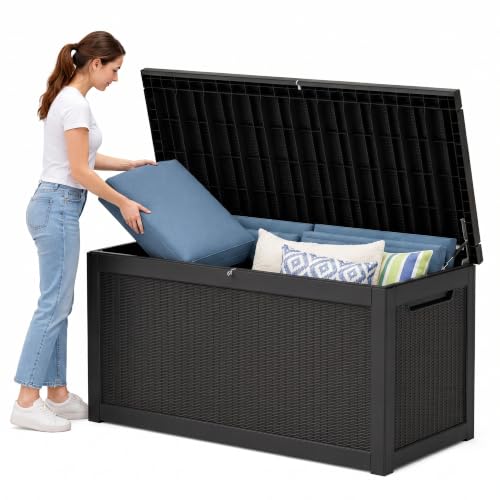
Outdoor Cushion Storage Box: The Complete Protection Guide
Patio cushions are among the hardest-working items in any outdoor space. This guide explains how an outdoor cushion storage box keeps them dry, clean, and ready to use, and how to pick the right deck box for your setup.
Explore Buying FactorsIf you have invested in comfortable seating, you already know the daily routine: stack the cushions, carry them inside, and repeat the next morning. An outdoor cushion storage box removes that chore. A well-chosen box keeps moisture, UV rays, pollen, and pests away from your fabric while keeping cushions close at hand.
But not all storage boxes are equal. Resin deck boxes, metal chests, and wooden benches each handle weather differently. This page walks you through the practical details — sizing, materials, placement, and cushion care — so you can make a confident decision. If you are still comparing general options, our broader guide to outdoor cushion storage covers additional ideas beyond the classic box format.
Why an Outdoor Cushion Storage Box Matters
Outdoor fabrics are engineered to resist fading and moisture, but they are not indestructible. Repeated exposure to rain, dew, and direct sun gradually breaks down fibers and foam. A dedicated storage box solves several problems at once:
- Moisture protection: Cushions that stay damp develop mildew and odors. A sealed box keeps dew and rain off the fabric.
- UV protection: Sunlight fades dyes and weakens stitching. Storing cushions when not in use extends their usable life.
- Cleanliness: Pollen, bird droppings, and dust are far easier to avoid than to remove from deep seams.
- Convenience: Having cushions within arm's reach makes spontaneous outdoor time far more likely.
- Pest control: A closed box discourages nesting insects and rodents that otherwise burrow into foam.
For households with deep-seating sofas or large sectionals, storage capacity becomes especially important. The many cushions on a full outdoor couch can be difficult to manage without a dedicated container. A storage box turns that pile into an organized, protected stack.
Key Buying Factors for an Outdoor Cushion Storage Box
Before comparing brands, define what the box must do in your space. The following factors matter most in everyday use.
1. Weather Resistance and Sealing
Look for a lid that overlaps the body and includes a gasket or seal. Raised feet or a recessed base keep the bottom of the box off wet surfaces. Water-resistant resin is the most forgiving material for year-round outdoor exposure, while metal boxes need a rust-proof finish to hold up over time.
2. Ventilation Balance
A fully sealed box protects from rain but can trap humidity after a humid day. Many mid-range and premium boxes include small vented panels or a slightly raised lid profile that allows air exchange without letting water in. This balance matters more than raw thickness.
3. Lid Strength and Seating
Many deck boxes double as a bench or side table. Check the stated weight capacity if you plan to sit on the lid. Heavy-duty lids use reinforced ribbing underneath; entry-level boxes often flex under weight.
4. Access and Hinge Quality
Hinges should be stainless or coated to resist corrosion. A lid that stays open on its own makes loading cushions much easier. Some top-tier models include gas struts, which are especially helpful on larger chests.
5. Security and Latching
If the box sits in an open yard, a simple latch or lock loop adds peace of mind. Latching also keeps the lid from lifting in high wind.
Material Comparison: Resin, Metal, Wood, and Fabric
The material you choose shapes durability, maintenance, and how the box fits your patio style. The table below uses tier descriptors rather than absolute figures, since the same material can span entry-level to luxury depending on construction.
| Material | Typical Tier | Best For | Key Considerations |
|---|---|---|---|
| Resin / heavy-duty plastic | Entry-level to mid-range | Everyday patio use, rainy climates | Low maintenance, rust-proof, color may fade over years |
| Powder-coated steel or aluminum | Mid-range to premium | Sleek modern decks, locked storage | Check for rust-proof finish; heavier to move |
| Wood (teak, acacia, cedar) | Premium to luxury | Rustic or natural design themes | Needs periodic sealing; beautiful as a bench |
| Fabric or soft-sided | Starter tier | Small spaces, seasonal use | Lightweight; best for covered porches only |
For most homeowners, a mid-range resin box offers the best balance of protection, weight, and low upkeep. If your patio design leans toward natural materials, a sealed wooden bench box can serve as both storage and seating. Whichever material you choose, confirm the finish is described as weather-resistant or rust-proof rather than simply "outdoor."
Sizing and Capacity: Getting the Dimensions Right
The most common mistake is buying a box that is too small. Cushions do not compress neatly; seat cushions for deep seating are often thicker than expected. Follow this process:
- Stack your cushions the way you would store them. Use the actual stack, not a single cushion, for measurement.
- Measure height, width, and depth of the stack. Add two to four inches of clearance in each direction so cushions slide in without forcing seams.
- Measure the box interior, not the exterior. Exterior dimensions often include lids and feet that reduce usable space.
- Check the lid swing — you need room behind or beside the box for the lid to open fully.
Large sectional owners often need two boxes or one oversized chest. If you have a mix of seat cushions, back cushions, and throw pillows, separate the stack: heavy seat cushions on the bottom, lighter back cushions on top. For coordinated cushion sets, our guide to outdoor cushion sets for wicker furniture explains how standard sizes compare, which helps you estimate total storage volume.
Practical tip: If your cushions fit tightly in a box, air cannot circulate and the fabric may stay damp after a humid night. Choose a box slightly larger than the minimum, or add a small vented gap at the top of the stack.
Placement, Drainage, and Everyday Use
Where the box sits matters as much as how it is built. Water pooling around the base is the leading cause of damp cushions inside an otherwise sound box.
- Elevate the base: Place the box on a patio, deck, or concrete pad rather than directly on soil or grass.
- Avoid low spots: Check for puddles after rain and relocate the box if water gathers.
- Keep a gap from walls: A few inches of clearance allows air to move and prevents trapped moisture behind the box.
- Position near seating: The closer the box sits to where cushions are used, the more likely you are to store them daily.
- Consider sun exposure: Even weather-resistant materials last longer in partial shade. A covered patio is ideal for long-term placement.
A box used as a bench should sit on a level surface to prevent stress on the lid and hinges. For families who frequently move cushions between seating areas, a lighter resin box on casters can be more practical than a fixed wooden bench.
Cushion Care Before and After Storage
Even a well-built box cannot compensate for cushions put away wet. A simple care routine preserves both fabric and foam.
Before storing
- Brush off loose dirt and pollen.
- Spot clean stains with a mild soap solution and rinse thoroughly.
- Air-dry completely in the shade before placing cushions in the box.
- Check seams and zippers for damage; small tears grow quickly when fabric is stored under pressure.
Inside the box
- Keep heavier seat cushions at the bottom.
- Leave a small gap or use vented panels so air can circulate.
- Add a moisture-absorbing pack in humid climates, and replace it regularly.
- Wipe the interior every few weeks to remove dust and any signs of mildew.
Seasonal storage
For winter or long absences, clean and dry cushions thoroughly, store them in the box with breathable covers, and move the box to a sheltered spot. If your cushions are nearing the end of their life, replacing them before storage is often smarter than protecting worn foam. Our outdoor cushion guide explains how to evaluate fabric and foam quality, while waterproof cushion covers offer an extra layer for cushions that stay out longer.
Buying Checklist: Outdoor Cushion Storage Box
- Interior dimensions at least a few inches larger than your measured cushion stack
- Overlapping lid with a gasket or seal
- Raised base or feet to keep the bottom dry
- Weather-resistant or rust-proof finish
- Stainless or coated hinges that hold the lid open
- Weight capacity suitable for sitting, if you plan to use it as a bench
- Latch or lock loop for wind and security
- Placement on a patio or deck, not directly on soil
- Size that matches the number of cushions you actually store daily
Frequently Asked Questions
What size outdoor cushion storage box do I need?
Measure your folded or stacked cushions first, then choose a box with interior dimensions slightly larger than the stack. Allow a few inches of clearance so cushions slide in and out easily without compressing seams.
Are deck boxes truly weatherproof?
Most resin and heavy-duty plastic deck boxes are water-resistant rather than fully waterproof. Look for sealed lids, gasketed edges, and raised bases, and place the box on a patio or deck rather than directly on soil.
Can I store cushions in a deck box year-round?
For short-term storage, a deck box is ideal. For long winter storage, clean and fully dry the cushions, use breathable covers or desiccant packs, and store the box in a sheltered spot away from standing water.
How do I stop mold inside a cushion storage box?
Only store dry cushions, ventilate the box on dry days, add moisture-absorbing packs, and wipe down the interior regularly. Avoid sealing damp cushions inside, as trapped humidity encourages mildew.
Final Thoughts
An outdoor cushion storage box is one of the simplest upgrades you can make to a patio routine. It protects the cushions you already own, makes daily setup faster, and can double as seating or a side surface. Focus on interior dimensions, lid sealing, and placement — those three details determine whether a box works in real weather. Once storage is solved, you can spend your time enjoying the space rather than managing it.