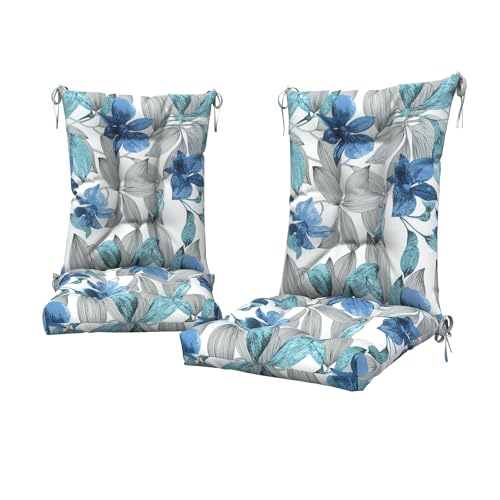
Weather Resistant Outdoor Rocker Chair Cushion: A Complete Buying Guide
Everything you need to know about choosing, sizing, and caring for a rocker chair cushion that holds up to sun, rain, and everyday use.
Why Weather Resistance Matters for Rocker Chair Cushions
Rocking chairs sit in a uniquely exposed position. Unlike a dining chair tucked under a table, a rocker is usually placed out in the open — on a porch, a deck, or a lawn — where it receives direct sun, wind-driven rain, morning dew, and seasonal temperature swings. Standard indoor cushions absorb moisture, which leads to mildew, compressed fill, and fabric breakdown within a single wet season. A genuinely weather resistant outdoor rocker chair cushion is engineered from the inside out to resist those forces.
The difference shows up in three areas: the shell fabric, the interior fill, and the construction details. Solution-dyed acrylic and olefin fibers hold color at the molecular level, so UV exposure does not bleach them the way it does surface-dyed cotton or polyester. Open-cell foam and polyester fiberfill dry quickly and resist clumping when damp. Sealed or bound seams prevent water from wicking into the core. Together, these features determine how the cushion performs through repeated exposure — and how long it remains comfortable.
Fabric Technologies That Deliver Real Weather Resistance
The outer fabric is your cushion's first line of defense. Several material families dominate the market, each with distinct strengths. Understanding them helps you match the cushion to your climate and usage pattern.
Solution-Dyed Acrylic
Acrylic fibers dyed before spinning are the benchmark for outdoor textiles. The color runs through the entire fiber, so fading is minimal even after years of sun exposure. Acrylic also resists moisture absorption and dries relatively quickly. It feels softer than many synthetic alternatives, which matters for a cushion you will sit on in shorts or swimwear. For a rocker cushion that stays on an open deck, solution-dyed acrylic is a top-tier choice.
Olefin (Polypropylene)
Olefin is a mid-range workhorse fabric. It is inherently water-repellent, resistant to mildew, and colorfast when solution-dyed. It is not as soft as acrylic, but it is durable and holds up well to abrasion from the rocking motion. Many well-specified weather resistant outdoor furniture cushions use olefin blends to balance comfort and resilience.
Polyester with Water-Repellent Finish
Treated polyester occupies the entry-level and mid-tier segments. A water-repellent coating helps moisture bead and roll off, and the fabric is durable enough for casual use. The limitation is UV resistance: standard polyester fades faster than acrylic unless it carries a specific UV-stabilized treatment. If your rocker sits under a roof or awning, treated polyester can be a sensible, well-specified option for its class.
Specialty Outdoor Blends
Some premium cushions combine acrylic with recycled fibers or add antimicrobial treatments. These features are worth noting if you live in a humid climate where mildew pressure is high. The weather resistant fabric for outdoor cushions overview covers these blends in more depth if you want to compare fiber-level performance.
Solution-Dyed Acrylic
Best-in-class UV and moisture resistance. Soft hand feel. Ideal for fully exposed decks and sunny climates.
Olefin / Polypropylene
Inherently water-repellent and mildew-resistant. Firm texture. Good durability for active rocking chairs.
Treated Polyester
Water-repellent finish with decent durability. Best under cover where direct sun exposure is limited.
Performance Blends
Acrylic-recycled fiber blends with antimicrobial treatment. Suited to humid, mildew-prone environments.
Fill and Core: The Hidden Engine of Comfort
Fabric gets the attention, but the fill determines whether a cushion stays comfortable after a rainstorm. Rocker chairs need a cushion that maintains loft while flexing with the rocking motion — too rigid and it feels like a board; too soft and it compresses into a flat pad.
Open-Cell Foam
Open-cell polyurethane foam allows air and water to pass through rather than trapping them. It dries faster than closed-cell foam and recovers its shape well. Mid-range and premium rocker cushions typically use a medium-density open-cell foam core. A higher-density foam holds up longer under repeated compression, which is why top-tier cushions feel supportive for more seasons.
Polyester Fiberfill
Loose or batting fiberfill gives a softer, plusher feel. It is common in entry-level cushions and in decorative back pads. The trade-off is compression over time — fiberfill settles and needs fluffing. In a rocker cushion, fiberfill works best as a wrap around a foam core rather than as the sole filling.
Hybrid Construction
Many well-made rocker cushions combine a foam core with a fiberfill wrap. This hybrid approach gives the support of foam with the soft surface feel of fiberfill, and it dries reasonably quickly because the foam core is open-cell. When comparing options, hybrid construction is generally a mark of a balanced-tier or better product.
Sizing and Fit: Getting the Measurements Right
A rocker cushion that shifts, bunches, or overhangs looks untidy and wears unevenly. Rocking chairs vary in seat width, seat depth, and backrest height, and many have curved or contoured frames. Accurate measurement is the single most important step before ordering a replacement.
What to Measure
- Seat width: Measure at the widest point of the seat, side rail to side rail.
- Seat depth: Measure from the front edge of the seat to the backrest.
- Backrest height: Measure from the seat surface to the top of the backrest, following any curve.
- Tie-down points: Note whether the chair has pre-drilled holes, slats, or a solid back for attaching ties.
- Contour: Check whether the seat is flat or curved; a contoured seat needs a cushion designed to follow that shape.
Allow for Fabric Flex
Outdoor fabrics have some give, but a cushion that is too tight will strain at the seams and a cushion that is too loose will slide. As a general guide, a cushion should match your measurements within a small tolerance rather than being an exact skin-tight fit. If your rocker has a curved back, look for cushions described as contoured or ergonomic rather than flat.
Attachment Hardware
Ties, elastic bands, or snap attachments keep the cushion in place as the chair rocks. For a rocker specifically, rear ties are important because the back-and-forth motion encourages slippage. Check that the attachment points on the cushion align with your chair's frame. If you are replacing a cushion on an older chair, consider reinforcing or replacing worn ties.
Comparing Cushion Tiers at a Glance
The table below summarizes how cushion tiers typically differ in construction and intended use. The descriptors reflect relative market position and are consistent with the fabric and fill discussion above.
| Tier | Fabric | Fill / Core | Best For |
|---|---|---|---|
| Entry-level | Treated polyester | Fiberfill | Covered porches, light seasonal use |
| Mid-range | Olefin or treated polyester blend | Open-cell foam with fiberfill wrap | Most residential decks and patios |
| Premium | Solution-dyed acrylic | Higher-density open-cell foam | Exposed decks, sunny climates, daily use |
| Top-tier | Solution-dyed acrylic with antimicrobial finish | High-density quick-dry foam with channel design | Full-season exposure, humid environments, long-term use |
Care and Maintenance for Long Service Life
Even the most weather resistant cushion benefits from routine care. A few simple habits dramatically extend the life of the fabric and fill.
Routine Cleaning
Brush off loose dirt and pollen regularly — debris traps moisture against the fabric. For deeper cleaning, use a mild soap solution and a soft brush, rinse thoroughly, and air-dry the cushion upright so water drains away from the core. Avoid harsh bleach unless the manufacturer explicitly allows it. A diluted vinegar solution handles most stubborn stains on solution-dyed fabrics. The weather resistant outdoor furniture cushions guide includes a broader cleaning reference if you maintain multiple cushions.
Seasonal Storage
During prolonged rain or winter, bring the cushion indoors or store it in a dry, ventilated space. If you prefer to keep it outdoors, use a waterproof storage solution. A waterproof outdoor storage box for cushions keeps the pad dry and off the ground, while a waterproof outdoor storage box in a larger size can hold several cushions at once. For porch setups, a waterproof outdoor storage bench doubles as seating and storage.
Protecting the Chair Frame Too
Cushions and frames age together. If your rocker is wood or metal, a cover protects the frame from the same moisture that stresses the cushion. A weatherproof outdoor wicker furniture cover works for wicker rockers, and general weatherproofing practices help extend the life of the whole setup. If you are also refreshing other seating, the weatherproof seat cushions for outdoor furniture reference covers seating beyond the rocker.
Matching the Cushion to Your Rocking Chair Type
Rocking chairs come in several common styles, and the cushion should suit the frame. Wooden rockers with slatted backs need cushions with reliable ties and a shape that does not slip between slats. Wicker and rattan rockers benefit from a cushion that follows the woven contour and does not snag on the weave. Metal rockers often have thinner frames, so a cushion that wraps the seat edge adds comfort without overwhelming the chair's proportions.
If you are still selecting the chair itself, the white rocking chair outdoor and white rocking chair references cover popular frame styles, and the wicker rocking chair guide discusses woven frames. For a broader look at weather-resistant seating materials, the weather resistant outdoor furniture cushions overview is a useful companion read.
Ready to Compare Cushion Options?
Browse our curated selection of weather resistant rocker chair cushions and find the right fit for your patio, porch, or deck.
View Recommended ProductsFrequently Asked Questions
What makes a rocker chair cushion weather resistant?
A weather resistant outdoor rocker chair cushion typically uses solution-dyed acrylic or olefin fabric with a water-repellent finish, quick-drying open-cell foam, and sealed seams. These features resist moisture, UV fading, and mildew while maintaining shape and comfort through seasonal exposure.
How do I measure my rocker chair for a replacement cushion?
Measure the seat width at its widest point, the seat depth from front edge to back, and the backrest height from seat to top. Also note the tie-down points and any contour or curve. Compare these measurements to the cushion specifications and allow a small tolerance for fabric flex.
Can weather resistant cushions stay outside all year?
Many weather resistant cushions tolerate full seasonal exposure, but extended storage during harsh winters or prolonged rain protects the fill and stitching. Using a waterproof storage box or bringing cushions indoors during off-season months extends their service life considerably.
How do I clean a weather resistant rocker chair cushion?
Brush off loose debris, then clean with a mild soap solution and a soft brush. Rinse thoroughly and air-dry upright. Avoid harsh bleach or abrasive cleaners unless the manufacturer specifies them. For stubborn stains, a diluted vinegar solution works well on most solution-dyed fabrics.