Wicker Couch Cushions: The Complete Buying & Care Guide
Everything you need to choose, fit, and maintain cushions that make your wicker seating genuinely comfortable — season after season.
Key Takeaways
- Wicker couch cushions are the single biggest factor in how comfortable your wicker seating feels — the frame is only half the story.
- Fabric quality, foam density, and correct sizing matter more than any decorative detail.
- Weather-resistant covers and quick-dry filling are essential for any cushion that stays outdoors.
- Measuring your wicker frame before shopping prevents the most common (and most frustrating) return scenario.
- Routine care and off-season storage can meaningfully extend the usable life of your cushions.
Why Wicker Couch Cushions Deserve Careful Attention
Wicker furniture has a timeless appeal. The woven texture brings warmth and character to patios, porches, and sunrooms, and it pairs beautifully with almost any design style. But anyone who has spent time on a bare wicker frame knows the reality: without proper cushions, wicker seating is stiff, uneven, and uncomfortable for anything longer than a quick coffee.
That is why wicker couch cushions are not an accessory — they are the component that turns a decorative frame into a place where you actually want to sit. The right cushion set transforms support, posture, and overall feel. The wrong one causes sliding, sagging, or fabric that fades within a single season.
This guide is written for homeowners in the research stage: you already know you want cushions for your wicker couch, and now you need to understand materials, sizing, durability tiers, and care requirements before making a confident purchase decision.
Understanding Wicker Couch Cushions
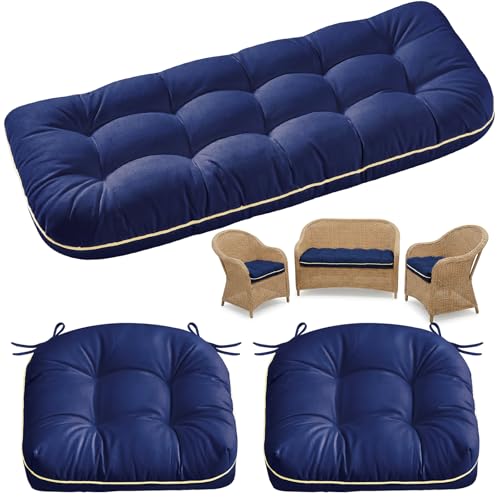
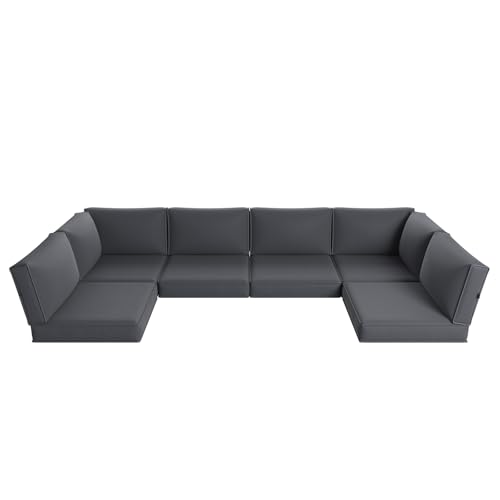
Wicker couch cushions are designed specifically for woven frames — typically made from rattan, synthetic resin, or willow. Because wicker frames have their own structure, curves, and arm profiles, cushions for these couches are usually sold in coordinated sets: a seat cushion plus one or more back cushions.
There are three broad cushion formats you will encounter:
- Full seat-and-back sets — the most common option for standard wicker sofas; these provide both seating support and back comfort.
- Seat-only cushions — ideal if your wicker couch already has a shaped backrest or you prefer a minimalist look.
- Replacement cushion sets — designed for existing wicker furniture where the original cushions have worn out. If that is your situation, exploring wicker patio furniture replacement cushions is a smart starting point.
Each format serves a different need, and the right choice depends on your frame design, how much back support you want, and how often the cushions will be used.
Choosing the Right Fabric for Outdoor Wicker Couch Cushions
Fabric is where most cushion decisions are won or lost. A beautiful cushion that fades, mildews, or feels clammy after rain quickly becomes a regret. For outdoor wicker couch cushions, prioritize these fabric categories:
Solution-Dyed Acrylic
This is widely regarded as the gold standard for outdoor cushion fabric. The color is locked into the fibers during manufacturing, so it resists fading far better than surface-dyed alternatives. It also handles moisture well and stays soft to the touch. Expect this in premium and high-end tier cushion sets.
High-Grade Polyester Blends
Modern polyester blends offer strong moisture resistance and reasonable fade protection at a more accessible position in the market. Mid-range cushion sets frequently use these, and the better examples perform impressively well for several seasons.
Olefin and Specialty Outdoor Weaves
Olefin is naturally moisture-resistant and quick-drying, making it a solid pick for humid climates. It is common in entry-level and essential tier cushions, though the best olefin fabrics rival mid-range acrylics in durability.
Tip: If your cushions will be exposed to direct sun all day, lean toward solution-dyed acrylic. If they live on a covered porch, a quality polyester or olefin blend can perform very well. Understanding weather-resistant fabric for outdoor cushions in more depth helps you match the fabric to your actual exposure.
Foam Density, Fill Type, and Comfort Tiers
Fabric gets the attention, but the filling determines how the cushion feels and how long it holds its shape. For wicker couch cushions, the filling choice affects support, resilience, and drying speed.
- High-density polyurethane foam — the most common core. Denser foam supports better and resists sagging. Entry-level cushions often use lower-density foam that softens quickly; mid-range and premium sets typically specify higher density.
- Quick-dry foam — engineered with open cells that let water pass through quickly. A meaningful upgrade for cushions that face rain or heavy humidity.
- Polyester fiber wrap — often layered over foam for softness. Adds plushness but compresses over time.
- Blown fiber fill — common in back cushions. Comfortable and lightweight, but requires regular fluffing.
In practice, a balanced-tier cushion with a medium-density foam core plus a fiber wrap delivers the best everyday comfort for most households. Top-tier cushions typically combine higher-density foam with quick-dry engineering for superior longevity.
How to Measure for Wicker Couch Cushions
Sizing errors are the leading cause of cushion returns. Wicker frames vary significantly, and even cushions listed as "standard" may not match your couch. Take these measurements before you shop:
- Seat width — measure across the inner frame from arm to arm (or side to side if there are no arms).
- Seat depth — measure from the front edge of the seat to the backrest.
- Cushion thickness — note the maximum thickness your frame can accommodate without the cushion riding up over the arms.
- Back height — measure the backrest area if you are buying back cushions.
- Frame curvature — some wicker couches have rounded fronts or curved backs. Note any curves so you can account for them.
When comparing cushions, always check the listed dimensions against your measurements and look for cushions with slight tolerance in the fit. A cushion that is marginally larger than the seat can look intentional and tailored; one that is too small will slide and look unfinished.
Tip: For wicker frames with unusual proportions, consider whether a wicker outdoor furniture without cushions setup plus separately sourced cushions might give you a better fit than a pre-packaged set.
Comparing Cushion Quality Tiers at a Glance
Use this table to understand how cushion tiers differ in materials and typical use cases. Tiers describe relative market position and construction quality, not absolute specifications.
| Tier | Typical Fabric | Fill & Construction | Best For |
|---|---|---|---|
| Entry-level / Essential tier | Olefin or basic polyester | Lower-density foam, simple seams | Covered porches, light seasonal use |
| Mid-range / Balanced tier | Quality polyester blend or acrylic blend | Medium-density foam with fiber wrap, reinforced seams | Everyday family use, partial sun exposure |
| Premium / High-end tier | Solution-dyed acrylic | High-density quick-dry foam, structured tailoring | Full sun, frequent use, long-term investment |
| Luxury / Top-tier | Premium solution-dyed acrylic with advanced coatings | Engineered multi-layer foam, precision stitching | Design-focused outdoor living, extended exposure |
Higher tiers are not automatically the right answer for every household. A covered porch with modest sun exposure may be perfectly served by a well-made mid-range cushion, while a poolside wicker couch in full sun benefits from the fade resistance of a premium set. Understanding weather-resistant outdoor furniture cushions helps you align tier with environment.
Weather Resistance: What Actually Matters
Weather resistance is not a single feature — it is a combination of fabric, fill, stitching, and finishing. When evaluating wicker couch cushions, look for these specific qualities:
- Water-repellent finish on the fabric surface, which causes light rain to bead rather than soak in.
- Quick-dry core so that any moisture that does penetrate drains and evaporates quickly.
- Mold- and mildew-resistant treatment on both fabric and filling.
- UV-stable dyes that resist fading during long sun exposure.
- Reinforced, sealed seams that prevent water from wicking into the filling through stitch lines.
- Zippered covers that can be removed for cleaning and drying.
If you want a deeper understanding of how these features combine, our guide to weatherproof outdoor furniture cushions breaks down the engineering behind truly durable cushions.
Tip: Even the best cushions benefit from protection. Pairing your cushions with waterproof outdoor wicker furniture covers during off-seasons dramatically reduces wear.
Matching Cushions to Your Wicker Couch Style
Wicker furniture spans a wide design range, from traditional white wicker to modern dark rattan. Cushion choices should complement the frame rather than compete with it.
- White wicker frames pair well with soft neutrals, pastel tones, or crisp navy. Our guide to white wicker patio furniture covers color coordination in detail.
- Natural brown rattan suits earthy tones, cream, and olive greens.
- Dark synthetic wicker offers room for bolder colors and modern geometric patterns.
- Blue accent cushions remain a perennial favorite for coastal and transitional looks — see wicker patio furniture with blue cushions for inspiration.
Beyond color, consider cushion thickness. Thicker cushions read as more luxurious but can make deep seats feel cramped. Slimmer cushions suit compact wicker sofas and keep the frame visible.
Caring for Wicker Couch Cushions
Proper care is the difference between cushions that look fresh for one season and cushions that serve you for many. Follow these habits:
Routine Cleaning
- Brush off loose debris weekly with a soft brush or vacuum upholstery attachment.
- Spot-clean spills promptly with mild soap and water; avoid harsh detergents.
- For deeper cleaning, remove zippered covers and hand-wash according to the manufacturer's instructions.
- Allow covers to air-dry fully before replacing them on the foam.
Seasonal Protection
- Bring cushions indoors during heavy rain seasons or extended bad weather.
- Store cushions in a dry, ventilated space during off-seasons.
- Use furniture covers when the couch is not in use for extended periods.
- Rotate cushions periodically to distribute wear evenly.
If your cushions are approaching the end of their life, replacement is usually the right call. Our guide to wicker patio furniture replacement cushions explains how to source compatible sets.
Storing Wicker Couch Cushions Correctly
Storage is often overlooked, yet it is where many cushions quietly deteriorate. Moisture trapped in a sealed container can cause mildew, and compression in a cramped space can permanently flatten foam.
For short-term storage, a ventilated storage bench keeps cushions protected while allowing airflow. For longer off-season storage, a dedicated waterproof storage solution is far superior. Our detailed guide to waterproof outdoor storage for patio cushions covers container options, ventilation, and organizing strategies.
If you prefer integrated storage, a waterproof outdoor storage bench doubles as seating and protects cushions during unexpected rain.
Common Mistakes to Avoid
- Buying by appearance alone. A beautiful fabric with poor UV stability will fade quickly in direct sun.
- Skipping measurements. Guessing at dimensions is the fastest route to a return.
- Ignoring fill quality. Low-density foam compresses quickly and makes even premium fabric feel cheap.
- Leaving cushions out in heavy rain. Even weather-resistant cushions are not designed for continuous soaking.
- Storing damp cushions. Always dry cushions fully before storing them to prevent mildew.
- Overlooking frame compatibility. Cushion sets designed for a different frame style may not sit correctly on your wicker couch.
Frequently Asked Questions
How do I measure for wicker couch cushions?
Measure the seat width, depth, and thickness of your wicker couch frame, and account for any curves or arms. Always compare your measurements against the cushion's listed dimensions and look for models offering slight adjustability.
What fabric is best for wicker couch cushions?
Solution-dyed acrylic and high-grade polyester blends are among the most reliable choices for outdoor wicker couch cushions because they resist fading, moisture, and mildew while staying comfortable.
How often should wicker couch cushions be replaced?
With proper care and seasonal storage, quality wicker couch cushions can last several seasons. Replace them when the filling loses resilience, the fabric shows persistent staining, or the seams begin to fail.
Can wicker couch cushions be used indoors?
Yes. Weather-resistant wicker couch cushions work well indoors too, especially in sunrooms and covered porches. Their durable covers and supportive fill make them a practical option for high-use indoor seating.
Ready to Upgrade Your Wicker Seating?
You now have the framework to choose cushions that fit correctly, hold up to the weather, and feel genuinely comfortable. Explore curated options that match your wicker couch and outdoor lifestyle.
Explore Recommended Cushions