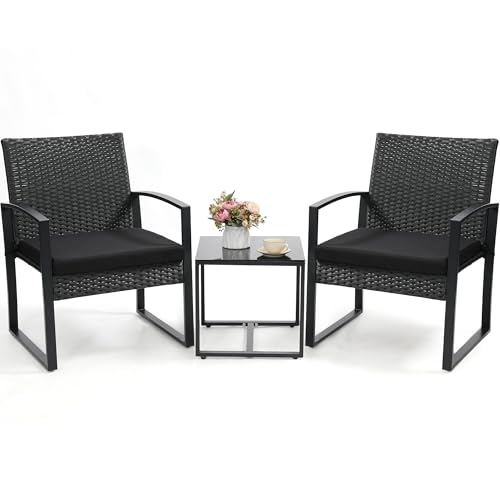
Wicker Outdoor Furniture Without Cushions: The Complete Buying Guide
Everything you need to choose, compare, and care for cushionless wicker patio furniture — from frame materials and weave quality to sizing, styling, and long-term weather protection.
Start the GuideWhy go cushionless? Wicker outdoor furniture without cushions offers a low-maintenance, breathable, and design-forward alternative to traditional padded sets. You get the timeless woven look, faster drying after rain, easier cleaning, and the freedom to swap in your own cushions or seat pads whenever your style changes. This guide walks you through what to check before you buy so you can make a confident, long-term decision.
What Is Wicker Outdoor Furniture Without Cushions?
Wicker outdoor furniture without cushions refers to woven patio pieces — sofas, chairs, loungers, dining sets, and coffee tables — that are sold with the frame and weave only, with no upholstered seat or back pads included. The woven surface itself becomes the visible seating surface, which means the quality of the weave and frame matters even more than on a padded set.
Buyers typically choose cushionless wicker for three reasons: they want to supply their own waterproof seat cushions for outdoor furniture in a specific fabric or color, they prefer the airy look of bare weave, or they want furniture that dries quickly and stores easily. The result is a versatile base that you can dress up or leave minimal depending on the season and occasion.
It helps to think of cushionless wicker as a "shell" category. The frame carries the structural load, the weave provides the visual texture and surface feel, and any padding you add later is purely a comfort and style layer. That separation makes maintenance simpler and lets you refresh the look without replacing the furniture itself.
Key Advantages of Cushionless Wicker Sets
Cushionless wicker furniture solves several practical problems that padded sets create. Here are the benefits buyers mention most often:
- Faster drying: Without foam cores to trap moisture, woven surfaces shed rain quickly and are ready to use sooner after a storm.
- Lower maintenance: No removable covers to wash, no zippers to fail, and no mildew-prone foam to replace every few seasons.
- Breathable comfort: Open weave allows air to circulate, which feels cooler on hot afternoons than a solid padded seat.
- Design flexibility: You can pair the set with thin seat pads, throws, or full cushions — or leave it bare for a clean, modern look.
- Easier storage: Cushionless pieces stack and cover more efficiently, and there is no need to store bulky pads indoors for the off-season.
- Longer structural focus: Your entire budget goes toward the frame and weave quality rather than upholstery you may replace anyway.
Editor's note: If you plan to add padding later, measure the seat depth and width before buying. Many cushionless sofas are designed for standard pad sizes, but a few use proprietary dimensions that limit your aftermarket options.
Frame Materials Compared
The frame determines how long your wicker furniture lasts and how much weight it can safely carry. Below is a comparison of the most common frame materials used in outdoor wicker construction.
| Frame Material | Durability | Weather Resistance | Best For |
|---|---|---|---|
| Powder-coated aluminum | High | Excellent — rust-proof finish | Most outdoor settings; lightweight and durable |
| Steel (powder-coated) | High | Good if coating is intact | Heavy-duty seating and windy locations |
| Natural rattan | Moderate | Needs cover and seasonal care | Covered porches and sunrooms |
| Resin / plastic core | Moderate | Good | Entry-level sets and occasional use |
| Wrought iron | Very high | Good with maintenance | Traditional styling and long-term investment |
For most homeowners, a powder-coated aluminum frame wrapped in all-weather synthetic wicker represents the sweet spot: it is light enough to move, strong enough for daily use, and engineered to resist rust and fading. Steel frames add mass and wind resistance but require you to inspect the coating periodically. Natural rattan is beautiful but demands commitment to sealing and shelter, which is why it is best reserved for covered areas.
Whichever frame you choose, confirm that the manufacturer rates the set for outdoor use and that the weight capacity fits your household. A quick structural check on delivery — pressing on arms and seat edges to feel for wobble — will reveal problems early.
Weave Types & Quality Checks
The weave is the visible surface of cushionless furniture, so its tightness and consistency directly affect both comfort and longevity. A few weave categories dominate the market:
Natural rattan and reed
Plant-based and classic in appearance, natural materials require regular sealing and shelter from direct rain and prolonged sun. They are an excellent choice for a covered porch where the fiber can dry out between exposures.
Synthetic resin wicker (all-weather wicker)
Extruded resin strands woven over a metal frame. High-grade versions resist UV fading, moisture, and temperature swings, and are the standard for year-round outdoor use. Look for tight, even wraps and a consistent strand thickness.
Paper-based and hybrid weaves
Often used for indoor or sunroom pieces, these weaves may be treated for limited outdoor exposure but are not built for direct rain. They are a good match for screened patios rather than open yards.
Quality check: Run your hand along the weave and look for loose ends, gaps between strands, and color variation. A premium weave feels uniform, has no sharp edges, and wraps cleanly around the frame corners without exposed metal.
Sizing & Space Planning
Cushionless wicker pieces often look slimmer than their padded counterparts, but the footprint can be surprisingly large once you account for legroom, walkways, and table clearance. Before ordering, sketch your patio and mark these zones:
- Primary walkway: Leave at least 30 inches of clearance for main paths and 18 inches for secondary movement.
- Seating depth: A cushionless sofa typically needs 26–30 inches of depth; add a few inches if you plan to layer seat pads.
- Dining clearance: Allow 30–36 inches between the table edge and the nearest wall or furniture so chairs can pull out comfortably.
- Doorway and stair clearance: Measure your delivery path — assembled wicker sofas can be wide, so check that they fit through gates and doorways.
For compact balconies and small patios, cushionless bistro sets and two-seat sofas work especially well because they reduce visual bulk. If your space is tight, our guide on designing a small patio layout offers additional layout strategies, and pairing the set with a weatherproof outdoor side table keeps essentials close without crowding the footprint.
Market Tiers Explained
To compare cushionless wicker sets fairly, it helps to sort them by market tier rather than by any single specification. The tiers below describe relative positioning, not absolute features.
| Tier | Typical Build | Best For |
|---|---|---|
| Entry-level | Lighter resin weave over a basic metal or resin frame; simpler joinery | Occasional use, balconies, starter patios |
| Mid-range | Tighter all-weather weave over powder-coated aluminum; reinforced seat decks | Daily family use and most residential patios |
| Premium | High-density weave, heavier frame gauge, refined joinery and finish | High-traffic decks and design-focused spaces |
| Luxury | Hand-finished weave, commercial-grade frame, curated detailing | Long-term investment and hospitality-grade use |
Mid-range models typically offer the best balance for most households: the weave is dense enough to feel smooth against the skin, the frame is robust enough for daily use, and the finish resists fading across seasons. Entry-level sets are a reasonable choice for light use, while premium and luxury tiers reward buyers who prioritize longevity and refined detailing.
Comfort Without Cushions
Many buyers worry that cushionless seating will feel hard. In practice, the weave itself provides a slight give, and well-designed frames use contoured seat decks and slightly reclined backs to support natural posture. If you want extra softness without committing to full cushions, these options work well:
- Thin seat pads: A 1–2 inch pad adds comfort while keeping the airy look and fast-drying benefit. Look for weather-resistant outdoor furniture cushions with quick-dry foam.
- Throw pillows: Lumbar and back pillows soften the support without changing the seat profile.
- Outdoor throws: A lightweight woven throw adds warmth on cool evenings and is easy to launder.
- Chair pads with ties: For dining chairs, tie-on pads stay put and can be removed for cleaning.
If you plan to switch between bare weave and padded comfort seasonally, choose a set with standardized seat dimensions so that aftermarket pads fit predictably. Buying from the same collection as your cushions is one option; measuring and matching standard sizes is another.
Care & Weatherproofing
Cushionless wicker is easier to maintain than padded furniture, but it still benefits from a simple seasonal routine. Here is a practical care plan:
Routine cleaning
- Rinse the weave with a garden hose every few weeks during pollen season.
- Use a soft brush and mild soapy water for sticky spots or bird droppings.
- Avoid pressure washers on synthetic weave, which can fray strands and loosen wraps.
- Dry thoroughly in the sun before covering to prevent trapped moisture.
Seasonal protection
- For synthetic sets, a fitted cover during the off-season extends the weave's appearance. See our guide to waterproof outdoor wicker furniture covers for fit and material tips.
- Natural rattan benefits from an annual sealant application and should be moved under cover during prolonged rain.
- Inspect frame joints and welds each spring for rust spots or wobble, and touch up powder coating as needed.
Storage between seasons
If you rotate furniture or store it during winter, keep pieces elevated off concrete and covered with a breathable cover. Cushionless frames store efficiently, but stacking heavy pieces can distort the weave, so store sofas upright where possible.
Styling Your Cushionless Set
Bare wicker offers a neutral, textural canvas that works with nearly any outdoor design language. A few styling directions to consider:
- Minimalist: Let the weave be the star. Add a single sculptural side table, a tall planter, and a string of warm outdoor lights.
- Coastal: Pair natural-tone wicker with blue and white accessories, a jute or striped outdoor rug, and a weathered wood side table.
- Bohemian: Layer patterned throw pillows, a macramé wall hanging, and low lanterns for a relaxed, layered look.
- Modern: Choose darker synthetic weave and square silhouettes, then add graphite seat pads and a sleek fire pit for contrast.
Grounding the seating area with an outdoor rug helps define the zone and protects both the weave and the patio surface. If you are layering textiles, choose weather-resistant fabric for outdoor cushions so that any pads or pillows you add can handle sun and showers.
Buying Checklist
Use this checklist before you finalize any cushionless wicker purchase:
- Confirm the frame material and weight rating; aluminum and powder-coated steel are the most reliable outdoor choices.
- Inspect weave density and wrapping — tight, uniform strands signal better construction.
- Measure your patio footprint, walkways, and doorway clearance before ordering.
- Check whether the seat dimensions match standard pad sizes if you plan to add cushions later.
- Verify the weather rating and warranty for both frame and weave.
- Plan for a cover or storage solution if your climate has harsh winters or long rainy seasons.
- Read assembly notes — some sets ship partially assembled and need tools on delivery day.
Ready to Explore Cushionless Wicker Sets?
Browse curated options and compare features, frame types, and sizing to find the right fit for your patio.
View Recommended SetsFrequently Asked Questions
Is wicker outdoor furniture without cushions comfortable enough for daily use?
Yes. Many cushionless wicker pieces use contoured seat decks and breathable woven surfaces that support comfortable daily lounging. Adding a thin seat pad or a throw can personalize the feel without changing the furniture's structure.
What is the difference between natural rattan and all-weather wicker?
Natural rattan is a plant-based material that needs regular sealing and should be kept under cover. All-weather wicker is a synthetic resin woven over a metal frame, engineered to resist moisture, fading, and temperature swings outdoors.
How do I keep cushionless wicker furniture clean?
Rinse the weave with a garden hose, use a soft brush with mild soapy water for stubborn grime, and dry thoroughly in the sun. Avoid pressure washers on synthetic weave, and re-seal natural rattan as recommended by the maker.
Can wicker furniture without cushions be left outside all year?
All-weather synthetic wicker on a powder-coated aluminum frame can typically stay outdoors year-round in most climates. Natural rattan and lower-grade synthetic pieces benefit from a cover or seasonal storage during harsh weather.
What should I check before buying a cushionless wicker set?
Inspect the frame gauge and welds, confirm the weave is tightly and evenly wrapped, measure your patio footprint and doorway clearance, and verify the manufacturer's weather rating and warranty terms.