Weatherproof Outdoor Side Table Buying Guide
Learn how to choose a durable, weather-resistant side table that stays beautiful through rain, sun, and every season.
Why a weatherproof side table matters: An outdoor side table is one of the hardest-working pieces on your patio. It holds drinks, books, lanterns, and snacks while enduring sun, rain, and temperature swings. Choosing a model engineered for the elements protects your investment and keeps your outdoor living space functional year-round.
What Makes a Side Table Truly Weatherproof?
"Weatherproof" is more than a marketing label. A genuinely weatherproof outdoor side table is built with materials and finishes that resist moisture, UV radiation, temperature fluctuations, and pests. The goal is to prevent warping, rusting, fading, cracking, and mold growth that quickly ruin ordinary indoor furniture placed outside.
Key characteristics of a weatherproof side table include:
- Moisture resistance: The surface and core materials do not absorb water or swell when wet.
- UV stability: Colors and surfaces resist fading and degradation from prolonged sun exposure.
- Rust and corrosion protection: Metal components use powder coating, stainless steel, or aluminum that will not rust.
- Temperature tolerance: The table does not crack, warp, or become brittle in heat or cold.
- Mold and mildew resistance: Non-porous surfaces and proper drainage prevent fungal growth.
Understanding these traits helps you evaluate products beyond appearance. A stylish table that fails after one rainy season is a poor choice for any patio. For broader protection strategies, see our guide on weatherproofing outdoor furniture.
Best Materials for a Weatherproof Outdoor Side Table
The material determines durability, maintenance requirements, weight, and style. Here is how the most common options compare.
| Material | Tier | Best For | Key Traits |
|---|---|---|---|
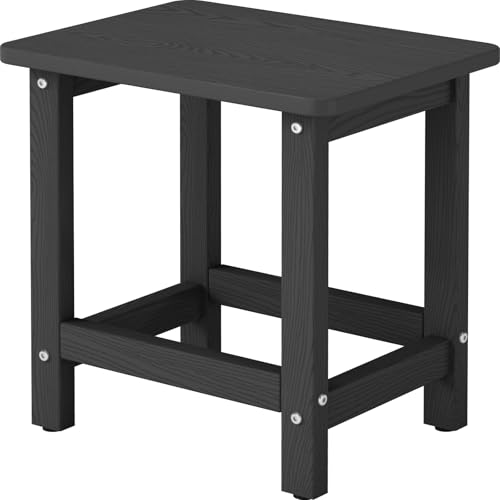
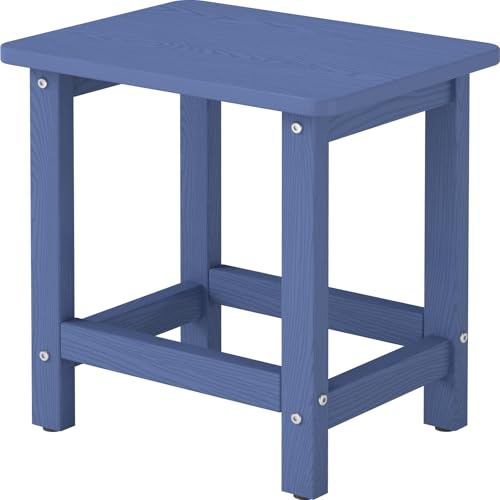
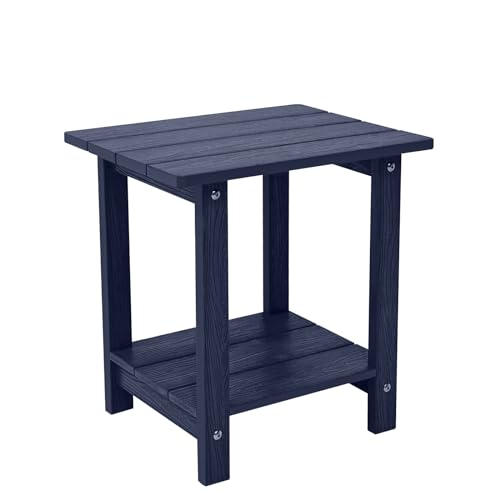
| High-Density Polyethylene (HDPE) | Essential to mid-tier | Low-maintenance patios, coastal areas | Will not rot, splinter, or absorb water; UV-stabilized colors; very durable |
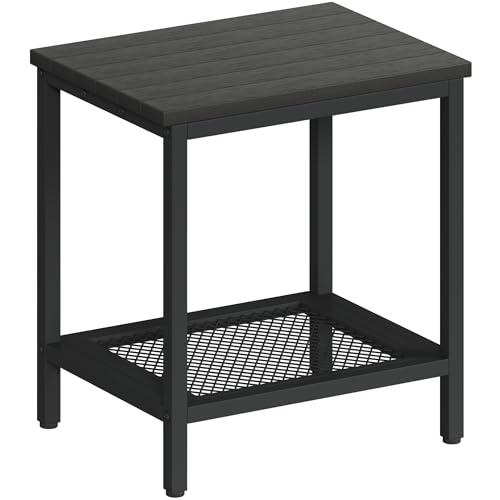
| Powder-Coated Aluminum | Mid-range | Modern and minimalist spaces | Lightweight, rust-proof, easy to move; coating resists chipping |
| Stainless Steel | Premium to high-end tier | High-humidity and coastal climates | Exceptional corrosion resistance; heavy-duty; sleek industrial look |
| Teak or Sealed Acacia | Mid-range to premium | Natural, warm design schemes | Natural oils repel water; requires occasional resealing; ages gracefully |
| Resin Wicker over Metal Frame | Entry-level to mid-tier | Traditional and transitional patios | Synthetic weave resists moisture; frame quality determines lifespan |
| Concrete or Composite Stone | Luxury tier | Permanent, heavy-duty setups | Extremely stable; weather-impervious; very heavy and difficult to move |
HDPE (High-Density Polyethylene)
HDPE is a synthetic material often used in premium outdoor furniture. It is impervious to moisture, will not rot or splinter, and holds color well when UV-stabilized. It requires virtually no maintenance beyond occasional cleaning. HDPE tables are an excellent choice for homeowners who want a set-and-forget solution.
Powder-Coated Aluminum
Aluminum does not rust, making it ideal for outdoor use. A powder-coated finish adds an extra layer of protection against scratches and corrosion. These tables are lightweight, which makes rearranging your patio easy, but they can be susceptible to dents and may shift in high winds. Look for a solid build and quality coating for the best results.
Stainless Steel
Stainless steel offers outstanding corrosion resistance, especially in coastal environments where salt air is a concern. It is heavier and more durable than aluminum, providing a stable surface. High-grade stainless steel is a long-term investment that maintains its appearance for years with minimal care.
Teak and Sealed Acacia
These hardwoods contain natural oils that repel water. Teak, in particular, is legendary for its outdoor longevity. Both woods can silver gracefully over time if left untreated, or you can apply a sealant to maintain the original tone. Wood tables add warmth and natural beauty but require periodic maintenance to prevent drying and cracking.
Resin Wicker
Synthetic resin wicker is woven over a metal frame, usually aluminum or steel. The weave itself is weather-resistant, but the frame's quality is critical. A powder-coated aluminum frame with tight, high-quality resin weave will last many seasons. Inspect the frame material before choosing a wicker table.
Design and Functional Features to Consider
Beyond material, several design details affect how well a side table performs outdoors.
- Drainage: Slatted tops, perforated surfaces, or slightly raised edges prevent water pooling. Standing water accelerates wear and creates breeding grounds for mosquitoes.
- Weight and stability: Heavier tables resist wind, but lighter tables are easier to move. Consider your climate and whether you need to relocate the table frequently.
- Size and height: A side table should be roughly the same height as the arm of your chair or sofa for comfortable reach. Common heights are 18–24 inches.
- Storage features: Some side tables include shelves or compartments. If you need more storage, explore dedicated solutions like a waterproof outdoor storage box or a waterproof outdoor storage cabinet with shelves.
- Assembly and maintenance: Look for tables that assemble easily and require minimal upkeep. Stainless hardware is a plus.
Quick Buying Checklist
- Material rated for year-round outdoor exposure
- UV-stabilized finish or color
- Rust-proof or corrosion-resistant hardware
- Drainage-friendly top design
- Stable base suitable for windy conditions
- Height matches your seating
- Easy to clean and maintain
- Compatible with your patio style
How to Match a Side Table to Your Patio Style
A weatherproof side table should complement your existing outdoor furniture and the overall design of your space. Here are some pairing suggestions:
- Modern and minimalist: Powder-coated aluminum or stainless steel in neutral tones. Clean lines and simple silhouettes work best.
- Coastal: HDPE or stainless steel in white, navy, or natural tones. These materials handle salt air and humidity beautifully.
- Rustic and farmhouse: Sealed wood or resin wicker with a weathered finish. Pair with weatherproof outdoor benches for a cohesive look.
- Traditional: Resin wicker or cast aluminum with classic detailing. Coordinate with wicker end tables if you have matching pieces.
If you are outfitting a full seating area, consider how the side table interacts with your weather-resistant outdoor sofa and cushions. A cohesive material palette elevates the entire space.
Maintenance Tips for Long-Term Durability
Even the most weatherproof side table benefits from basic care. These habits extend lifespan and preserve appearance:
- Clean regularly: Wipe with a damp cloth and mild soap. Avoid abrasive cleaners that can damage coatings.
- Inspect hardware: Tighten screws and check for rust on metal components. Replace any damaged parts promptly.
- Use a cover during off-season: A cover shields the table from debris and standing water. Our weatherproof wicker furniture covers guide can help you choose the right protection.
- Store cushions separately: If your side table holds cushions, store them in a waterproof storage box for cushions during wet weather.
- Reseal wood annually: Wood tables benefit from a fresh coat of sealant each year to maintain water resistance.
Common Mistakes to Avoid
- Choosing indoor furniture for outdoor use: Indoor tables are not built for moisture or UV exposure and will deteriorate quickly.
- Ignoring the frame under wicker: A beautiful resin weave over a rust-prone steel frame is a hidden liability. Check the frame material.
- Skipping drainage: Flat, lipped tabletops collect water. Choose slatted or perforated designs.
- Underestimating wind: Lightweight tables can blow over. If your patio is exposed, consider a heavier material or add weights.
- Neglecting maintenance: Even weatherproof furniture needs occasional cleaning and inspection.
Frequently Asked Questions
What does weatherproof mean for an outdoor side table?
Weatherproof means the side table is designed to resist rain, sun, humidity, and temperature changes without warping, rusting, or fading quickly. It typically involves materials and finishes engineered for year-round outdoor exposure.
Which materials are best for a weatherproof outdoor side table?
High-density polyethylene (HDPE), powder-coated aluminum, stainless steel, and teak or acacia with proper sealing are among the best materials. Each balances durability, maintenance, and style differently.
Do I need to cover a weatherproof side table in winter?
Even weatherproof tables benefit from a cover during harsh winters or extended periods of disuse. A cover protects against debris, standing water, and UV degradation, extending the table's lifespan.
Can a weatherproof side table stay outside all year?
Yes, most weatherproof side tables are designed for permanent outdoor placement. However, extreme climates may still warrant seasonal protection or storage to maximize longevity.
Ready to Upgrade Your Patio?
Explore our top picks for weatherproof outdoor side tables and find the perfect match for your outdoor space.
View Recommended Products