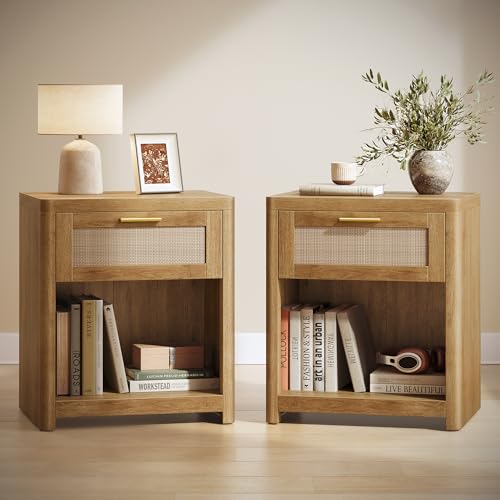
Wicker End Tables: Complete Buying Guide
Transform your outdoor seating area with the perfect wicker end table. Our comprehensive guide covers materials, styles, durability, and top recommendations to help you make a confident purchase.
Explore the GuideWhy Choose a Wicker End Table? A wicker end table is more than just a surface for your drink—it's a design element that ties your outdoor space together. Whether you're looking for a spot to rest your book, a place for your evening beverage, or a decorative accent that complements your patio furniture, the right end table enhances both function and style. This guide will walk you through everything you need to know before making a purchase.
Understanding Wicker Materials
Natural Wicker vs. Synthetic Resin Wicker
The term "wicker" refers to a weaving technique, not a specific material. This distinction is crucial when selecting an end table that will withstand outdoor conditions. Natural wicker is crafted from plant fibers such as rattan, willow, bamboo, or reed, while synthetic wicker is made from high-density polyethylene (HDPE) or PVC resin woven to mimic the look of natural fibers.
Natural wicker offers an authentic, organic aesthetic that appeals to those seeking a traditional or coastal look. However, it requires more care and is generally better suited for covered porches or sunrooms where it's protected from direct rain and prolonged sun exposure. Natural rattan, in particular, is valued for its strength and lightweight properties, making it a popular choice for indoor and sheltered outdoor use.
Synthetic resin wicker has revolutionized outdoor furniture. Modern manufacturing processes create resin strands that are UV-treated, color-fast, and weather-resistant. These materials can withstand rain, humidity, and temperature fluctuations without cracking, fading, or warping. For exposed patios and decks, synthetic wicker is the clear recommendation. It delivers the visual warmth of natural wicker while providing superior durability for year-round outdoor use.
- Natural rattan: Authentic look, lightweight, requires protection from elements
- Willow and reed: Traditional appearance, best for sheltered areas
- HDPE resin wicker: Weather-resistant, UV-stable, low maintenance
- PVC wicker: Durable, easy to clean, consistent color retention
Expert Tip: When shopping for synthetic wicker, look for HDPE (high-density polyethylene) rather than PVC. HDPE is more environmentally friendly, resists fading better, and remains flexible in cold temperatures without becoming brittle. Brands that specify HDPE construction are typically signaling higher quality manufacturing.
Frame Construction and Durability
What's Under the Weave Matters Most
The frame of a wicker end table determines its structural integrity and longevity. While the woven exterior catches the eye, the hidden frame bears the weight and resists the elements. Understanding frame materials will help you evaluate quality beyond surface appearance.
Powder-coated aluminum frames represent the gold standard for outdoor wicker furniture. Aluminum is lightweight yet strong, naturally resistant to rust, and won't degrade when exposed to moisture. The powder coating adds an additional layer of protection against scratches and corrosion. An aluminum frame paired with HDPE wicker creates a table that can handle years of outdoor exposure with minimal care.
Steel frames offer exceptional strength and are often found in mid-range to premium outdoor furniture. However, steel must be properly treated to resist rust. Look for galvanized or powder-coated steel with sealed welds. Untreated steel will corrode quickly in outdoor environments, especially in coastal areas or regions with high humidity.
Wood frames, typically made from acacia, eucalyptus, or teak, provide a natural complement to wicker weaving. These hardwoods are naturally weather-resistant when properly finished. Teak is the most durable option, containing natural oils that repel water and insects. Wood frames require periodic sealing to maintain their appearance and protect against moisture infiltration.
| Frame Material | Durability | Maintenance | Best For |
|---|---|---|---|
| Powder-Coated Aluminum | Excellent | Minimal | All outdoor conditions, coastal areas |
| Galvanized Steel | Very Good | Low | High-traffic areas, windy locations |
| Teak Wood | Excellent | Moderate (periodic oiling) | Covered patios, traditional aesthetics |
| Acacia Wood | Good | Moderate (annual sealing) | Sheltered outdoor spaces |
| Eucalyptus Wood | Good | Moderate (seasonal care) | Eco-conscious buyers |
Choosing the Right Size and Placement
Proportions That Work
The ideal wicker end table height should be within one to two inches of your seating armrest height. This ensures that items are easily reachable without awkward stretching or bending. For most patio sofas and lounge chairs, this means a table height between 20 and 24 inches. If you're pairing the table with a taller outdoor chair or bar-height seating, adjust accordingly.
Consider the footprint of the table in relation to your available space. A round or oval end table with a diameter of 18 to 24 inches works well in most settings, providing ample surface area without overwhelming the space. Square and rectangular options maximize surface area but require more careful placement to avoid creating tight walkways. For small balconies or compact patios, nesting tables or C-shaped designs that slide over the seat of a chair offer space-efficient solutions.
Placement strategy matters as much as size. Position end tables at the ends of sofas and between pairs of lounge chairs where they'll serve the most people. Leave at least 18 inches of clearance between the table and other furniture to allow comfortable movement. On decks and patios, avoid placing tables directly in high-traffic pathways or where they might interfere with doors and walkways.
- Height: Within 1-2 inches of armrest height for ergonomic reach
- Diameter/Width: 18-24 inches for round/oval; 16-20 inches for square
- Clearance: Minimum 18 inches from other furniture and walkways
- Small spaces: Consider nesting tables or C-shaped designs
Pro Tip: Before purchasing, measure the space between your existing furniture and any walls or railings. Use painter's tape to mark the footprint of the table on your patio surface. This simple exercise prevents the disappointment of a table that's too large for its intended spot or too small to be useful.
Styles and Aesthetic Considerations
Matching Your Design Vision
Wicker end tables come in a remarkable range of styles, from traditional rolled-arm designs to sleek modern silhouettes. The weave pattern itself influences the visual weight of the piece—tighter, smaller weaves appear more refined and formal, while larger, looser weaves create a relaxed, casual feel. Choose a style that harmonizes with your existing outdoor furniture and the architectural character of your home.
Traditional styles often feature intricate weaving patterns, decorative legs, and a warm honey or natural finish. These tables pair beautifully with classic patio furniture and create a timeless, welcoming atmosphere. Look for details like braided edges, woven tops, and curved profiles if you're drawn to traditional design.
Modern and contemporary styles favor clean lines, geometric shapes, and monochromatic color schemes. Black, white, and gray wicker finishes dominate this category, often paired with minimalist frames and sleek surfaces. A modern wicker end table with a glass top, for example, combines texture with transparency for a sophisticated look that doesn't visually clutter the space.
Coastal and bohemian styles embrace the natural texture of wicker with lighter finishes—whitewashed, bleached, or natural rattan tones. These tables often feature open weaves, organic shapes, and may incorporate materials like rope or driftwood accents. They're ideal for creating a relaxed, beach-inspired atmosphere on your patio or porch.
Color considerations: Natural wicker tones (browns, tans, honeys) offer warmth and blend easily with most color schemes. White wicker creates a crisp, airy feel and works well with coastal and cottage aesthetics. Black wicker provides contrast and grounding, particularly in modern and industrial-inspired outdoor spaces. Gray wicker serves as a versatile neutral that bridges traditional and contemporary styles.
Key Features to Evaluate
Functional Details That Enhance Usability
Beyond aesthetics and materials, certain features elevate a wicker end table from merely adequate to genuinely useful. Understanding these details will help you identify quality construction and make a more informed selection.
Tabletop surface: Many wicker end tables feature a glass top insert that provides a smooth, stable surface for drinks and decor. Tempered glass is essential for safety and durability outdoors. Some tables use a solid woven top or a wooden insert. Glass is easiest to clean and provides a stable base for glasses, while woven tops offer a more unified, textured appearance. If the table doesn't come with glass, you can often have a custom piece cut to fit.
Storage and shelving: Some wicker end tables include a lower shelf or an enclosed storage compartment. A lower shelf is ideal for keeping books, magazines, or small items off the ground while adding visual interest. Enclosed storage—a drawer or lift-top—keeps items protected from rain and dew. For patio use, any storage feature should drain effectively or be lined with a moisture-resistant material.
Mobility features: Consider whether you'll want to move the table frequently. Some designs include built-in handles or are lightweight enough to reposition easily. Casters or glides protect deck and patio surfaces and make it simple to reconfigure your seating arrangement for different occasions. However, tables in windy areas should be heavy enough—or have a means of anchoring—to remain stable.
Weatherproofing details: Look for sealed feet that won't absorb moisture, drainage holes in any recessed areas, and covers for tables that will remain outdoors year-round. Some manufacturers offer fitted covers as accessories. If the table has a glass top, ensure the frame is designed to hold it securely and that water can drain around the edges rather than pooling.
- Tempered glass top: Safe, stable, easy to clean
- Lower shelf: Additional storage and display space
- Enclosed storage: Protection from elements (must drain)
- Casters or glides: Easy repositioning, surface protection
- Sealed feet: Prevent moisture absorption and rot
- UV-resistant finish: Prevents fading and degradation
Care and Maintenance
Keeping Your Wicker End Table Looking Its Best
Proper care extends the life of any outdoor furniture, and wicker end tables are no exception. The maintenance routine depends on whether you've chosen natural or synthetic wicker, but a few universal practices apply to both. Regular cleaning prevents the buildup of dirt, pollen, and mildew that can degrade both the weave and the frame beneath.
Routine cleaning should be gentle. For synthetic wicker, a soft brush or vacuum with a brush attachment removes loose debris. Wash with a solution of mild dish soap and warm water, using a soft cloth or sponge to reach into the weave. Rinse thoroughly and allow the table to dry completely in the sun. Avoid harsh chemical cleaners, bleach, or abrasive pads, which can damage the finish or weaken the resin fibers. Natural wicker should be dusted regularly and cleaned more sparingly with a barely damp cloth to avoid over-saturating the fibers.
Seasonal protection makes a significant difference in longevity. During periods of heavy rain or winter weather, cover your wicker end table or store it in a sheltered location if possible. Breathable furniture covers allow air circulation while blocking moisture and UV rays. For tables that remain outdoors year-round, ensure that water doesn't pool on the surface—check that any glass top or recessed area drains properly. Elevate the table slightly if it sits on a surface that tends to collect water.
Frame maintenance should not be overlooked. Inspect the frame periodically for signs of rust or corrosion, especially at joints and welds. Treat any small spots with a rust-inhibiting primer and touch-up paint appropriate for the frame material. For wood frames, apply a fresh coat of sealant or oil annually to maintain water resistance and prevent cracking. Tighten any hardware that may have loosened through seasonal temperature changes.
Winter Care: If you live in an area with freezing temperatures, synthetic wicker can become brittle. Avoid moving or stressing the table in cold weather. Ideally, store wicker furniture in a garage or shed during the off-season. If outdoor storage is the only option, use a breathable cover and ensure the table is elevated off the ground to prevent moisture wicking into the frame and weave.
Quality Tiers: What to Expect
Understanding Market Segments
Wicker end tables span a wide range of quality levels. Understanding what distinguishes each tier helps you set realistic expectations and identify the best match for your needs and how you plan to use the table. The descriptors below are relative and help categorize products by construction quality, materials, and expected longevity.
Entry-Level — These tables typically use lighter-weight frames, sometimes steel or thin aluminum, with basic PVC or lower-density resin wicker. The weave may be less uniform, and the overall finish less refined. They're suitable for occasional use on covered porches or for those who want to try a wicker aesthetic without a long-term commitment. Entry-level tables often lack features like glass tops or shelving. With proper care, they can last several seasons but may show wear sooner than higher-tier options.
Mid-Range — This tier represents the sweet spot for most buyers. Mid-range wicker end tables feature sturdy aluminum frames, quality HDPE resin wicker with UV inhibitors, and more consistent weaving. Many include tempered glass tops and thoughtful design details like adjustable feet or lower shelves. These tables are built to withstand regular outdoor use and will maintain their appearance for many years with basic maintenance. The construction is noticeably more substantial than entry-level options, with better joinery and smoother finishes.
Premium — Premium wicker end tables showcase superior materials and craftsmanship. Frames are often powder-coated aluminum or solid teak, with the wicker tightly and uniformly woven from high-quality HDPE resin. Premium tables may feature reinforced stress points, seamless joinery, and refined finishes. Glass tops are thicker and more precisely fitted. These tables are designed for discerning buyers who expect their outdoor furniture to look exceptional and perform flawlessly for many years. The weight and solidity of premium pieces are immediately apparent.
Luxury — At the highest tier, wicker end tables are often custom or semi-custom pieces from specialist manufacturers. Materials are the finest available—solution-dyed acrylic wicker that resists fading virtually indefinitely, hand-woven detailing, and frames engineered for commercial-grade durability. Luxury tables may incorporate unique design elements, proprietary weaving techniques, or designer collaborations. They are investments intended to last decades and to serve as focal points in thoughtfully designed outdoor spaces.
| Tier | Frame | Wicker Material | Best For |
|---|---|---|---|
| Entry-Level | Steel or thin aluminum | PVC or low-density resin | Covered porches, occasional use |
| Mid-Range | Aluminum with powder coat | HDPE resin with UV inhibitors | Regular outdoor use, most homes |
| Premium | Heavy-duty aluminum or teak | High-quality HDPE, tight weave | Discerning buyers, long-term use |
| Luxury | Commercial-grade materials | Solution-dyed, hand-woven | Design-focused, heirloom quality |
Frequently Asked Questions
Can wicker end tables stay outside all year?
Synthetic resin wicker tables with aluminum frames are designed for year-round outdoor use and will withstand rain, sun, and temperature changes. However, in regions with harsh winters or frequent freezing conditions, bringing the table into a sheltered area or covering it will extend its life. Natural wicker should always be protected from direct rain and prolonged sun exposure. Even the most weather-resistant synthetic wicker benefits from a breathable cover during extended periods of disuse.
How do I clean a wicker end table?
For synthetic wicker, use a soft brush or vacuum to remove loose dirt, then wash with mild dish soap and warm water using a soft cloth. Rinse thoroughly and allow to dry in the sun. Avoid power washing, which can damage the weave, and never use bleach or abrasive cleaners. For natural wicker, dust regularly with a soft brush and wipe with a barely damp cloth; avoid saturating the fibers. Glass tops should be cleaned with a standard glass cleaner and a soft cloth.
Is wicker furniture heavy?
The weight of a wicker end table depends on its frame material. Aluminum-framed tables are relatively lightweight and easy to move, typically weighing between 10 and 20 pounds. Steel-framed tables are heavier, often 20 to 30 pounds, which can be an advantage in windy locations. Wood-framed wicker tables fall somewhere in between. If portability is important to you, look for tables with handles or consider the overall weight specification before purchasing.
Can I paint or refinish a wicker end table?
Synthetic resin wicker can be painted with a spray paint formulated for plastic, but the finish may not be as durable as the original factory coating. Proper surface preparation—cleaning and light sanding—is essential for adhesion. Natural wicker can be painted or stained, though this changes the character of the piece and may require more frequent touch-ups. If the finish is simply faded or worn, cleaning and applying a UV-protectant spray may restore its appearance without the need for repainting.
How do I prevent mildew on wicker?
Mildew thrives in damp, shaded conditions with poor air circulation. Ensure your wicker end table has proper drainage so water doesn't collect in the weave or on the surface. Position the table where it receives adequate airflow and sunlight, if possible. If mildew does develop, clean it promptly with a solution of equal parts water and white vinegar, then rinse and dry thoroughly in the sun. For natural wicker, keeping the table dry is especially important, as the organic fibers are more susceptible to mildew growth.
What's the difference between wicker and rattan?
Wicker refers to the weaving technique used to create furniture and accessories, while rattan is a specific material—a vine-like palm native to tropical regions—that is commonly used in wicker furniture. Not all wicker is rattan, and rattan can be used in constructions that aren't woven. When shopping for outdoor furniture, the more important distinction is between natural materials (like rattan) and synthetic resin wicker, as the latter is far more suitable for exposed outdoor conditions. Synthetic wicker can mimic the look of rattan convincingly while offering superior weather resistance.
Final Buying Guidance
Bringing It All Together
Selecting the right wicker end table is a balance of aesthetics, function, and durability. Start by assessing your outdoor space: Is it fully exposed to the elements, or is it a covered porch? How much space do you have, and how will the table be used? These practical considerations will narrow your options considerably.
Prioritize synthetic resin wicker with an aluminum frame if the table will live outdoors year-round. This combination offers the best durability-to-maintenance ratio and will maintain its appearance through seasons of use. If your space is sheltered, natural wicker becomes a viable and beautiful option that brings an authentic, organic texture to your patio.
Don't overlook the details that make a table genuinely useful: a glass top for stable drink placement, a lower shelf for storage, sealed feet for moisture protection. Measure your space carefully, and consider how the table's height and footprint will relate to your existing seating. A well-proportioned end table completes the seating arrangement; an ill-fitting one creates frustration.
Finally, think of your wicker end table as a long-term addition to your outdoor living area. Whether you choose a mid-range workhorse or a premium statement piece, proper care will reward you with years of service. A quick wipe-down after dusty days, a cover during harsh weather, and periodic inspections of the frame will keep your table looking and functioning beautifully.
For related outdoor furniture topics, explore our guides on wicker coffee table options and wicker outdoor furniture to complete your patio setup.