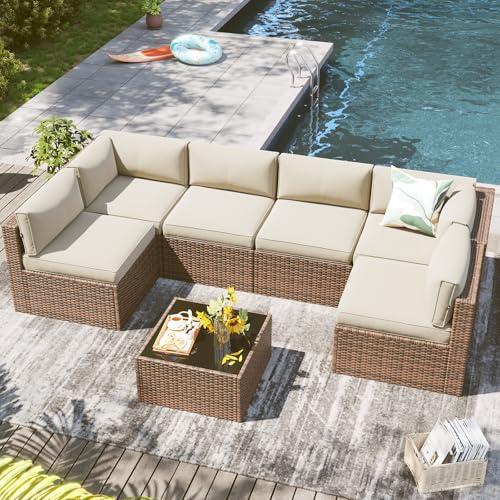
Wicker Outdoor Furniture: The Complete Buying Guide
Everything you need to know about wicker and rattan patio furniture — materials, construction, styling, and long-term care — so you can choose a set that looks beautiful and lasts for seasons.
START WITH MATERIALSWhy wicker remains a backyard favorite: Wicker outdoor furniture blends natural texture with remarkable versatility. Whether you are furnishing a compact balcony or a sprawling deck, a well-chosen wicker set anchors the space with warmth and visual depth that metal and plastic simply cannot match.
This guide walks you through the real differences between natural rattan and synthetic resin wicker, the construction details that separate durable pieces from short-lived ones, and the care routines that keep woven furniture looking fresh year after year.
Natural Rattan vs. Synthetic Wicker: What Actually Matters
The word "wicker" describes a weaving technique, not a material. That distinction is the single most important thing to understand before you shop. Two pieces can both be called wicker while being made from entirely different substances with very different performance profiles.
Natural Rattan and Woven Plant Fibers
Traditional wicker is woven from rattan vine, willow, reed, or seagrass. Natural rattan offers an authentic look and a tactile warmth that synthetic options imitate but rarely fully replicate. However, natural fibers absorb moisture, can dry out and crack under intense sun, and require periodic sealing to resist mildew. For covered porches and sunrooms, natural rattan is a gorgeous choice. For fully exposed patios in wet or humid climates, it demands committed maintenance.
Synthetic Resin Wicker (PE and PVC)
Most modern wicker outdoor furniture uses high-density polyethylene (PE) or PVC strands woven over a metal frame. Quality synthetic wicker is engineered to resist UV fading, moisture, and temperature swings. It will not rot, splinter, or feed mold the way natural fibers can. The best resin wicker is extruded with color running through the strand rather than painted on the surface, which means scratches are far less visible over time.
If your furniture will live outdoors year-round without a roof overhead, synthetic resin wicker is the practical recommendation in nearly every case. If you want authentic texture under a covered structure, natural rattan remains an option worth considering — just plan for seasonal sealing.
Quality Tiers: How Wicker Furniture Is Positioned in the Market
Wicker furniture spans a wide spectrum of construction quality. Rather than thinking in terms of numbers, it helps to understand three broad market tiers and what each typically delivers.
Starter Tier
Lightweight frames, thinner weave strands, and basic foam cushions. Suitable for seasonal use on a covered balcony or as a first patio set. Expect visible wear after a few exposed seasons.
Balanced Tier
Powder-coated aluminum frames, denser weave, and quick-dry cushions with removable covers. A solid choice for year-round covered patios and the sweet spot for most households.
High-End Tier
Heavy-gauge aluminum or welded steel frames, tightly tensioned hand-woven strands, solution-dyed acrylic cushions, and reinforced joints. Built for full sun exposure and heavy daily use.
When comparing pieces across tiers, the differences that matter most are frame gauge, weave density, cushion foam quality, and whether the cushion fabric is solution-dyed. A mid-range set with a solid aluminum frame and solution-dyed cushions often outlasts a higher-tier set whose cushions use surface-dyed fabric.
Frame Construction: The Hidden Backbone
The frame determines whether your wicker furniture stays square and supportive. Aluminum is the preferred material for outdoor wicker because it is light, rust-proof, and strong enough for commercial-grade use when properly gauged. Powder-coated aluminum adds a layer of scratch and corrosion resistance. Steel frames are heavier and very strong but require flawless powder coating to prevent rust at weld points. Cheaper sets sometimes use thin tubular frames that flex under weight — sit on a display model and shift your weight to test for creaking or give.
Look closely at joints and corners. Quality pieces use reinforced corners, welded or bolted connections, and consistent weave tension with no loose strands or gaps. If you plan to leave the furniture outside through winter, pair it with a proper cover; waterproof outdoor wicker furniture covers protect both the weave and the frame from standing moisture.
Cushions and Fabric: Where Comfort Lives
Wicker frames are only half the story. Cushions determine comfort, and their fabric determines how the set looks after a summer of sun and rain. Solution-dyed acrylic is the benchmark for outdoor upholstery: the color is locked into the fiber, so it resists fading far better than surface-dyed polyester. Quick-dry foam with an open-cell structure lets water pass through instead of trapping it, which prevents the musty smell that plagues cheap cushions.
If your existing cushions are aging, replacement is often more sensible than replacing the whole set. Browse wicker patio furniture replacement cushions to refresh the look and feel without touching the frame. For pieces that will sit in direct rain, consider waterproof replacement cushions for patio furniture or add waterproof seat cushions for outdoor furniture for extra protection.
Popular Wicker Furniture Types and Where They Fit
Wicker's flexibility means it appears across nearly every category of outdoor seating and dining. Here is how the most common pieces fit into a real patio layout:
- Wicker sofas and loveseats — the anchor of a conversation area. A wicker loveseat suits small spaces; a full sofa pairs with two chairs for a balanced seating group.
- Wicker chairs — from wicker patio chairs for dining to a sculptural wicker egg chair as a reading focal point. Wicker and rattan chairs cover the full stylistic range.
- Dining sets — a wicker outdoor dining set or wicker patio dining set with umbrella hole handles family meals and entertaining.
- Lounge pieces — a wicker lounge chair or wicker chaise lounge turns a sunny corner into a relaxation zone.
- Tables and accents — a wicker coffee table, wicker end tables, or wicker ottoman ties the grouping together.
- Bar and bench seating — wicker bar stools and a wicker bench extend wicker's texture to entertaining and entry areas.
- Statement pieces — a wicker hanging chair adds a playful, resort-like touch to a porch or pergola.
Complete groupings are also available as a wicker furniture set, which simplifies matching and usually delivers better proportioned combinations than buying piece by piece.
Color and Style Direction
Wicker's texture reads as neutral, which makes it easy to layer with color. White frames feel coastal and airy — see the range of white wicker patio furniture for a bright, breezy look. Natural honey and brown tones lean traditional and pair well with earthy textiles. Dark espresso or charcoal weaves feel contemporary and hide dust well. If you want a pop of color without changing the frame, a set like wicker patio furniture with blue cushions shows how much personality cushions can add.
For a curated, design-led look, a wicker furniture collection with consistent weave and matching tables will always read more intentional than mismatched finds.
Wicker vs. Other Outdoor Materials: A Quick Comparison
| Material | Best For | Strengths | Watch-Outs |
|---|---|---|---|
| Synthetic resin wicker | Year-round exposed patios | Weather-resistant, low maintenance, lightweight | Weave quality varies widely; inspect tension closely |
| Natural rattan | Covered porches and sunrooms | Authentic texture, warm natural look | Requires sealing; prone to moisture damage |
| Aluminum | Modern minimalist layouts | Rust-proof, very durable, easy to clean | Can feel hot in direct sun; less textural warmth |
| Teak wood | Traditional and coastal designs | Naturally rot-resistant, ages gracefully | Heavier; requires periodic oiling to maintain tone |
| Resin plastic | Casual and family-friendly spaces | Lightweight, stackable, easy to wipe down | Less structural rigidity; shorter lifespan overall |
Care and Maintenance for Long-Lasting Wicker
Wicker outdoor furniture is genuinely low-maintenance when you follow a simple routine. Rinse synthetic wicker with a garden hose every few weeks during pollen season, and use a soft brush with mild soapy water for deeper cleaning. Avoid pressure washers, which can fray the weave and force water into the frame. For natural rattan, dust regularly with a soft cloth and apply a dedicated rattan sealer once or twice a year depending on exposure.
Cushions benefit from being brought inside or stored during heavy rain and off-season. If you lack indoor space, a waterproof outdoor storage box for patio cushions or a waterproof outdoor storage bench keeps them dry and ready to use. During winter, cover the frames with breathable covers rather than airtight plastic, which can trap condensation. Our weatherproofing guide covers seasonal preparation in detail.
Frequently Asked Questions About Wicker Outdoor Furniture
Is wicker outdoor furniture durable in rain and sun?
Synthetic resin wicker is designed for outdoor exposure and resists moisture, UV fading, and temperature changes well. Natural rattan is less weather-tolerant and performs best under cover. Across both types, frame quality and cushion fabric matter as much as the weave itself.
How can I tell quality wicker from lower-grade wicker?
Check weave tension for loose strands or gaps, press the frame for flex, inspect joints for reinforcement, and confirm whether cushion fabric is solution-dyed. Denser, heavier pieces with tightly woven strands and powder-coated aluminum frames generally indicate better construction.
Can wicker furniture stay outside during winter?
Synthetic wicker can stay outside through winter in most climates if covered with a breathable, waterproof cover. Natural rattan should be moved to a sheltered location. Cushions should always be stored dry to prevent mildew.
How do I clean synthetic wicker furniture?
Rinse with a hose, then scrub gently with a soft brush and mild soapy water. Rinse again and let it air-dry in the sun. Avoid harsh solvents and pressure washing, which can damage the weave and finish.
Should I replace cushions or the whole wicker set?
If the frame and weave are structurally sound, replacing cushions is usually the smarter move. New solution-dyed cushions can dramatically refresh the look and extend the set's usable life for years.
Ready to Furnish Your Outdoor Space?
Browse our curated recommendations for wicker patio furniture and find the right fit for your layout, climate, and style.
VIEW RECOMMENDED PRODUCTS