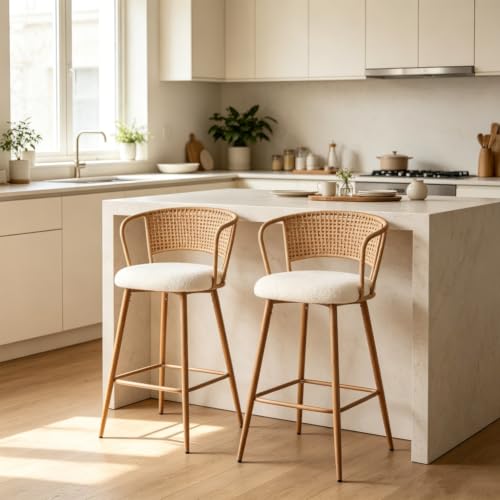
Wicker Bar Stools: Complete Buying Guide & Style Ideas
Elevate your patio bar or kitchen island with the natural texture and timeless appeal of wicker bar stools. Learn how to choose the right height, frame material, weave quality, and style for your outdoor or indoor entertaining space.
Explore Top PicksWhy wicker bar stools? Wicker and rattan bar stools bring warmth, texture, and a relaxed resort feel to any bar area. They pair beautifully with wood, stone, and metal surfaces, and modern all-weather resin wicker has made this classic look practical for year-round outdoor use. This guide walks you through everything you need to know before you buy.
What Are Wicker Bar Stools?
Wicker bar stools are tall seating pieces — typically designed to pair with a bar-height counter or outdoor bar table — built with a woven material stretched over a structural frame. The term "wicker" refers to the weaving technique rather than a specific material, which is why you'll find wicker bar stools made from natural rattan, bamboo, seagrass, and modern synthetic resin.
Their woven surfaces create a light, airy visual texture that works especially well in outdoor settings. Unlike solid upholstered stools, wicker bar stools allow air to circulate, which keeps them cooler in warm weather and helps them dry faster after rain. Many models also incorporate a footrest and a low or full backrest for extended comfort.
Wicker bar stools are commonly used in three settings:
- Outdoor patio bars — paired with a bar-height table or an outdoor kitchen counter.
- Covered porches and sunrooms — where the natural look complements relaxed decor.
- Indoor kitchen islands — where rattan and wicker add warmth to modern interiors.
If you're building out a complete outdoor bar area, it helps to think beyond seating. A coordinated setup might include a wicker outdoor dining set nearby, plus thoughtful storage for cushions and accessories. For cushion protection between seasons, consider a waterproof outdoor storage box for cushions so your seat pads stay dry and ready to use.
Wicker Materials: Natural vs. Synthetic
The single most important decision when buying wicker bar stools is the material. It affects durability, weather resistance, maintenance, and how the stool feels in everyday use. Here's how the main options compare.
Natural Rattan and Wicker
Natural rattan is a climbing palm that is strong, lightweight, and flexible. It has a warm, organic look that many people associate with classic patio furniture. However, natural rattan is best suited to covered or indoor spaces. Prolonged direct sun and rain can cause it to dry out, crack, or develop mildew. Natural wicker requires occasional cleaning and, in some climates, re-oiling to maintain flexibility.
Synthetic Resin Wicker (All-Weather Wicker)
Synthetic resin wicker — often called all-weather wicker or PE wicker — is extruded from high-density polyethylene and woven over a metal frame. It is engineered to resist UV fading, moisture, and temperature swings, making it the practical choice for uncovered patios and poolside bars. High-quality resin wicker can look remarkably close to natural rattan while offering far better longevity outdoors.
Seagrass, Bamboo, and Other Natural Weaves
Seagrass and bamboo offer distinct textures and a more rustic character. They are generally best for indoor or sheltered use, as they are more sensitive to moisture than resin wicker. If you love the natural look for an indoor kitchen island, these can be an excellent stylistic choice — just keep them away from direct water exposure.
Quick rule of thumb: For exposed outdoor use, choose synthetic resin wicker over a powder-coated aluminum or steel frame. For covered porches and indoor islands, natural rattan and seagrass are beautiful options as long as you protect them from direct rain.
Whichever material you choose, pair your stools with compatible accessories. If your bar area includes wicker furniture nearby, protective waterproof outdoor wicker furniture covers help extend the life of the weave during off-season storage. For the stools themselves, a waterproof outdoor storage box is a convenient way to keep cushions and small accessories dry.
Choosing the Right Height and Seat Dimensions
Bar stool height is where many buyers make mistakes. A stool that is too short or too tall relative to your counter creates discomfort and poor posture. The key is to match the stool's seat height to your surface height with the right amount of legroom.
| Stool Type | Typical Seat Height | Pairs With | Best For |
|---|---|---|---|
| Counter stool | 24–26 inches | 36-inch counters, kitchen islands | Indoor islands and low outdoor counters |
| Bar stool | 28–30 inches | 40–42-inch bar tables and counters | Outdoor patio bars and home bars |
| Extra-tall bar stool | 32–34 inches | 44–46-inch high bars | Commercial-style or raised outdoor bars |
As a general guideline, allow 9 to 12 inches of clearance between the top of the stool seat and the underside of the counter or table. This gives enough room for your legs and makes it easy to slide in and out. Also check the footrest position — a well-placed footrest should let your feet rest comfortably without your knees being pushed up.
Seat width and depth matter too. A seat width of at least 16 to 18 inches is comfortable for most adults, and a seat depth around 15 to 17 inches works well for backless or low-back designs. If your outdoor bar is part of a larger seating arrangement, coordinate the stool height with your wicker outdoor dining table with umbrella hole or other nearby surfaces so the whole area feels intentional.
Frame Construction and Weave Quality
The frame is the skeleton of a wicker bar stool, and it determines how stable and long-lasting the piece will be. Look for frames made from powder-coated aluminum or high-grade steel. Aluminum is lighter and naturally rust-resistant, which makes it a strong choice for outdoor use. Steel is heavier and very stable but needs a reliable rust-proof finish to survive the elements.
Weave quality is equally important. A tight, uniform weave signals careful construction. Run your hand over the surface — it should feel smooth without sharp edges or loose strands. On resin wicker, check that the strands are securely fastened at the ends and that the weave pattern is consistent around curves and corners.
- Heavy-duty frame: Look for reinforced joints and a weight capacity appropriate for your household.
- Consistent weave: Tight strands with no gaps or fraying indicate better craftsmanship.
- Protective feet: Rubber or plastic glides protect both the stool legs and your deck or patio surface.
- Footrest integration: A welded or bolted footrest bar adds structural rigidity and everyday comfort.
If you plan to place your stools near other wicker pieces, you may want to browse the broader wicker furniture collection to match weave patterns and frame colors. For a relaxed lounge area adjacent to your bar, a wicker lounge chair can tie the whole space together.
Comfort, Cushions, and Backrest Options
Wicker bar stools come in three main comfort configurations: backless, low-back, and full-back. Each serves a different purpose.
- Backless stools tuck neatly under the bar and keep sightlines open. They're ideal for small spaces and casual seating.
- Low-back stools offer gentle lumbar support while maintaining a streamlined profile.
- Full-back stools provide the most support for long conversations and relaxed entertaining.
Seat cushions make a significant difference in comfort, especially for extended use. Choose cushions made from weather-resistant fabric with quick-dry foam if the stools will live outdoors. A weather-resistant outdoor furniture cushion designed for bar stools will hold its shape and color far longer than a standard indoor pad. For extra protection, a waterproof seat cushion for outdoor furniture is a smart upgrade in rainy climates.
When the season changes, store your cushions properly. A waterproof outdoor storage box for patio cushions or a waterproof outdoor storage cabinet with shelves keeps them clean, dry, and ready for the next gathering.
Popular Styles and Design Pairings
Wicker bar stools are remarkably versatile. The right style depends on the surrounding materials, color palette, and the mood you want to create.
Coastal & Nautical
White or light natural wicker paired with navy or stripe cushions. Works beautifully with weathered wood bars and rope accents.
Modern Minimalist
Dark brown or charcoal resin wicker with clean lines and no backrest. Pairs well with concrete, black metal, and sleek countertops.
Rustic Farmhouse
Honey-toned rattan with visible weave texture. Complements reclaimed wood bars, galvanized accents, and warm neutral palettes.
Tropical Resort
Natural rattan with curved backs and plush light cushions. Ideal for poolside bars, lush greenery, and relaxed entertaining.
For a cohesive outdoor space, consider how the stools relate to your other furniture. A wicker bar stool set can anchor a bar area, while a wicker patio chair arrangement nearby creates a conversation zone. If you're designing a full dining and bar layout, browsing a wicker outdoor furniture collection helps you match finishes and proportions.
Color also plays a role. White wicker bar stools feel bright and breezy, while dark brown and espresso finishes read more formal. If your existing furniture leans toward white wicker patio furniture, matching white stools will create a unified look. For contrast, a dark stool against a light bar can add visual depth.
Weather Resistance and Care Tips
Even the most weather-resistant wicker bar stools benefit from routine care. A few simple habits will keep the weave looking fresh and extend the life of your investment.
- Clean regularly: Wipe down the weave with a soft brush or damp cloth and mild soap. Rinse and dry thoroughly, especially after rain.
- Avoid harsh chemicals: Abrasive cleaners can dull the finish and weaken resin strands. Stick to gentle soap and water.
- Cover when not in use: During long stretches of bad weather or off-season storage, use a breathable cover to protect the weave from debris and UV exposure.
- Inspect the frame: Check joints and foot glides periodically. Tighten any loose hardware and replace worn glides to prevent wobbling.
- Store cushions separately: Cushions last longer when stored dry. A waterproof outdoor storage for patio cushions keeps them protected from moisture and pests.
If your stools sit on a deck or patio that receives heavy rain, a weatherproof outdoor storage cabinet can house small accessories and cushions between uses. And if you ever need to refresh the look of your bar area, replacement cushions in a new color are an easy, low-effort update. Consider weather-resistant outdoor furniture cushions for a durable refresh.
Quality Tiers at a Glance
To help you compare wicker bar stools without focusing on numbers, here's a tier-based framework based on construction, materials, and finish quality. Use this as a relative guide when evaluating options.
| Tier | Typical Characteristics | Best For |
|---|---|---|
| Entry-level | Lightweight frame, basic resin weave, simpler joint construction, fewer comfort features | Occasional use, covered porches, seasonal setups |
| Mid-range | Powder-coated aluminum frame, tighter weave, added footrest stability, optional backrest | Regular outdoor entertaining, family patios |
| Premium | High-grade frame, dense all-weather weave, refined finish, ergonomic seat shaping | Frequent use, exposed patios, design-focused spaces |
| Luxury | Commercial-grade construction, premium weave detail, superior comfort engineering, long-term durability | High-end outdoor bars, hospitality-grade setups |
A mid-range stool often offers the best balance of durability and comfort for typical residential use. Entry-level models can work well for sheltered spaces where the stools won't face constant sun and rain. Premium and luxury tiers make sense when the stools are used daily or when the bar area is a focal point of your outdoor design.
Whatever tier you choose, verify that the stool height matches your bar, and confirm that the frame material is appropriate for your climate. These two factors matter more than any single feature.
Buying Checklist
Before you finalize your choice, run through this quick checklist to make sure the stools will work in your space.
- Measure your counter height and match it to the correct stool type (counter, bar, or extra-tall).
- Confirm the frame material is suitable for your climate — resin wicker over aluminum for exposed outdoor areas.
- Check the weave for tightness, consistency, and smooth edges.
- Decide on backrest style based on space and comfort needs.
- Plan for cushions — choose weather-resistant options if the stools will be outdoors.
- Think about storage for cushions and accessories during off-season months.
- Coordinate with existing furniture for a cohesive look across your patio or kitchen.
If your bar area is part of a larger wicker furniture arrangement, you may also want to explore complementary pieces such as a wicker bench for extra seating or a wicker end table for drinks and small plates. For a complete dining-and-bar layout, a wicker patio dining set with umbrella hole can anchor the dining zone while your bar stools serve the entertaining zone.
Frequently Asked Questions
Are wicker bar stools suitable for outdoor use?
Yes, if they are made from synthetic resin wicker over a rust-resistant frame. Natural rattan is better suited to covered porches or indoor use. Check the manufacturer's weather-resistance claims and use covers during extended bad weather for maximum longevity.
What height bar stool do I need for a 42-inch counter?
A 28–30 inch bar stool is the standard match for a 40–42 inch bar counter. Aim for about 9–12 inches of clearance between the seat and the counter underside for comfortable legroom.
How do I clean wicker bar stools?
Use a soft brush or vacuum with a brush attachment to remove loose debris, then wipe with a damp cloth and mild soap. Rinse lightly and dry thoroughly. Avoid pressure washing and harsh chemical cleaners, which can damage the weave.
Do wicker bar stools come with cushions?
Some models include seat cushions, while others are sold as frames only. If cushions are not included, choose weather-resistant outdoor cushions sized for bar stools. Quick-dry foam and solution-dyed fabric offer the best outdoor performance.
Can wicker bar stools be used indoors?
Absolutely. Rattan and wicker bar stools are popular for kitchen islands and home bars. Natural materials are perfectly fine indoors, and synthetic wicker also works well and is easy to wipe clean.
How many bar stools fit at a typical outdoor bar?
Allow about 24 inches of width per stool for comfortable spacing. For a six-foot bar, three stools generally fit well; for an eight-foot bar, three to four stools work depending on the stool width and whether you want extra elbow room.
Are backless or backrest wicker bar stools better?
Backless stools are space-efficient and easy to tuck away, making them great for smaller areas. Backrest stools offer more support for longer seating sessions. Consider how often you'll entertain and how much space you have around the bar.
Ready to Choose Your Wicker Bar Stools?
Explore our recommended selection of wicker bar stools and find the right match for your patio bar or kitchen island. Compare styles, materials, and features to make a confident choice.
View Recommended Picks