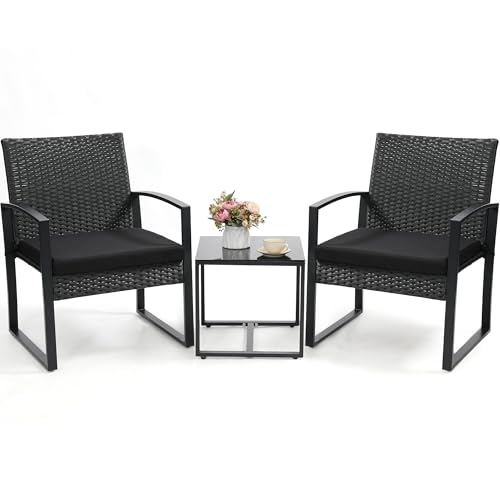
Wicker Patio Chairs: The Complete Buying Guide
Everything you need to know about choosing durable, comfortable, and stylish wicker seating for your outdoor space — from material types to care routines.
Why wicker patio chairs? Wicker has been a staple of outdoor living for generations, and for good reason. It blends lightweight construction with remarkable visual warmth, offering a natural texture that softens hardscaped patios and decks. Whether you are furnishing a sun-drenched balcony or a shaded porch, wicker patio chairs deliver timeless appeal — provided you understand the material differences and construction quality behind each piece.
Natural Wicker vs. Synthetic Wicker: Which Is Right for You?
The single most important decision when shopping for wicker patio chairs is the material. Wicker is actually a weaving technique, not a material itself — and the material used to weave your chair determines its durability, maintenance needs, and suitability for your climate.
Natural Wicker
Natural wicker is woven from plant fibers such as rattan, willow, bamboo, reed, or seagrass. Rattan is the most common choice for outdoor furniture because of its strength and flexibility. Natural wicker offers an organic, artisanal look that many homeowners find irresistible. However, it is vulnerable to prolonged moisture, which can cause mold, warping, and fiber degradation over time. It is best suited for covered porches, sunrooms, or climates with low humidity. Browse our selection of wicker and rattan chairs to see natural-material options.
Synthetic Wicker (Resin Wicker)
Synthetic wicker is made from high-density polyethylene (HDPE) or PVC resin extruded into strands that mimic the look of natural fibers. This material is engineered for outdoor exposure — it resists UV fading, moisture penetration, and temperature fluctuations. Synthetic wicker is the standard for fully exposed patios and poolside areas. Many wicker patio chairs on the market today use synthetic resin weave over a powder-coated aluminum or steel frame, delivering a combination of weather resistance and structural integrity.
| Feature | Natural Wicker | Synthetic Wicker |
|---|---|---|
| Weather Resistance | Low to moderate — needs shelter | High — designed for outdoor exposure |
| Maintenance | Moderate — avoid soaking, regular dusting | Low — rinse with hose, mild soap |
| UV Stability | Can fade and become brittle | UV-stabilized formulations resist fading |
| Lifespan (Outdoor) | Shorter unless sheltered | Long-term with proper care |
| Aesthetic | Organic, artisanal, natural variation | Uniform, modern, color-consistent |
| Best For | Covered porches, sunrooms | Exposed patios, pool decks, balconies |
Frame Construction: The Hidden Backbone of Quality
The weave gets the attention, but the frame determines how long your wicker patio chair will last. A poorly constructed frame will sag, rust, or fail long before the weave shows wear. Here is what to look for:
- Aluminum frames: The top-tier choice for outdoor wicker furniture. Aluminum is lightweight, rust-proof, and resistant to corrosion. Powder-coated aluminum offers additional protection against scratches and UV damage. This is the standard for wicker outdoor furniture that is meant to live outside year-round.
- Steel frames: Strong and stable, but susceptible to rust if the powder coating chips or scratches. Steel frames are common in entry-level and mid-range wicker chairs. If you choose steel, inspect the coating carefully and touch up any chips promptly.
- Wood frames: Typically found in natural wicker pieces. Wood frames (often rattan or eucalyptus) offer aesthetic appeal but require more maintenance and are less suited to wet climates.
Regardless of frame material, check the weight capacity and look for reinforced joints at stress points — particularly where the legs meet the seat and where the backrest connects to the armrests. A well-built wicker chair should feel solid when you press down on the arms and seat.
Popular Wicker Patio Chair Styles
Wicker patio chairs come in a wide range of silhouettes, each suited to different outdoor living needs. Understanding the style options helps you match your seating to your space and lifestyle.
Wicker Dining Chairs
Designed with an upright back and standard seat height, wicker dining chairs pair with a matching table for al fresco meals. Look for stackable or lightweight designs if you need flexibility. A wicker dining chair with a high back and arms offers the most comfortable dining experience for extended meals.
Wicker Lounge Chairs
Deep seats, low backs, and generous proportions define the lounge chair category. These are ideal for reading, napping, and lingering conversations. A wicker lounge chair often pairs with a matching ottoman or side table. Consider cushion thickness and seat depth when evaluating comfort — deeper seats suit taller users, while shallower seats are easier to rise from for guests with mobility concerns.
Wicker Egg Chairs and Hanging Chairs
The egg chair silhouette — a cocoon-like seat suspended from a stand or hung from a beam — has become a design icon. These chairs create a sense of privacy and enclosure, making them ideal for reading nooks and quiet corners. A wicker egg chair is a statement piece that doubles as a focal point for your patio design. Similarly, a wicker hanging chair offers gentle motion and a relaxed, bohemian vibe.
Wicker Bar Stools
For outdoor bars and high-top tables, wicker bar stools combine the texture of wicker with elevated seating. A wicker bar stool with a footrest and back support is essential for comfortable entertaining at counter height.
Comfort Essentials: Cushions and Padding
Wicker is a hard material — the weave itself provides structure, not cushioning. For any chair you plan to sit in for more than a few minutes, cushions are essential. When shopping for cushions, pay attention to:
- Foam density: Higher-density foam retains its shape longer and provides better support. Mid-range and premium wicker chairs often include high-density foam cushions as standard.
- Fabric weather resistance: Look for solution-dyed acrylic or olefin fabrics that resist fading, mildew, and moisture. These fabrics are specifically engineered for outdoor use and will outlast untreated cotton or polyester blends.
- Cushion ties and grips: Ties or grip dots prevent cushions from sliding on the wicker weave, keeping your seating tidy and reducing wear.
- Removable covers: Cushion covers with zippers are easier to clean and replace. If you are investing in a long-term piece, replaceable covers extend the useful life of the cushion set.
If you already own wicker furniture and need to refresh the seating, explore options for wicker couch cushions and wicker patio furniture replacement cushions to restore comfort without replacing the entire chair. For additional protection during storage or off-season, consider waterproof outdoor wicker furniture covers.
How to Clean and Maintain Wicker Patio Chairs
Proper care dramatically extends the lifespan of your wicker furniture. The routine differs depending on whether you have natural or synthetic wicker, but the core principles are the same: keep it dry, keep it clean, and protect it from extreme conditions.
Cleaning Synthetic Wicker
- Rinse the chair with a garden hose to remove loose dirt and debris.
- Mix mild dish soap with warm water and apply with a soft-bristle brush, working into the weave crevices.
- Rinse thoroughly and allow the chair to air-dry completely in a well-ventilated area.
- For stubborn stains, a diluted vinegar solution can be used sparingly. Avoid harsh chemical cleaners that may degrade the resin.
Cleaning Natural Wicker
- Dust regularly with a vacuum brush attachment or a soft cloth.
- Avoid soaking natural wicker — excessive moisture encourages mold and warping.
- For deeper cleaning, wipe with a barely damp cloth and dry immediately.
- Keep natural wicker out of direct rain and move it indoors during winter or prolonged wet weather.
Seasonal Protection
Even synthetic wicker benefits from seasonal care. During winter or extended periods of non-use, cover your chairs with breathable furniture covers or store them in a dry, sheltered location. If your chairs remain outside year-round, inspect the frame and weave periodically for signs of wear, and touch up any chips in the powder coating to prevent corrosion. For broader guidance on protecting outdoor furniture, see our weatherproofing guide.
Wicker Patio Chair Buying Checklist
Before you commit to a purchase, run through this checklist to ensure your chosen chairs will serve you well for years to come:
- Material: Synthetic wicker for exposed areas, natural wicker for sheltered spaces.
- Frame: Powder-coated aluminum is the top-tier choice for outdoor durability; steel is acceptable if the coating is intact.
- Weave quality: Tight, uniform weave with no loose strands or gaps. Run your hand across the surface — it should feel smooth and consistent.
- Weight capacity: Check the manufacturer's stated limit and ensure it suits all intended users.
- Comfort: Sit in the chair if possible, or read reviews about seat depth, back height, and cushion quality.
- Cushions: Confirm that cushions are included or budget for aftermarket cushions with weather-resistant fabric.
- Care requirements: Match the maintenance level to your lifestyle — synthetic wicker is lower maintenance than natural.
- Warranty: A meaningful warranty signals manufacturer confidence. Review the terms before purchasing.
Ready to Explore Wicker Patio Chairs?
Browse our curated selection of wicker seating for every style and space.
Explore Wicker ChairsFrequently Asked Questions About Wicker Patio Chairs
Are wicker patio chairs durable for outdoor use?
Synthetic resin wicker is highly durable and engineered for outdoor use, resisting moisture, UV rays, and temperature changes. Natural wicker requires more protection and is best suited for covered porches or sheltered areas.
How do I clean wicker patio chairs?
Clean synthetic wicker with mild soap and water using a soft brush, then rinse and let it dry completely. For natural wicker, use a vacuum with a brush attachment and avoid soaking it with water.
What is the difference between natural and synthetic wicker?
Natural wicker is made from plant materials like rattan, willow, or bamboo and offers a classic look but needs more care. Synthetic wicker is made from resin or high-density polyethylene and is weather-resistant, low-maintenance, and better suited for exposed outdoor spaces.
Can wicker patio chairs stay outside all year?
Synthetic wicker chairs can generally remain outdoors year-round in most climates, though using protective covers during extreme weather extends their lifespan. Natural wicker should be moved indoors or into a sheltered area during harsh conditions.