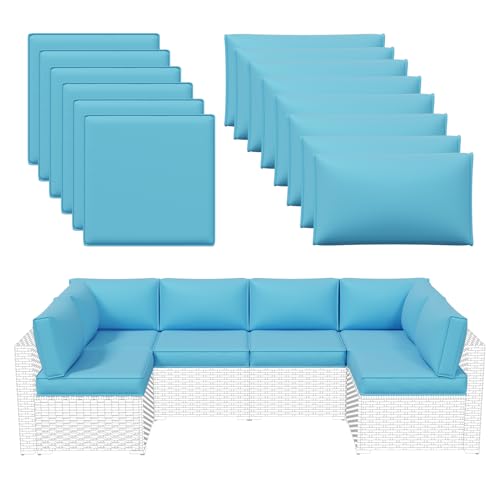
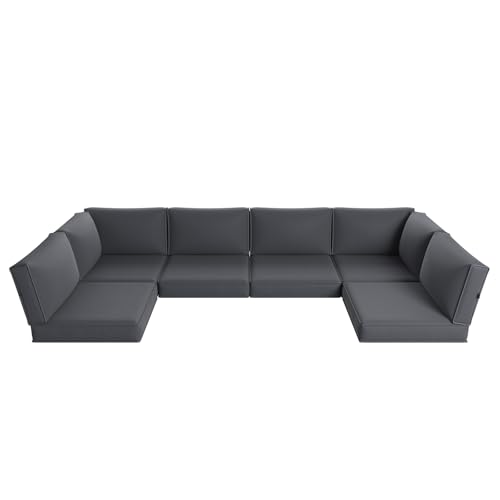
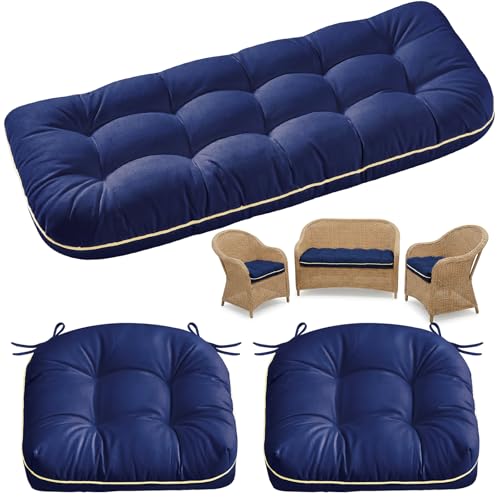
Wicker Patio Furniture Replacement Cushions: The Complete Buying Guide
Refresh your outdoor seating without replacing the frame. Learn how to choose the right cushions for wicker sofas, chairs, and loveseats — from fabric technology and sizing to care and long-term protection.
Why replacement cushions matter: Wicker frames are built to last for many seasons, but the cushions that sit on them take the daily brunt of sun, rain, and use. A well-chosen set of replacement cushions restores comfort, protects the frame from wear, and updates the look of your entire patio for a fraction of the effort of buying new furniture.
Why Replacing Cushions Beats Replacing Furniture
Wicker patio furniture — whether natural rattan, synthetic resin, or PE wicker — is one of the most durable outdoor furniture categories. The frames frequently outlast their original cushions by several seasons. When foam flattens, covers fade, or seams split, the practical move is to replace the cushions rather than the furniture.
Replacement cushions offer three concrete advantages:
- Preserve a proven frame. A structurally sound wicker sofa or wicker lounge chair stays comfortable and stable for years with fresh padding.
- Update the aesthetic. Swapping cushion fabric is the simplest way to change a patio's color story without buying anything structural.
- Upgrade protection. Modern replacement cushions often use better water resistance and UV stability than the originals that shipped with entry-level sets.
Before ordering, confirm that your frame is worth keeping: check for loose weave, rust at joints, and any sagging under the seat platform. If the frame is solid, cushion replacement is the efficient path.
Measure Your Wicker Furniture First
Sizing is the most common reason replacement cushions disappoint. Wicker frames are rarely perfectly rectangular, and rounded arms reduce usable seat depth. Measure the actual seating surface, not the outer frame.
- Seat width: measure between the inner arms at the widest usable point.
- Seat depth: measure front edge to back rail, then subtract any rear curve that would push the cushion forward.
- Cushion thickness: measure the current cushion at its center; thickness drives both comfort and how the cushion sits against the arms.
- Back cushions: measure height and width, and note whether the back is flat or curved.
For modular or corner sections, measure each seat individually — a single "set" may include two different seat sizes. If your measurements fall between standard sizes, choose the smaller dimension for seat depth so the cushion does not overhang and crease.
Fabric Types for Wicker Replacement Cushions
Fabric determines how a cushion handles sun, rain, and cleaning. The table below compares the main categories you will encounter when shopping for wicker cushion replacements.
| Fabric Category | Market Tier | Best For | Key Considerations |
|---|---|---|---|
| Solution-dyed acrylic | Premium / high-end tier | Sun-exposed patios, long-term use | Color penetrates the fiber; strong UV fade resistance; typically water-repellent finish |
| Polyester with water-repellent finish | Mid-range / balanced tier | Covered porches, seasonal use | Good colorfastness; lighter weight; re-treat water repellency periodically |
| Olefin | Mid-tier | Humid climates, quick-dry needs | Low moisture absorption; resistant to mildew; slightly less soft hand-feel |
| Cotton blends | Entry-level / starter tier | Shaded, screened areas | Comfortable but slower to dry; not ideal for uncovered exposure |
If your patio is fully exposed to weather, prioritize solution-dyed acrylic or a treated polyester. If the furniture sits on a covered porch, a mid-tier polyester is a balanced choice. For wicker pieces in humid climates, olefin's low moisture absorption is a practical advantage. You can compare more fabric details in our guide to weather-resistant fabric for outdoor cushions.
Foam and Core Construction
The fabric gets the attention, but the foam core determines how a cushion feels after a full season of use. Three constructions dominate the replacement market:
- High-density polyurethane foam: the standard for seat cushions. Look for a density in the firm range so the cushion resists flattening under repeated use.
- Quick-dry reticulated foam: open-cell structure lets water pass through instead of pooling. A strong match for wicker frames that can trap moisture near the seat deck.
- Wrapped or layered foam: a softer outer layer over a firm core. Comfortable, but check that the wrap is sewn or bonded so it does not shift over time.
Back cushions are usually softer and can use lower-density fill, including fiber blends. Seat cushions should be firmer. A useful rule: if the cushion compresses to near-flat under normal body weight within a season, the foam density was too low for the seat application.
Water Resistance and Wicker Frames
Wicker and water are a combination that rewards planning. Resin wicker handles moisture well, but water that passes through a cushion and sits between the cushion and the seat deck can encourage mildew and accelerate frame wear. For this reason, replacement cushions for wicker should prioritize water management as much as water resistance.
Look for these features:
- Removable covers with sealed or concealed zippers that can be washed and dried separately.
- Quick-dry or reticulated foam cores that allow airflow.
- Water-repellent finishes that bead surface moisture rather than absorbing it.
- Attached ties or grip panels so cushions stay in place and do not trap folded water pockets.
For a deeper comparison, see our guide to waterproof replacement cushions for patio furniture. If you are specifically replacing covers rather than full cushions, our article on waterproof slipcovers for outdoor furniture covers when a slipcover is the smarter route.
Sizing Standards by Wicker Furniture Type
Different wicker furniture types use different cushion proportions. The table below summarizes typical replacement categories so you can match the right product form to your frame.
| Furniture Type | Typical Cushion Form | Best For |
|---|---|---|
| Wicker sofa / couch | Long seat cushion plus back cushions | Three-seat frames; full refresh of the main seating |
| Wicker loveseat | Two-seat bench cushion or two individual seats | Compact seating; pairs with wicker loveseat frames |
| Wicker lounge chair | Deep single seat cushion, often with a back pad | Individual comfort upgrades and armchair refresh |
| Wicker ottoman | Square or rectangular top pad | Footrest comfort and color coordination |
| Wicker dining chair | Thin seat pad with ties | Dining comfort without changing seat height |
Wicker couches and loveseats are the most common replacement projects. Our guides on wicker couch cushions and wicker patio chairs go deeper into size ranges and fit notes for those specific forms.
Protecting New Cushions on Wicker Furniture
Replacement cushions last noticeably longer when they are removed from direct rain exposure and stored during off-season months. For wicker frames specifically, two accessories do most of the protective work:
- Furniture covers. A cover designed for wicker shapes should have vents to prevent condensation buildup. See our guide to waterproof outdoor wicker furniture covers and weatherproof wicker furniture covers for fit and ventilation considerations.
- Cushion storage. A ventilated storage box or cabinet keeps cushions dry between uses. Our article on waterproof outdoor storage box for cushions covers sizing and ventilation, and waterproof outdoor storage for patio cushions details options for larger cushion sets.
Seasonal maintenance is straightforward: brush off debris, spot-clean covers per the manufacturer's instructions, allow the foam to air dry fully before storage, and reapply water repellency treatment if the fabric manufacturer recommends it.
Ready to compare replacement cushion options for your wicker set?
Explore Recommended OptionsCommon Mistakes to Avoid
- Ordering by frame size instead of seat size. Wicker arms and curves reduce usable width; always measure the seating surface.
- Choosing covers with no ventilation. Fully sealed cushions can trap moisture against the wicker seat deck. Breathable covers and quick-dry foam reduce this risk.
- Ignoring cushion height in dining chairs. A thick seat pad on a wicker dining chair can make the table feel too high. Keep dining pads relatively thin.
- Skipping the tie-down check. Wind lifts loose cushions off wicker frames easily. Ties or grip panels are a practical necessity on exposed patios.
- Buying back cushions and seat cushions separately without checking color consistency. Fabric dye lots can vary; order matching sets from the same product line when possible.
Frequently Asked Questions
How do I measure my wicker patio furniture for replacement cushions?
Measure the seat width between the inner arms, the seat depth from front edge to back rail, and the thickness of the current cushion. For back cushions, measure height and width. Account for rounded arms and rear curves, since they reduce the usable seating area.
Are waterproof replacement cushions suitable for wicker furniture?
Yes. Water-resistant and waterproof fabrics protect the cushion core from rain and humidity, which matters for wicker frames that can trap moisture. Quick-dry foam and removable, washable covers are especially useful for uncovered patios.
How long do wicker patio replacement cushions typically last?
Lifespan depends on fabric tier and care. Entry-level covers may last a couple of seasons with regular use, while premium solution-dyed acrylics paired with high-density foam can last many seasons when stored properly during off-season months.
Can I replace only the cushion covers instead of the full cushion?
In many cases, yes. If the foam core is still firm and intact, replacement slipcovers are a practical option. If the foam has flattened or retained moisture, replacing the full cushion is usually the better long-term choice.
Final Thoughts
Replacement cushions are the most efficient way to keep a wicker patio set in service. Match the fabric to your exposure level, choose a foam construction suited to the seat, measure the actual seating surface, and plan for storage and cover protection. Do those four things and a good wicker frame will keep performing comfortably for many seasons. For a broader look at cushion categories, you can also browse our guide to weather-resistant outdoor furniture cushions.