Wicker Lounge Chair: The Complete Buying Guide
Discover how to choose a wicker lounge chair that balances comfort, durability, and design. From natural rattan to all-weather resin, this guide covers the materials, frames, and features that matter before you buy.
Explore Top PicksWhy this guide matters: A wicker lounge chair is one of the most versatile pieces you can add to a patio, deck, or sunroom. But not all wicker is created equal — the weave material, frame construction, and cushion quality determine whether your chair lasts a season or a decade. This guide walks you through every decision so you can buy with confidence.
Why a Wicker Lounge Chair Belongs in Your Outdoor Space
Wicker lounge chairs have earned a permanent place in outdoor design for good reason. The woven texture adds warmth and visual depth that solid metal or plastic simply cannot match, while the open weave allows air to circulate — a genuine comfort advantage on warm afternoons. Whether you are furnishing a compact balcony or a sprawling poolside deck, a wicker lounger anchors the seating area with a relaxed, resort-inspired feel.
Beyond aesthetics, modern wicker furniture has evolved dramatically. Today's pieces are engineered with weather-resistant synthetic fibers wrapped around powder-coated aluminum or steel frames, delivering the classic look with far greater resilience than traditional natural rattan. If you are building out a full outdoor seating arrangement, it helps to pair your lounger with complementary pieces — our guide to wicker furniture covers how to coordinate chairs, tables, and sofas into a cohesive set.
The versatility of a wicker lounge chair is another major draw. It works equally well as a reading chair on a covered porch, a sunbathing companion beside a pool, or an accent piece in a screened sunroom. Because the silhouette is inherently casual, it blends naturally with coastal, bohemian, and transitional design schemes alike.
Wicker Materials Explained: Natural Rattan vs. Synthetic Resin
The single most important decision you will make is the weave material. Understanding the difference between natural and synthetic wicker will shape how your chair performs in the years ahead.
Natural Rattan and Willow
Natural rattan is the traditional choice — lightweight, flexible, and rich in organic texture. It is best suited to covered porches, sunrooms, or climates with mild, dry seasons. Natural wicker requires periodic conditioning and should be kept out of prolonged direct rain and harsh UV exposure. For a sheltered setting where authenticity matters, natural rattan delivers an unmatched look and feel.
Synthetic Resin (PE and HDPE)
Synthetic polyethylene (PE) and high-density polyethylene (HDPE) wicker is the modern standard for outdoor furniture. These fibers are engineered to resist moisture, fading, and cracking, and they can be woven to mimic the look of natural rattan with impressive fidelity. A high-end tier synthetic wicker chair is a long-term investment that will withstand full sun and seasonal rain with minimal care. If your chair will live outdoors year-round, synthetic resin is the sensible default.
Hybrid and Wrapped Constructions
Some mid-range and premium models use a hybrid approach — a synthetic weave over a reinforced aluminum frame with a weather-resistant coating. This construction offers the best balance of durability, light weight, and visual authenticity. When evaluating any woven chair, check that the weave is tight and uniform, with no loose strands or visible gaps that could snag clothing or unravel over time.
Frame Construction: The Hidden Backbone of Your Lounger
The frame is what your wicker chair stands on, literally and figuratively. A beautiful weave over a weak frame will fail prematurely, so pay close attention to what lies beneath.
- Powder-coated aluminum: The top-tier choice for outdoor wicker. Aluminum is light, will not rust, and the powder coating adds a layer of scratch and corrosion resistance. Look for fully welded joints rather than spot welds.
- Steel: Heavier and very strong, but requires a rust-proof finish to survive outdoors. High-grade steel with a quality coating is common in commercial-grade furniture and offers excellent stability.
- Wood and rattan frames: Common in natural wicker pieces. Beautiful and traditional, but best reserved for sheltered locations where moisture exposure is limited.
A well-built frame should feel solid with no wobble when you gently rock the chair. Sit in it if you can — a quality lounger distributes weight evenly and returns to shape without creaking. If you are comparing seating options across the board, our wicker patio chairs overview highlights how frame quality varies between casual and premium builds.
Comfort Factors: Cushions, Recline, and Ergonomics
A wicker lounge chair is only as comfortable as its cushioning and geometry. The woven seat base is supportive but firm, so the cushion you pair with it does much of the comfort work.
Look for cushions with high-density foam cores and removable, washable covers made from solution-dyed acrylic or similar performance fabric. These resist fading and mildew far better than standard textiles. If you plan to leave your chair out in the elements, investing in weather-resistant outdoor furniture cushions will dramatically extend their usable life. For a deeper dive into fabric technology, see our guide on weather-resistant fabric for outdoor cushions.
Ergonomics matter too. A good lounge chair should support your lower back and allow your feet to rest flat on the ground or on a matching ottoman. Reclining models add versatility for sunbathing and napping, while fixed-back chairs are typically more stable and simpler to maintain. If storage is a concern during off-season months, consider how easily the cushions can be removed — our overview of waterproof outdoor storage boxes for cushions covers practical ways to protect your investment.
Popular Wicker Lounge Chair Styles
Wicker is a material, not a single look. The style you choose should complement your existing outdoor design language.
Classic Barrel and Club Chairs
Rounded backs and deep seats define the classic club silhouette. These are the workhorses of patio seating — comfortable, universally flattering, and easy to pair with side tables. A wicker chair in a barrel profile is an excellent anchor piece for a conversation set.
Chaise and Reclining Loungers
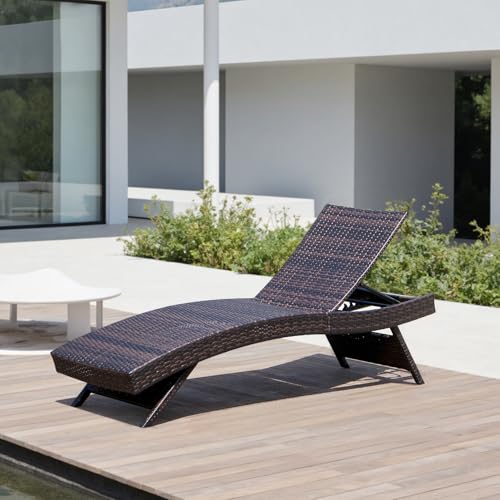
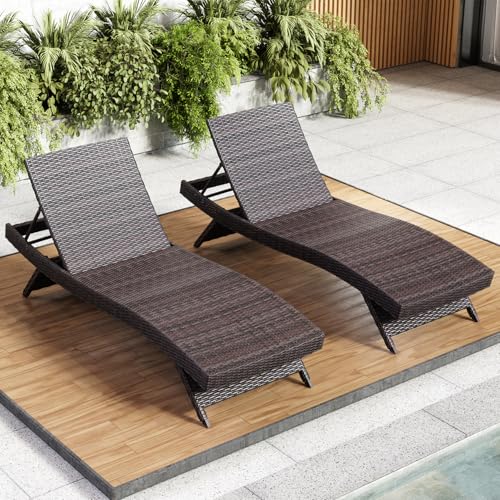
For poolside relaxation, a wicker chaise longue with an adjustable back is hard to beat. These elongated loungers offer full-body support and often pair with a small side table for drinks and reading material. Our wicker chaise lounge guide explores the differences between single and set configurations.
Egg and Hanging Chairs
The cocooning shape of a wicker egg chair has become a design staple, offering a sense of privacy and a striking focal point. These are best for covered areas or mild climates where the chair can be protected from driving rain. See our wicker egg chair guide for suspension and frame considerations.
Modern Low-Profile Loungers
Clean lines, wide arms, and low backs define the contemporary wicker look. These pieces pair well with minimalist and modern patio schemes and often feature tighter, more uniform weaves.
Wicker Lounge Chair Comparison by Tier
The table below organizes wicker lounge chairs by market tier rather than by any numeric figure, so you can match a category to your needs and setting.
| Tier | Typical Construction | Best For | Durability Outlook |
|---|---|---|---|
| Entry-level | Light synthetic weave over tubular steel | Covered porches, seasonal use, first outdoor setup | Solid for sheltered use; requires care in harsh weather |
| Mid-range | PE resin weave over powder-coated aluminum | Year-round patios, family use, balanced investment | Good weather resistance; dependable long-term performance |
| Premium | High-density HDPE weave, fully welded aluminum frame | Full sun exposure, poolside, design-forward spaces | Excellent fade and moisture resistance; built to last |
| Luxury | Hand-finished weave, reinforced frame, performance cushions | Statement seating, resort-style decks, long-term ownership | Flagship-level materials and craftsmanship |
Across every tier, the difference between a chair that lasts and one that does not usually comes down to frame welds, weave density, and cushion fabric quality. A mid-range model with a well-made aluminum frame will often outperform a higher-tier chair with a weaker frame — so read the construction details carefully rather than relying on tier labels alone.
Care and Maintenance for Long-Lasting Wicker
Synthetic wicker is remarkably low-maintenance, but a few simple habits will keep your chair looking new for years.
- Rinse and wipe regularly: A damp cloth removes dust and pollen before it settles into the weave. For deeper cleaning, a mild soap solution and a soft brush work well.
- Protect during harsh weather: Even weather-resistant wicker benefits from a cover during storms or extended off-season storage. Our guide to waterproof outdoor wicker furniture covers explains how to choose a breathable, fitted cover.
- Store cushions properly: Cushions are the most vulnerable component. Bring them inside or store them in a dry, ventilated container when not in use. A waterproof outdoor storage box is a practical solution for keeping cushions dry and ready.
- Check hardware seasonally: Tighten bolts and inspect welds at the start of each season. A quick once-over prevents small issues from becoming structural problems.
For a broader seasonal maintenance routine, our weatherproofing guide covers fabric protection, frame care, and storage strategies for all types of outdoor furniture.
A Practical Buying Checklist
Before you commit to a wicker lounge chair, run through these checkpoints:
- Measure your space: Confirm the chair's footprint fits your patio or balcony with room to walk around it.
- Confirm the weave material: Synthetic resin for exposed outdoor use; natural rattan for sheltered settings.
- Inspect the frame: Powder-coated aluminum or high-grade steel with welded joints.
- Evaluate the cushions: High-density foam with removable, performance-fabric covers.
- Test the comfort: Sit in the chair if possible — check back support and seat depth.
- Plan for storage: Decide where cushions and the chair will live during off-season months.
- Match your style: Choose a silhouette that complements your existing outdoor furniture and color palette.
Pro tip: pair with a matching set
If you are furnishing a whole seating area, buying a coordinated set often yields better visual cohesion than mixing pieces. Explore our wicker furniture set overview to see how lounge chairs fit into complete arrangements.
Frequently Asked Questions
Is synthetic wicker better than natural rattan for outdoor use?
For fully exposed outdoor settings, synthetic PE or HDPE resin is generally the better choice because it resists moisture, UV fading, and cracking. Natural rattan is beautiful and authentic but performs best in covered or sheltered locations with limited rain exposure.
How do I know if a wicker lounge chair is well made?
Check three things: the frame material (powder-coated aluminum or high-grade steel is ideal), the weave tightness (uniform with no loose strands), and the joints (welded rather than spot-welded). Sit in the chair and gently rock it — a well-built piece feels solid with no wobble or creaking.
Can wicker lounge chairs stay outside all year?
Synthetic wicker chairs with aluminum frames are designed for year-round outdoor use in most climates. However, cushions should be brought inside or stored in a dry container during heavy rain and off-season months to preserve their shape and fabric integrity.
What cushions work best with a wicker lounge chair?
Choose high-density foam cushions with removable covers made from solution-dyed acrylic or similar performance fabric. These resist fading and mildew and are easy to clean. See our guide to weather-resistant patio furniture cushions for detailed fabric recommendations.
How do I clean a wicker lounge chair?
Wipe the weave with a damp cloth and mild soap solution, using a soft brush for crevices. Rinse with clean water and allow to air dry. Avoid harsh chemical cleaners, which can degrade the synthetic fibers over time.
Ready to Choose Your Wicker Lounge Chair?
You now have the framework to evaluate any wicker lounger you encounter — from weave material and frame construction to cushion quality and style fit. The curated selection below features highly rated wicker lounge chairs across different tiers, so you can compare options and find the one that suits your space.