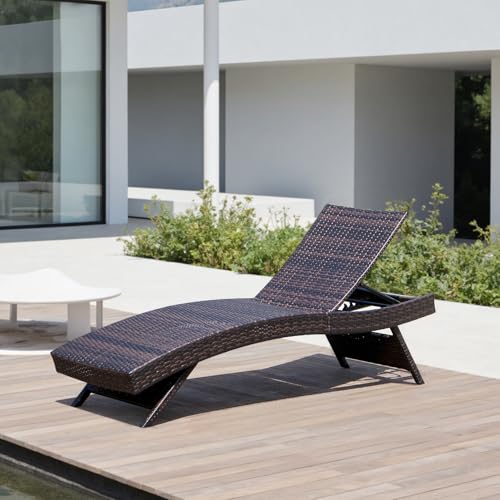
Wicker Chaise Lounge: The Complete Buying & Style Guide
Everything you need to choose a wicker chaise lounge that fits your patio, complements your style, and delivers lasting comfort season after season.
START THE GUIDEWhy this guide matters: A wicker chaise lounge is one of the most rewarding outdoor purchases you can make — but the category is broader than it looks. Frame materials, weave quality, recline mechanisms, and cushion specifications all vary dramatically between tiers. This guide walks you through every decision point so you can buy with confidence and enjoy your lounger for years.
What Exactly Is a Wicker Chaise Lounge?
A wicker chaise lounge is an elongated outdoor seat designed for full-body reclining — typically with an adjustable backrest that lets you move from an upright reading position to a nearly flat sunbathing position. The "wicker" label refers to the woven construction technique, which today is almost always executed in synthetic resin rather than traditional plant fibers.
This distinction matters. Genuine natural wicker (rattan, willow, reed) is beautiful but requires diligent protection from moisture and UV exposure. Modern synthetic wicker — often called all-weather rattan or PE wicker — is engineered to resist fading, cracking, and mildew, making it the dominant choice for outdoor chaise lounges. When shopping, confirm whether the product uses natural or synthetic weave; the latter is what you want for a long-term outdoor investment.
The wicker chaise lounge occupies a specific niche: it is more substantial than a folding beach lounger, more comfortable than a plastic pool chair, and more design-forward than a basic aluminum frame model. It is the piece you place poolside, on a sunny deck corner, or beneath a pergola where relaxation is the priority.
Why Choose a Wicker Chaise Lounge Over Other Materials?
Warm, Textural Aesthetic
Woven surfaces add visual depth and a relaxed, resort-like quality that flat metal or plastic simply cannot match. Wicker pairs naturally with wood decks, stone patios, and landscaped gardens.
Comfortable Underfoot & Against Skin
Synthetic weave stays more neutral to the touch than bare metal in strong sun, and the rounded strands feel gentler than sharp-edged frames when you shift position.
Weather-Resistant Modern Versions
High-grade PE wicker is formulated with UV stabilizers and is unaffected by rain, humidity, and salt spray — ideal for coastal and four-season climates alike.
Design Versatility
From tight, contemporary weaves to open, traditional patterns, wicker chaise lounges fit modern minimalist decks and classic cottage patios with equal ease.
Structural Integrity
Woven shells distribute weight evenly across the frame, and quality builds pair the weave with powder-coated aluminum or steel cores for real load-bearing strength.
Long Service Life
A well-built synthetic wicker lounger, protected during off-season storage, can serve comfortably for many seasons — a genuine long-term investment for your outdoor space.
Key Factors When Choosing a Wicker Chaise Lounge
1. Frame Construction and Core Material
The frame is the skeleton that determines how long your chaise lounge holds its shape. Three core materials dominate the market:
- Powder-coated aluminum: The gold standard for outdoor wicker furniture. Lightweight, rust-proof, and strong enough to support adult users without flexing. Look for a thick-gauge aluminum tube rather than thin-wall construction.
- Powder-coated steel: Heavier and very rigid, but vulnerable to rust if the coating chips. Choose this only when the finish quality is clearly high-grade.
- Wood or rattan core: Found in more traditional or decorative builds. Attractive, but requires more careful moisture management and is less common in fully outdoor-rated chaise lounges.
For a chaise lounge specifically, the frame must handle a long lever arm — the full length of your body cantilevered from the pivot point. Thin frames will sag at the foot end over time. A solid build with reinforced joints at the recline hinge is the single most important quality signal in this category.
2. Weave Quality and Density
Not all synthetic wicker is created equal. Examine the weave in three ways:
- Strand thickness: Thicker strands generally indicate a more durable, heavier-duty weave, though very fine weaves can also be premium when tightly executed.
- Weave tightness: A tight, consistent pattern resists snagging and prevents the weave from loosening over seasons of use.
- UV stabilization: Reputable manufacturers explicitly state UV resistance. Without it, dark-colored wicker can fade noticeably within a couple of summers.
A well-specified weave should feel firm and slightly flexible — never brittle. If strands feel chalky or stiff, the material is likely lower-grade. Quality wicker also resists mold and mildew growth, which is critical for humid climates. Pair your lounger with a proper waterproof wicker furniture cover to protect the weave during extended off-season periods.
3. Recline Mechanism and Adjustability
The recline mechanism is where tiers of quality diverge most visibly. Entry-level wicker chaise lounges often use a simple notched backrest that locks into three to five preset angles. Mid-range and premium models introduce smoother ratchet systems or gas-strut-assisted adjustments that let you dial in a precise angle with one hand.
Consider how you will actually use the lounger. Readers want a stable upright position that doesn't slip; sunbathers want a near-flat recline. Multi-position mechanisms are worth prioritizing if the lounger will be shared among household members with different preferences. Also check the hinge hardware itself — metal-on-metal joints with plastic bushings wear faster than reinforced metal pivots.
4. Cushioning and Fabric Specification
Most wicker chaise lounges are sold either bare or with a thin cushion pad. If a cushion is included, verify the fabric rating: solution-dyed acrylic and polyester blends are the standard for fade and moisture resistance. Quick-dry foam cores prevent the soggy-seat problem that plagues open-cell foam in humid weather.
If you plan to add your own cushion, measure the seat platform carefully — chaise lounge cushions come in standard lengths, and a mismatched pad ruins the ergonomics of an otherwise excellent lounger. Our guide to waterproof outdoor seat cushions covers fabric and fit considerations in detail. For long-term protection, a weather-resistant fabric for outdoor cushions is the specification to look for on the label.
5. Dimensions and Footprint
Chaise lounges are long. Standard lengths range from roughly 70 to 80 inches when fully reclined, and width typically runs 24 to 30 inches. Before committing, map the footprint on your deck or patio with painter's tape — including the clearance needed to walk around the foot end. On compact balconies, a narrower single lounger or a folding-back design may be the only practical option.
Seat height also matters. Lower platforms feel more lounge-like but are harder to rise from for guests with limited mobility. Higher platforms with a slight recline are easier to enter and exit — a consideration worth weighing if the lounger will serve older family members.
Wicker Chaise Lounge Tiers Compared
Because quality varies enormously within this category, it helps to think in tiers rather than in individual products. The table below maps the tier system used throughout this guide to construction, mechanism, and best-use scenarios.
| Tier | Frame & Weave | Recline Mechanism | Best For |
|---|---|---|---|
| Entry-Level | Thinner aluminum or steel frame; basic PE weave; fewer weave patterns | Notched backrest with preset angles | Occasional use, covered patios, seasonal placement |
| Mid-Range | Solid aluminum core; tighter, UV-stabilized weave; reinforced joints | Multi-position ratchet or smooth glide system | Regular family use, poolside placement, shared loungers |
| Premium | Heavy-duty aluminum; dense premium weave; sealed hardware | One-hand adjustable ratchet with fine angle control | Daily use, full-sun exposure, coastal and humid climates |
| Luxury | Commercial-grade construction; designer weave patterns; integrated cushion systems | Gas-assisted or premium multi-lock recline | Hospitality-standard comfort, curated outdoor spaces, long-term investment |
Mid-range models usually offer a noticeably smoother recline action and more consistent weave than entry-level builds, while premium and luxury tiers add refinement in hardware and finish rather than a dramatic functional jump. Match the tier to how often the lounger will actually be used, not to how it looks on the showroom floor.
Styling Your Wicker Chaise Lounge
Wicker's neutral, textural quality makes it an unusually forgiving design anchor. A few placement principles will get you most of the way:
- Pair with a side table: A small weatherproof outdoor side table at the head end holds a drink and a book without crowding the footprint. Wicker pairs especially well with matching rattan or metal side tables.
- Anchor with a rug: An outdoor rug under the lounger visually defines the relaxation zone and prevents the furniture from "floating" on a large deck. Choose a flat-weave polypropylene rug for drainage.
- Layer shade thoughtfully: A chaise lounge in full afternoon sun becomes unusable without shade. A weighted umbrella base keeps a cantilever or market umbrella stable — our guide to weighted patio umbrella stands with wheels covers mobility and stability trade-offs.
- Keep cushions protected: When the lounger is not in use, store cushions in a waterproof outdoor storage box for cushions to extend fabric life and prevent mildew.
- Coordinate with existing wicker: If your patio already includes wicker seating, a chaise lounge in a matching weave color unifies the space. Browse our wicker patio chairs and wicker lounge chairs for companion pieces.
Color strategy matters too. Natural honey and light gray weaves blend into garden settings and read as timeless; dark espresso and charcoal weaves create stronger contrast and suit modern, architectural patios. Whichever you choose, confirm the weave is UV-stabilized — dark colors fade most visibly when protection is absent.
Care and Maintenance for Longevity
Synthetic wicker is low-maintenance, but "low" is not "none." A simple routine keeps the weave tight and the frame sound:
- Routine cleaning: Rinse with a garden hose and wipe with a mild soap solution every few weeks during the season. Avoid abrasive brushes, which can fray strand surfaces.
- Address spills promptly: Sugary drinks and oils attract insects and stain cushions. Blot immediately and clean the weave with a soft cloth.
- Inspect hardware seasonally: Check recline hinges and bolts at the start of each season. Tighten loose fasteners and lubricate metal pivots lightly if the mechanism feels stiff.
- Protect during off-season: Even weather-resistant wicker benefits from a breathable cover during winter or extended non-use. A weatherproof wicker furniture cover prevents standing water and debris accumulation.
- Store cushions separately: Cushions trap moisture against the weave. Remove them and store in a dry, ventilated space — or a waterproof outdoor storage cabinet with shelves — when not in use.
- Manage sun exposure: While UV-stabilized weave resists fading, rotating the lounger periodically prevents uneven sun bleaching on one side.
If your patio receives heavy rain or salt spray, review our broader weatherproofing guide for strategies that apply across all outdoor furniture.
Common Buying Mistakes to Avoid
- Ignoring the frame under the weave: A beautiful weave over a thin frame will sag within a season. Always check the stated frame material and gauge.
- Buying a single lounger for a shared space: If two people will use the patio regularly, a pair — or a set such as a wicker chaise lounge chair set of 2 — prevents daily negotiation over the one comfortable seat.
- Overlooking cushion compatibility: If the lounger ships without a cushion, confirm the platform dimensions before ordering a pad separately.
- Placing without shade planning: An unshaded chaise in direct afternoon sun is a decoration, not a seat. Plan umbrella or pergola coverage at the same time you plan the lounger.
- Skipping off-season storage: Even premium wicker lasts noticeably longer when covered or stored during the off-season.
Frequently Asked Questions
Is synthetic wicker better than natural rattan for an outdoor chaise lounge?
For outdoor use, yes. Synthetic PE wicker is formulated to resist UV fading, moisture, and mildew, and it does not dry out or crack the way natural rattan can. Natural rattan remains a beautiful choice for covered porches, but a fully exposed patio chaise lounge is best served by all-weather synthetic weave.
How do I know if a wicker chaise lounge frame is strong enough?
Check the stated frame material and look for powder-coated aluminum with reinforced joints at the recline hinge. A solid frame should not flex when you press down on the foot end of the lounger. If product details are vague about the frame, that is a signal of lower construction confidence.
Can a wicker chaise lounge stay outside all year?
A premium synthetic wicker lounger with a powder-coated aluminum frame can remain outdoors year-round in most climates, provided cushions are stored separately during wet or cold months. In regions with heavy snow or prolonged freezing, covering the lounger or storing it in a sheltered space is still recommended to protect the weave and hardware.
What size cushion fits a wicker chaise lounge?
Chaise lounge cushions typically run 70 to 80 inches in length and 22 to 26 inches in width, but dimensions vary by lounger. Measure the flat platform length and the widest point of the seat before ordering. A cushion that is too long will bunch at the hinge and interfere with the recline mechanism.
Do wicker chaise lounges require assembly?
Most ship partially assembled, with legs or the recline mechanism requiring attachment. Assembly is typically straightforward — bolts and an Allen key — but check the product listing for the number of components. If the lounger will sit on a balcony or upper deck, assemble it near the final location before moving it into place.
How does wicker compare to aluminum or teak chaise lounges?
Aluminum loungers are lighter and more minimalist in appearance; teak offers a warm, natural wood grain with excellent longevity when maintained. Wicker's advantage is textural comfort and design warmth, plus a softer feel against the body than bare metal. All three materials perform well outdoors when built to a comparable tier.
Ready to decide? With frame material, weave quality, recline mechanism, and cushion compatibility clarified, you are in a strong position to choose a wicker chaise lounge that fits your patio and your routine. Use the recommended products below to compare specific models across the tiers described in this guide.