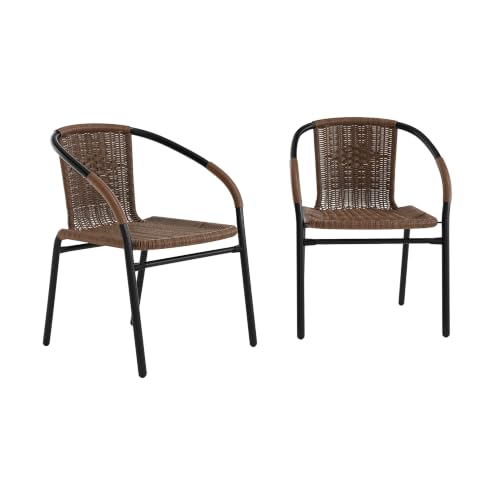
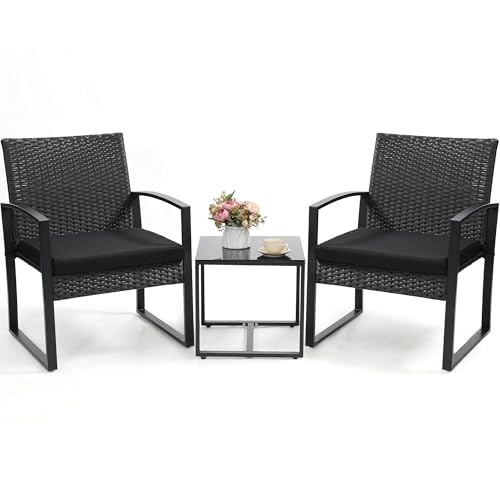
The Essential Wicker Chair Buying Guide
Discover everything you need to know about wicker chairs — from materials and durability to style and care. Find the perfect piece for your patio, porch, or garden.
What Is a Wicker Chair? Understanding the Material
A wicker chair is a timeless piece of outdoor furniture known for its woven texture and lightweight feel. However, the term "wicker" actually refers to the weaving process, not the material itself. Traditionally, wicker was made from natural materials like rattan, bamboo, or willow. Today, most outdoor wicker chairs use synthetic resin or all-weather wicker — a durable, weather-resistant material designed to withstand sun, rain, and humidity.
Whether you're looking for a wicker patio furniture set or a single accent piece, understanding the difference between natural and synthetic wicker is essential. Natural wicker offers a classic, organic look but requires more maintenance and is best suited for covered porches or indoor use. Synthetic wicker, on the other hand, is built for the outdoors and can last for many years with minimal care.
Types of Wicker Chairs: Find Your Perfect Style
Wicker chairs come in a wide range of styles to suit every outdoor space. Here are the most popular types:
- Wicker Dining Chairs: Perfect for outdoor dining sets. These chairs often feature high backs and comfortable armrests. Ideal for al fresco meals and family gatherings.
- Wicker Lounge Chairs: Designed for relaxation. These are deeper, wider, and often come with plush cushions for maximum comfort. Perfect for pool lounge chairs or garden retreats.
- Wicker Rocking Chairs: A classic choice for porch swing enthusiasts. The gentle rocking motion adds a soothing element to your outdoor experience.
- Wicker Bar Stools: Great for outdoor bar stools. These add a touch of coastal or bohemian flair to your patio bar or kitchen island.
- Wicker Accent Chairs: Smaller, versatile chairs that can be placed anywhere — from a reading nook to a cozy corner of the garden.
When choosing a style, consider the primary use of the chair. Will it be used for dining, lounging, or as a decorative accent? Also, think about the overall aesthetic of your outdoor space. Wicker blends beautifully with coastal, bohemian, rustic, and even modern design themes.
Natural Wicker vs. Synthetic Wicker: Which Is Better?
This is one of the most important decisions you'll make when buying a wicker chair. Both options have their strengths, but they serve different purposes.
| Feature | Natural Wicker (Rattan/Bamboo) | Synthetic Wicker (Resin/All-Weather) |
|---|---|---|
| Durability | Moderate; susceptible to cracking and fading in direct sunlight | High; UV-resistant, waterproof, and built to last |
| Maintenance | Requires regular cleaning, sealing, and protection from moisture | Low maintenance; easy to clean with soap and water |
| Best For | Indoor use, covered porches, or temperate climates | Outdoor use in any weather condition |
| Price Range | $200 – $800+ | $150 – $600+ |
| Eco-Friendliness | Biodegradable and renewable | Not biodegradable, but can be recycled |
For most outdoor applications, synthetic wicker is the clear winner. It offers superior durability and weather resistance, making it ideal for outdoor furniture that stays outside year-round. If you love the look of natural rattan and plan to use the chair in a covered or indoor space, natural wicker can be a beautiful and sustainable choice.
Comfort and Cushions: What to Look For
While the wicker frame provides structure and style, the cushions determine the comfort level of your chair. Most wicker chairs come with removable cushions that are either included or sold separately.
When evaluating cushions, consider the following:
- Foam Density: High-density foam provides better support and retains its shape longer. Look for foam with a density of at least 1.8 lb/ft³ for optimal comfort.
- Fabric: Choose solution-dyed acrylic or olefin fabrics. These are fade-resistant, water-repellent, and breathable. They are also easier to clean and maintain.
- Thickness: Seat cushions should be at least 4–5 inches thick for prolonged sitting comfort. Back cushions can be thinner but should provide adequate lumbar support.
- Removability: Cushions with removable, machine-washable covers make cleaning a breeze — especially important for outdoor furniture.
Some premium wicker chairs also feature adjustable backrests or ergonomic designs that enhance comfort. If you're planning to spend long hours lounging or entertaining, investing in a chair with excellent cushioning is well worth it.
How to Care for Your Wicker Chair
Proper maintenance ensures that your wicker chair remains beautiful and functional for many seasons. The good news: synthetic wicker is incredibly easy to maintain.
- Regular Cleaning: Wipe down the wicker with a soft cloth or sponge soaked in mild soap and water. Rinse with a hose and allow to air dry. Avoid using abrasive cleaners or brushes.
- Deep Cleaning: For stubborn dirt or mildew, mix one part white vinegar with two parts water. Apply with a soft brush, scrub gently, and rinse thoroughly.
- Protection: While synthetic wicker is weather-resistant, using weatherproofing products can add an extra layer of protection. Apply a UV protectant spray every few months to prevent fading.
- Storage: If you live in an area with harsh winters, consider storing your wicker furniture in a garage, shed, or using outdoor furniture covers to protect it from snow and ice.
For natural wicker chairs, the maintenance is more intensive. They should be kept out of direct sunlight and rain as much as possible. Regular dusting and occasional application of linseed oil can help preserve the natural fibers.
Smart Shopping Tips for Wicker Chairs
With so many options on the market, finding the perfect wicker chair can be overwhelming. Here are some practical tips to help you make the best choice:
- Measure Your Space: Before you buy, measure the area where the chair will be placed. Ensure there's enough room for the chair itself and for comfortable movement around it.
- Check the Weight Capacity: Most standard wicker chairs support up to 250–300 lbs. For heavier users, look for models with reinforced frames and higher weight limits.
- Inspect the Frame: For synthetic wicker, the frame is typically made of aluminum or steel. Aluminum is lightweight and rust-proof, making it ideal for outdoor use. Steel is heavier and may require a rust-resistant coating.
- Test the Weave: A tight, uniform weave indicates high-quality craftsmanship. Loose or uneven weaving can lead to sagging and premature wear.
- Read Reviews: Customer reviews can provide valuable insights into the real-world durability, comfort, and assembly process of the chair. Look for reviews that mention long-term use.
- Consider the Set: If you're buying multiple chairs, consider a patio conversation set or a outdoor dining set that includes a table. These sets often offer better value and a cohesive look.