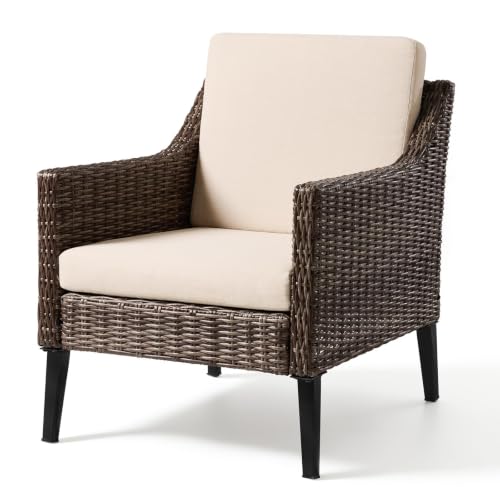
Wicker and Rattan Chairs: The Complete Buying Guide
Everything you need to choose durable, comfortable, and beautiful wicker and rattan seating for your patio, porch, sunroom, or garden — from materials and weaves to frames, cushions, and care.
What Are Wicker and Rattan Chairs?
Wicker and rattan chairs are woven seating pieces that bring texture, warmth, and a relaxed resort feel to any outdoor or semi-outdoor space. The terms are often used interchangeably, but they describe two related ideas. Rattan refers to the material — a climbing palm native to Southeast Asia — while wicker refers to the weaving technique used to shape that material (and many others) into furniture.
In practice, you will encounter three main categories when shopping:
- Natural rattan chairs — woven from the rattan vine, prized for their organic grain and warm color. Best suited to covered porches, sunrooms, and indoor spaces.
- Synthetic resin wicker chairs — extruded from weather-resistant resin and woven over a metal frame. The standard choice for uncovered patios and decks.
- Hybrid and paper-cord weaves — alternative materials that mimic the look of rattan with varying levels of weather resistance.
If you are still mapping out your overall seating plan, our broader guide to wicker furniture covers coordinating pieces such as sofas, coffee tables, and dining sets.
Natural Rattan vs Synthetic Wicker: Which Should You Choose?
The single most important decision in buying wicker and rattan chairs is the material. It determines how the chair performs outdoors, how long it lasts, and how much maintenance it needs. The comparison below summarizes the trade-offs.
| Factor | Natural Rattan | Synthetic Resin Wicker |
|---|---|---|
| Weather resistance | Low — swells, warps, and mildews with prolonged moisture | High — resists rain, UV fading, and mildew when properly finished |
| Best placement | Covered porch, sunroom, indoor living room | Patio, deck, balcony, poolside, garden |
| Appearance | Organic grain, subtle color variation, warm tone | Uniform weave, consistent color, available in many finishes |
| Maintenance | Occasional oiling, keep dry, avoid direct sun | Wipe or hose down; minimal upkeep |
| Lifespan outdoors | Short to moderate without shelter | Long with quality resin and a rust-resistant frame |
| Typical tier | Mid-range to premium (craft-dependent) | Starter tier to luxury (resin density varies) |
How to Spot Quality Synthetic Wicker
- Weave consistency — strands should be tight, even, and free of gaps or loose ends.
- Resin density — higher-density resin resists cracking and UV fading; ask whether the weave is HDPE (high-density polyethylene).
- Color-through pigment — quality resin is colored throughout, not painted, so scratches are less visible.
- Frame underneath — the weave is only as good as the frame it covers; look for aluminum rather than thin steel.
Frame Materials and Construction
The frame is the structural backbone of any wicker and rattan chair. It is largely hidden, but it determines weight capacity, stability, and how the chair ages. There are three common frame types:
- Powder-coated aluminum — lightweight, rust-resistant, and the gold standard for outdoor wicker chairs. Ideal for balconies and decks where portability matters.
- Steel — strong and stable but heavier; requires a quality rust-proof finish to survive outdoors.
- Natural wood or rattan pole frames — traditional and beautiful, common in natural rattan chairs and indoor pieces, but more sensitive to humidity.
Inspect the underside and back of the chair where the weave meets the frame. A solid build will show a continuous frame, reinforced joints, and no exposed sharp edges. Chairs that flex or creak under light pressure are a warning sign regardless of how attractive the weave appears.
For chairs that will live outdoors permanently, pair them with appropriate protection — our guide to waterproof outdoor wicker furniture covers explains how to size and fit covers correctly.
Chair Styles and How to Choose
Wicker and rattan chairs come in several silhouettes, each suited to a different role in your outdoor layout. Match the style to how you plan to use the space rather than to trends alone.
Dining Chairs
Upright back, armless or low-arm designs that tuck under a table. Wicker dining chairs pair naturally with glass-top and wood-top tables. If you are building a full set, our wicker outdoor dining set guide covers table-and-chair pairings and umbrella options.
Lounge Chairs
Deeper seats, reclined backs, and often wider arms. These are the chairs you sink into with a book. Consider a wicker lounge chair if relaxation is the priority, or a wicker chaise lounge for full-length sunbathing.
Egg and Hanging Chairs
Statement pieces that add a playful, cocooning feel. A wicker egg chair works well in a reading corner or on a sheltered balcony, while a wicker hanging chair requires a verified ceiling or beam anchor point.
Accent and Occasional Chairs
Smaller silhouettes that fill gaps and add seating without crowding. They work well alongside a wicker loveseat or a full wicker furniture set.
Bar and Counter Stools
Tall woven seating for outdoor bars and high counters. Our wicker bar stools guide covers height matching and footrest considerations.
Quality Tiers and What They Mean
To help you compare chairs without relying on transient market figures, we classify wicker and rattan chairs into three consistent quality tiers. These descriptors reflect position in the market and construction quality, not any specific figure.
Entry-Level and Starter Tier Chairs
Typically feature thinner resin strands, lighter frames, and simpler cushions. Suitable for occasional use, seasonal setups, and renters who need flexible, lightweight seating. Expect a shorter service life under continuous sun and rain.
Best for: balconies, temporary setups, first outdoor spaces.
Mid-Range Chairs
Offer denser resin weave, powder-coated aluminum frames, and better joint construction. Comfort improves noticeably, and the chairs hold their shape through multiple seasons. This tier usually represents the sweet spot for most households.
Best for: year-round patios, family decks, everyday dining and lounging.
Premium and High-End Tier Chairs
Feature commercial-grade resin, precision weaving, reinforced frames, and premium cushion foams. These chairs are built for heavy use, hospitality settings, and long-term outdoor exposure. Natural rattan at this tier is hand-finished and tightly woven.
Best for: primary outdoor living rooms, poolside lounges, and buyers making a long-term investment.
Cushions, Comfort, and Fit
Wicker and rattan seats are firm by design; the weave provides structure, not softness. Cushions are what turn a decorative chair into a chair you actually want to sit in for an hour. Pay attention to three things: seat depth, cushion thickness, and fabric performance.
- Seat depth — dining chairs generally suit a shallower seat, while lounge chairs need enough depth to support the back of the thighs without cutting behind the knees.
- Cushion thickness — thicker quick-dry foam cushions improve comfort but can make tight dining arrangements feel cramped.
- Fabric performance — solution-dyed acrylics and performance polyester resist fading and mildew far better than standard fabrics.
If your chairs will stay outside, invest in proper cushion protection. Our guides to weather-resistant patio furniture cushions and waterproof seat cushions for outdoor furniture explain fabric ratings and fit in detail.
When the original cushions wear out, replacement is straightforward. See our guide to wicker patio furniture replacement cushions for sizing tips and material recommendations.
Indoor vs Outdoor Use
Wicker and rattan chairs blur the line between indoor and outdoor design, which is part of their appeal. The key is to match the chair's material to the environment it will actually live in.
- Uncovered patio or deck: synthetic all-weather wicker on an aluminum frame, with quick-dry cushions.
- Covered porch: either natural rattan or synthetic wicker works; natural rattan shines here.
- Sunroom: natural rattan or wicker indoor furniture with standard cushions.
- Living room or bedroom: natural rattan and indoor wicker pieces offer texture without weather concerns.
If you plan to use the same chair indoors and out, remember that humidity and temperature swings accelerate wear. Covers and dry storage during off-season months make a meaningful difference — see our weatherproofing guide for a seasonal routine.
Care, Cleaning, and Storage
Wicker and rattan chairs are low-maintenance when matched to the right environment, but they do need a simple routine. The guidance below applies to synthetic wicker; natural rattan requires a gentler approach.
Routine Cleaning (Synthetic Wicker)
- Vacuum or brush loose debris from the weave with a soft brush.
- Wipe with a damp cloth and mild soapy water.
- Rinse with a garden hose at low pressure and let the chair dry fully in the sun.
- Check the frame joints and touch up any chips in the powder coating.
Cleaning Natural Rattan
- Dust regularly with a soft brush or vacuum on low suction.
- Wipe with a barely damp cloth; avoid soaking the weave.
- Keep out of prolonged direct sun to prevent drying and cracking.
- Apply a suitable rattan oil occasionally to maintain flexibility and color.
Seasonal Storage
During off-season months or severe weather, move chairs into a dry, covered space. If that is not possible, use fitted covers and elevate the legs slightly to prevent standing water. Our guide to waterproof outdoor storage covers cabinet and box options for cushions and small accessories.
Buying Checklist
Before you commit to a set of wicker and rattan chairs, run through this checklist. It is designed to catch the most common sources of buyer regret.
- Confirm the weave material: natural rattan, synthetic resin wicker, or a hybrid.
- Check the frame: powder-coated aluminum for outdoor use; reinforced joints and no exposed edges.
- Measure your space: include clearance for pulling chairs in and out from a table.
- Test the seat depth and height: match to your table height for dining chairs.
- Review cushion specifications: quick-dry foam and solution-dyed fabric for outdoor use.
- Match the tier to your use: mid-range for daily use, top-tier for high-traffic or poolside.
- Plan for protection: covers, storage, and a seasonal cleaning routine.
- Check weight capacity and portability: relevant for balconies and renters.
If you are furnishing a full outdoor room, coordinate your chairs with a wicker coffee table or wicker end tables so the weave style and finish stay consistent across the set.
Ready to Choose Your Wicker and Rattan Chairs?
Use the checklist above to shortlist chairs that match your space, climate, and comfort needs. Our product recommendations below are selected to help you compare options within each quality tier.
Explore Recommended OptionsFrequently Asked Questions
Is wicker or rattan better for outdoor chairs?
For outdoor use, synthetic wicker (often called all-weather resin wicker) is generally the better choice because it resists moisture, UV fading, and mildew. Natural rattan is beautiful but performs best in covered porches or sunrooms where it is protected from direct rain and strong sun.
How do I tell the difference between natural rattan and synthetic wicker?
Natural rattan has an organic grain, slight color variation, and a warm texture that can flex slightly. Synthetic wicker is uniform in color and weave, feels cooler and smoother, and is typically heavier with a rigid metal frame beneath the weave.
Do wicker and rattan chairs need cushions?
Most wicker and rattan chairs benefit from seat cushions for comfort, especially dining and lounge styles. Choose weather-resistant outdoor cushions with quick-dry foam and removable, washable covers if the chair will be exposed to the elements.
How should I clean wicker and rattan chairs?
Dust regularly with a soft brush or vacuum, then wipe with a damp cloth and mild soap. Rinse synthetic wicker with a garden hose and let it dry fully. Avoid harsh chemicals and keep natural rattan away from prolonged moisture.
Can wicker and rattan chairs stay outside all year?
Synthetic all-weather wicker chairs can stay outdoors year-round in most climates, though covers extend their lifespan. Natural rattan should be moved indoors or into a covered, dry space during harsh weather.