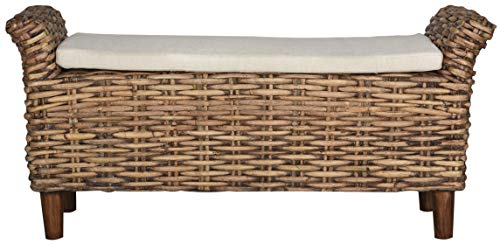
Wicker Bench Buying Guide: Styles, Materials & Placement Tips
A wicker bench brings together the warmth of woven texture and the practicality of outdoor seating. Whether you are finishing a porch, dressing a garden path, or adding a quiet reading spot to a deck, this guide walks you through weave types, frame construction, cushion choices, and layout planning so you can select a bench that fits your space and your lifestyle.
What Is a Wicker Bench?
A wicker bench is a seat built from woven material, typically stretched over a rigid frame. The weave is what gives wicker its unmistakable look: interlaced strands that create texture, airflow, and visual depth. Benches in this category range from compact two-seaters intended for a balcony to long backless benches that anchor a garden border.
Unlike solid wood or metal benches, wicker seats are usually lighter and more forgiving on the eye, which makes them a natural fit for relaxed outdoor settings. The woven surface also stays cooler in direct sun than bare metal, and it flexes slightly under weight for a more comfortable sit. If you are still comparing seating categories, our overview of wicker furniture explains how benches fit alongside chairs, sofas, and tables.
Natural vs Synthetic Wicker: Which Weave Suits Your Space?
The single most important decision you will make is the weave material. It drives durability, maintenance requirements, and how the bench behaves through the seasons.
Natural Wicker
Natural wicker is woven from plant fibers such as rattan, willow, bamboo, seagrass, or water hyacinth. It has a warm, organic appearance that synthetic versions try hard to imitate. Natural wicker works beautifully on covered porches, sunrooms, and indoor entryways where it is protected from rain and harsh sun.
- Warm, authentic texture that improves with age
- Should be kept under cover or brought indoors during wet seasons
- Needs periodic moisture checks to prevent drying and cracking
- Best suited to sheltered or semi-sheltered placements
Synthetic Wicker
Synthetic wicker is made from resin, polyethylene, or PVC strands woven over a metal frame. It is engineered specifically for outdoor exposure and handles rain, humidity, and UV light far better than natural fibers. Most uncovered patio and garden benches sold today use synthetic weave.
- Resists moisture, fading, and temperature swings
- Rinses clean with a garden hose and mild soap
- Holds color longer in direct sunlight
- Suitable for fully exposed decks and patios
| Feature | Natural Wicker | Synthetic Wicker |
|---|---|---|
| Weather exposure | Sheltered only | Full outdoor exposure |
| Maintenance level | Moderate to high | Low |
| UV resistance | Limited | High |
| Look and feel | Organic, warm, artisanal | Uniform, modern, consistent |
| Lifespan outdoors | Shorter without cover | Long-term with basic care |
If your bench will live on an open patio, synthetic wicker is the safer bet. If it sits on a covered porch and you value the natural aesthetic, natural wicker can work well with a little attention. Pairing either weave with a weatherproof outdoor bench design is a smart way to extend service life regardless of material.
Frame Construction Explained
The frame is the skeleton that holds the weave and carries the load. A beautiful weave over a weak frame will sag or wobble within a season, so check the frame before you fall in love with the surface.
Aluminum Frames
Powder-coated aluminum is the most common choice for outdoor wicker benches. It is lightweight, will not rust, and moves easily when you want to rearrange the patio. Look for a powder-coated finish rather than bare metal, since the coating protects the aluminum from scratches and oxidation.
Steel Frames
Steel frames are heavier and extremely stable, which suits larger benches and high-traffic seating areas. The trade-off is weight and the need for a reliable rust-proof finish. A well-coated steel frame can last many years, but any chip in the coating should be touched up promptly.
Wood Frames
Solid wood frames, often paired with natural wicker, deliver a traditional furniture look. They need periodic sealing to resist moisture, and they are typically reserved for covered porches or indoor use.
Bench Styles & Configurations
Wicker benches come in several shapes, and the right one depends on where the bench will sit and how many people will use it.
Backless Benches
Backless benches are compact and visually light. They slide under tables, tuck against walls, and work well as foot-of-bed seating or garden path accents. If you need flexible seating that can double as a surface for trays or plants, a backless design is hard to beat.
Benches With Backrests
A backrest turns a bench into a proper lounging seat. These designs suit porches and patios where people linger, read, or enjoy a morning coffee. Backrest height and angle vary, so test the lean if possible.
Storage Benches
Some wicker benches hide a compartment under the seat. This is a practical option for storing cushions, throws, or garden tools. If storage is a priority, explore dedicated waterproof outdoor storage bench options that combine seating with weather-resistant compartments.
Corner & Curved Benches
Curved and corner wicker benches wrap around a fire pit, a tree, or a patio corner. They create a natural conversation circle and make efficient use of awkward spaces. These are usually larger pieces, so measure carefully before committing.
Rocking & Swing Benches
Wicker rocking benches and hanging swing benches add motion to a porch or garden. They require sturdier frames and, for swings, a reliable mounting point. These designs are best treated as statement pieces rather than everyday dining seating.
Cushion & Comfort Options
Wicker weave alone is firm and textured. A cushion transforms the bench into something you can sit on for an hour without shifting. The cushion also protects the weave from direct body contact and reduces wear at pressure points.
Fabric Selection
Choose covers made from solution-dyed acrylic or olefin. These fabrics resist fading, mildew, and moisture far better than standard upholstery. Removable, zippered covers make washing straightforward, and quick-drying foam cores prevent the cushion from staying damp after rain.
Fit & Attachment
A bench cushion should match the seat depth and width without overhang that collects water. Ties, grip dots, or a non-slip backing keep the cushion from sliding when someone sits down. If you already own a bench and need new padding, wicker patio furniture replacement cushions are available in standard and custom-fit sizes.
Throw Pillows & Layering
A bench cushion plus two or three throw pillows creates a layered, inviting look. Stick to outdoor-rated pillows so they can handle humidity. In cooler months, a folded throw adds warmth without changing the bench's footprint.
Placement & Layout Ideas
Where you place a wicker bench shapes how often it gets used. A bench tucked against a wall with no view tends to go unused, while one placed with intention becomes a daily destination.
Porch & Entryway
A bench beside the front door gives guests a place to set bags or remove shoes. A two-seater with a low backrest keeps sightlines open and avoids crowding the entry. This is also a natural spot for a natural wicker bench protected by a roof overhang.
Garden Path & Border
A backless bench placed along a garden path or at the end of a border creates a visual pause. It invites visitors to sit and look at the planting rather than walk straight past. Pair it with low planters to soften the base.
Deck & Patio Seating Zone
On a deck or patio, a wicker bench works as a secondary seating piece beside a sofa or as the main seat in a compact layout. Angle it slightly toward the center of the conversation area rather than pushing it flush against a railing.
Fire Pit Circle
A curved or corner wicker bench can anchor one side of a fire pit arrangement. Keep the bench at a safe distance from open flames and check that the weave material is rated for the heat exposure of your setup.
Indoor Crossovers
Wicker benches are not limited to the outdoors. Entryways, mudrooms, sunrooms, and bedroom foot-of-bed placements all benefit from a woven bench. Indoor use removes weather concerns and opens the door to natural wicker.
Care & Maintenance
A wicker bench is low-maintenance compared with many outdoor materials, but a simple routine keeps the weave tight and the frame solid for years.
Routine Cleaning
- Dust or vacuum the weave monthly to prevent debris from settling between strands.
- Rinse synthetic wicker with a garden hose and mild soap, then air dry fully.
- Wipe natural wicker with a damp cloth rather than soaking it.
- Clean cushions according to the fabric care label; most covers are machine washable.
Seasonal Protection
- Use a fitted cover during off-season months or prolonged rain.
- Bring natural wicker indoors before freezing temperatures arrive.
- Touch up any chips in the frame coating to prevent rust.
- Store cushions in a dry, ventilated space when not in use.
For a deeper walkthrough of protective routines, our weatherproofing guide covers covers, sealants, and storage strategies for all outdoor furniture.
Step-by-Step Selection Checklist
Use this sequence to narrow your options without second-guessing yourself later.
- Measure the space. Note the available width, depth, and clearance for walking. Leave at least 24 inches of path space in front of the bench.
- Decide on exposure. Fully open patio means synthetic wicker and an aluminum frame. Covered porch allows natural wicker or wood frames.
- Choose the configuration. Backless for flexible, compact seating; backrest for lounging; storage if you need hidden compartments; curved for conversation circles.
- Confirm the frame. Powder-coated aluminum for easy moving, steel for maximum stability, wood for a traditional look on covered surfaces.
- Plan the cushion. Select a weather-resistant cover fabric, quick-dry foam, and a secure attachment method. Add outdoor throw pillows for layering.
- Check the details. Look for tight, even weave, smooth connection points, and feet that protect your deck or patio surface.
- Set a care routine. Decide who cleans what and when, and store a cover nearby for sudden weather changes.
Frequently Asked Questions
What is the difference between natural wicker and synthetic wicker?
Natural wicker is woven from plant fibers such as rattan, willow, or bamboo. It offers a warm, organic look but requires more maintenance and should be shielded from prolonged rain. Synthetic wicker is crafted from resin, polyethylene, or PVC fibers woven over a metal frame. It resists moisture, UV fading, and temperature swings far better, making it the preferred choice for uncovered outdoor settings.
Which frame material works best for a wicker bench?
Powder-coated aluminum is the most practical frame for outdoor wicker benches because it is lightweight, rust-resistant, and easy to move. Steel frames are heavier and very stable but need a high-quality rust-proof finish. Solid wood frames pair well with natural wicker for a traditional look, though they need periodic sealing.
How do I maintain a wicker bench outdoors?
Vacuum or brush the weave monthly to remove dust and debris. Rinse synthetic wicker with a garden hose and mild soap, then let it air dry. For natural wicker, avoid soaking and wipe with a damp cloth instead. During harsh winters, bring the bench indoors or use a fitted cover to protect both the weave and the frame.
Can a wicker bench be used indoors as well?
Yes. Many wicker benches are versatile enough for entryways, sunrooms, mudrooms, or bedroom foot-of-bed seating. Indoor use removes weather concerns, so natural wicker becomes a viable option. Just confirm the bench dimensions fit your interior footprint and that the style matches your room decor.
What cushion type suits an outdoor wicker bench?
Choose cushions with a weather-resistant fabric cover such as solution-dyed acrylic or olefin, and a quick-drying foam core. Look for covers with zippers for easy washing and ties or grip dots to keep the cushion in place. A bench cushion also adds comfort for longer sitting sessions and protects the weave from direct body contact.
Final Thoughts
A wicker bench is one of the most versatile seating pieces you can add to an outdoor space. It works as a quiet reading spot, a porch welcome seat, a garden accent, and a flexible extra seat when guests arrive. The key is to match the weave to the exposure, the frame to the traffic level, and the cushion to how often the bench will actually be used.
Start with your space and your routine, then choose the bench that fits both. If you are still weighing seating options, browse our wicker seating collection or compare benches with wicker patio chairs to build a cohesive outdoor seating plan.