Covering Patio Furniture for Winter: Complete Protection Guide
Your outdoor furniture is a significant investment. Learn how to shield it from snow, ice, rain, and UV damage with the right covering strategy for every material and frame type.
Winter weather is unforgiving on outdoor furniture. Freezing temperatures, snow accumulation, ice, and constant moisture can degrade cushions, corrode metal frames, warp wood, and crack resin. Covering patio furniture for winter is not just about throwing a tarp over your set—it is a systematic approach that determines whether your furniture emerges in spring looking fresh or weathered beyond repair.
This guide walks you through the complete process: choosing the right covers, preparing each furniture type, and setting up a winter storage plan that protects your outdoor living investment through the harshest months.
Key principle: The best winter protection combines a breathable, waterproof cover with proper pre-storage preparation. A cover alone cannot compensate for trapped moisture or dirty surfaces. The two must work together.
Why Covering Patio Furniture for Winter Matters
Outdoor furniture is designed for exposure, but winter introduces conditions that accelerate wear beyond normal seasonal use:
- Freeze-thaw cycles cause water trapped in wood grain or metal joints to expand and contract, leading to cracks, splitting, and loosened connections.
- Snow weight can bend thin aluminum frames, collapse fabric canopies, and stress joints on lightweight furniture.
- Ice and moisture promote rust on steel and iron, mold on cushions, and mildew on wicker and rattan surfaces.
- UV exposure continues in winter, fading fabrics and weakening synthetic materials over time.
- Debris and dirt from winter storms settle into crevices, becoming difficult to clean once spring arrives.
Proper covered outdoor furniture protection prevents these issues. Whether you own a high-end tier dining set or an entry-level patio collection, the covering strategy is the same: block moisture, allow ventilation, and minimize exposure.
Choosing the Right Winter Cover
Not all covers are created equal. The material, fit, and construction of your cover determine how well it performs through winter. Here is how to evaluate your options:
Cover Material Comparison
| Tier | Material | Best For | Key Characteristics |
|---|---|---|---|
| Entry-level | Standard polyester with PVC backing | Temporary or mild-winter protection | Lightweight, water-resistant, limited breathability |
| Mid-range | Woven polyester with waterproof coating | Most residential patio sets | Balanced breathability and water resistance, UV-treated |
| Premium | Heavy-duty marine-grade fabric | High-end tier and luxury furniture | Reinforced seams, elastic hems, superior UV and mold resistance |
| Professional-grade | Custom-fit commercial fabric | Commercial-grade or oversized sets | Tailored fit, maximum durability, multi-season lifespan |
For most homeowners, a mid-range woven polyester cover offers the best balance of protection and breathability. Premium covers are worthwhile for high-end tier furniture where the long-term investment justifies the added protection. If you have irregularly shaped pieces, consider custom outdoor covers for patio furniture to ensure a proper fit.
Fit Matters More Than Thickness
A cover that is too loose will flap in wind, allowing moisture underneath and potentially damaging the furniture surface. A cover that is too tight can trap condensation and prevent air circulation. Look for covers with elastic hems, drawstring closures, or weighted corners that secure the cover without sealing it completely.
For dining sets, a cover that extends at least four inches below the tabletop and wraps around the legs provides better protection than a tabletop-only cover. For sofas and sectionals, choose covers that accommodate the full depth of the piece, including the backrest.
Preparing Furniture Before Covering
Covering dirty or damp furniture traps moisture and grime against the surface, which can cause more damage than leaving it uncovered. Follow these preparation steps before installing any cover:
1. Clean All Surfaces
Remove dirt, pollen, and debris from frames, tabletops, and legs. Use a mild soap solution and a soft brush for metal and resin surfaces. For wood furniture, use a wood-safe cleaner and avoid soaking the surface. Wipe down all surfaces and allow them to dry completely before proceeding.
2. Remove and Store Cushions
Cushions should never stay outdoors under a cover during winter. Even breathable covers can trap enough moisture to cause mold and mildew inside cushion foam. Remove all cushions, clean them according to the manufacturer's instructions, and store them indoors in a dry, ventilated space.
If you need dedicated storage solutions, explore cushion storage options that keep cushions dry and accessible for spring. For custom cushion sets, consider outdoor cushion guide recommendations for proper care and storage.
3. Inspect and Repair
Before covering, inspect your furniture for existing damage. Touch up scratches on metal frames with rust-resistant paint. Tighten loose screws and bolts. Replace any cracked or worn components. Addressing small issues before winter prevents them from becoming major problems by spring.
4. Elevate Furniture Where Possible
If your patio surface is prone to standing water or snow accumulation, elevate furniture legs slightly using blocks or furniture risers. This prevents water from wicking up into the frame and reduces the risk of freeze-thaw damage at the base.
Material-Specific Winter Protection
Different furniture materials require slightly different approaches to winter covering. Here is how to protect each type:
Metal Furniture (Aluminum, Steel, Iron)
Aluminum resists rust naturally but can still suffer from oxidation and joint corrosion. Steel and iron require more attention—any exposed bare metal should be treated with a rust-proof finish before covering. Use a breathable cover that allows moisture vapor to escape. Avoid plastic or vinyl covers that trap condensation against metal surfaces.
For wrought iron pieces, apply a thin coat of wax or rust-inhibiting spray before covering. If your set includes a fire pit table or metal dining table, ensure the cover extends fully over the tabletop and down the sides. Related care guides such as rust removal tips can help you address any existing corrosion before winter.
Wood Furniture
Wood furniture expands and contracts with moisture changes, making winter particularly stressful. Before covering, apply a fresh coat of wood sealant or outdoor furniture oil to protect the grain. Ensure the wood is completely dry before applying any finish.
Use a breathable cover that allows air circulation. A cover that seals moisture against wood surfaces encourages rot and mold. If your wood furniture is particularly valuable, consider storing it indoors or in a covered garage rather than leaving it outside under a cover.
Wicker and Rattan
Natural wicker and rattan are vulnerable to moisture damage and should be stored indoors if possible. Synthetic resin wicker is more weather-resistant but still benefits from covering. Use a breathable cover and ensure the furniture is completely dry before covering to prevent mildew growth in the weave.
Fabric and Cushioned Furniture
Fabric components—cushions, slings, and canopies—are the most vulnerable to winter damage. Always remove and store cushions indoors. For sling chairs and fabric seats that cannot be removed, cover the entire piece with a breathable cover after ensuring the fabric is clean and dry.
If your furniture uses cushionless patio furniture, the frame and seating surface still benefit from covering to prevent dirt accumulation and moisture damage.
Covering Strategies by Furniture Type
Dining Sets
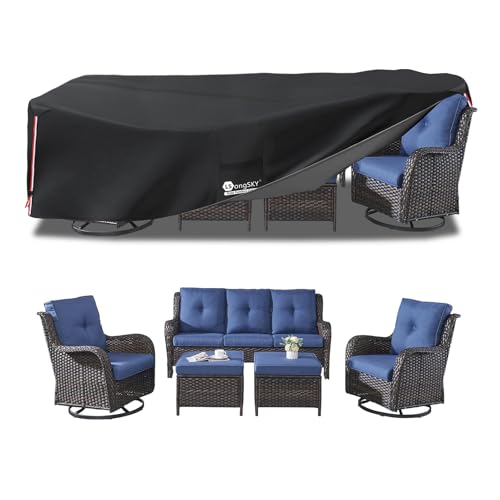
A full dining set cover should drape over the table and chairs as a single unit, or each piece can be covered individually. Single-unit covers are more convenient but require a larger cover that fits the assembled footprint. Individual covers provide a tighter fit and are easier to manage in high winds.
Before covering, remove the umbrella from the table and store it indoors. Umbrellas left in place during winter can be damaged by snow load and wind. If your table has an umbrella hole, ensure the cover seals around or over the hole to prevent water entry. For tables with umbrella hole designs, a cover with a reinforced center point works best.
Lounge Chairs and Sofas
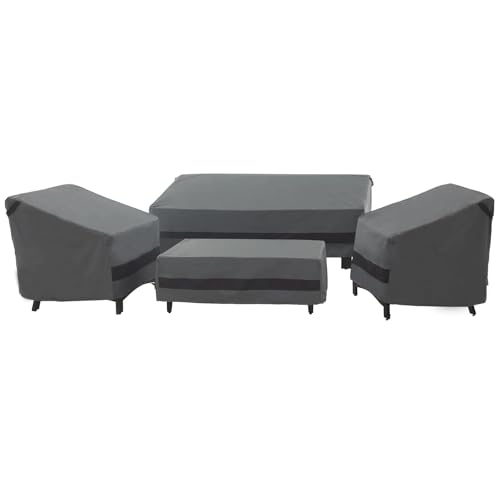
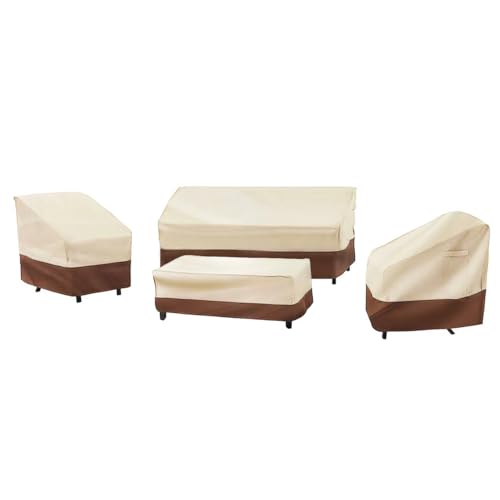
Cover each piece individually for the best fit and protection. Remove all cushions first, then cover the frame. If your lounge chairs have removable back or seat cushions, store those indoors and cover the bare frame. For deep seating sofas and sectionals, use covers that accommodate the full depth of the piece.
If you have covered outdoor lounge chairs with built-in canopies, ensure the canopy is folded or removed before covering to prevent stress on the frame.
Fire Pits and Fire Tables
Fire pits and fire tables require special attention during winter. If your fire pit uses propane, disconnect the tank and store it according to local safety guidelines. Clean out ash and debris from wood-burning fire pits before covering. Use a fitted cover that protects the burner or bowl from moisture and debris.
For concrete fire pit with hidden propane tank designs, ensure the cover allows access to the tank compartment if needed for maintenance. Concrete surfaces can crack in freeze-thaw cycles, so a tight-fitting cover that prevents water pooling is essential.
Winter Storage Alternatives to Covers
In regions with extreme winter conditions, covering alone may not be sufficient. Consider these additional storage strategies:
- Indoor storage: Move smaller pieces—side tables, chairs, and ottomans—into a garage, shed, or basement. This is the most reliable protection for high-end tier furniture.
- Deck boxes and storage benches: Use deck box or deck storage solutions for smaller accessories and cushions. These keep items dry and accessible while freeing up indoor space.
- Covered patio areas: If your patio has a permanent roof or pergola, furniture in these areas is partially protected. Still use covers for additional defense against blowing snow and rain.
- Stack and cover: Stack chairs and nest tables where possible, then cover the stack with a single large cover. This saves space and simplifies the covering process.
For furniture that stays outdoors year-round, consider covered patio setups that provide overhead protection and reduce direct snow accumulation. If you have a covered patio chair or covered chaise lounge, the built-in canopy provides some protection, but an additional winter cover is still recommended.
Maintaining Covers Through Winter
Once covers are in place, check them periodically throughout winter:
- Brush off accumulated snow before it becomes heavy enough to stress the cover or furniture underneath.
- Check for pooling water on top of covers after rain or thaw. Pooling water can seep through seams and damage furniture.
- Re-secure covers after high winds to prevent flapping and displacement.
- Inspect for tears or holes and repair them promptly to maintain protection.
Well-maintained covers can last multiple seasons. Store covers properly when not in use and clean them before each winter season to remove dirt and debris that can degrade the fabric.
Spring Uncovering Checklist
When winter ends, follow these steps to transition your furniture back into use:
- Remove covers on a dry, sunny day and allow furniture to air out.
- Inspect frames for rust, cracks, or loosened joints and address any issues before use.
- Clean all surfaces thoroughly before bringing cushions back out.
- Check cushions for mold or mildew before placing them back on frames. If any are present, clean or replace them.
- Apply a fresh coat of protective finish to wood or metal surfaces if needed.
Proper uncovering and inspection extend the life of your furniture and catch any winter damage before it worsens.
Frequently Asked Questions
Protecting Your Outdoor Investment
Covering patio furniture for winter is one of the most effective ways to extend the lifespan of your outdoor pieces. The process does not require professional help or special equipment—just the right cover, proper preparation, and a consistent routine. By following the steps in this guide, you protect your furniture from the worst of winter and ensure it is ready to use when warmer weather returns.
Whether you own a starter-tier bistro set or a premium dining collection, the principles remain the same: clean before covering, remove cushions, choose breathable covers, and monitor throughout the season. For more guidance on protecting specific pieces, explore our weatherproofing guide and outdoor care resources.
Ready to Protect Your Patio Furniture?
Explore our recommended winter covers and outdoor furniture care products below to find the right protection for your set.
View Recommended Products