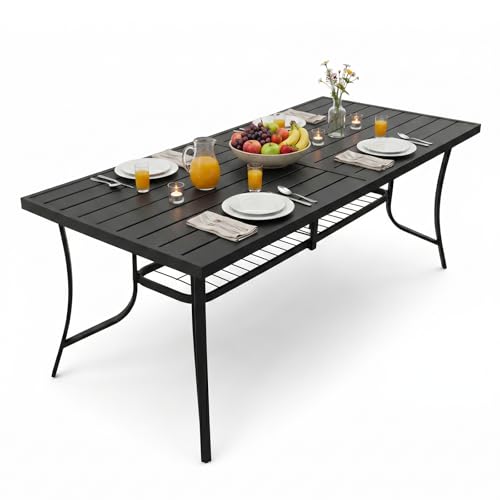
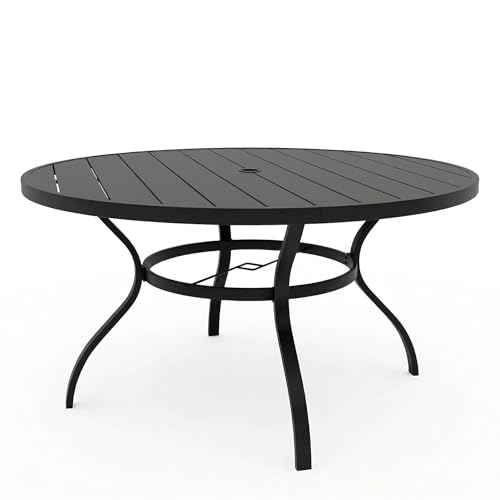
Why Choose a Concrete Outdoor Dining Table?
Concrete has a long history in outdoor architecture — from concrete patios to concrete benches — and its appeal for dining furniture is easy to understand. A concrete dining table brings a sense of permanence and architectural weight that few other materials can match. Unlike lightweight resin or aluminum tables that can shift in strong winds, a concrete table stays exactly where you place it.
Beyond stability, concrete offers distinct aesthetic advantages. Its smooth, matte surface pairs beautifully with both modern and rustic design schemes. Many manufacturers now offer concrete tables in a range of finishes — from polished and sealed surfaces to textured, board-formed looks that celebrate the material's raw character. If your outdoor space leans toward contemporary furniture, a sleek concrete table anchors the design with quiet confidence.
Weather resistance is another major draw. Quality concrete tables are formulated to withstand freeze-thaw cycles, UV exposure, and moisture penetration far better than untreated wood or certain metals. When properly sealed, a concrete dining table can serve as a true long-term investment for your outdoor living space.
For those exploring other concrete furniture pieces, our guide to the concrete outdoor table covers broader options, while the concrete outdoor coffee table guide is helpful if you're furnishing a lounge area alongside your dining zone.
The Importance of a Built-In Umbrella Hole
An umbrella hole transforms a dining table from a simple surface into a complete outdoor entertaining solution. Without one, you would need a freestanding umbrella base — which takes up valuable floor space, can be a tripping hazard, and adds visual clutter. A built-in hole through the center of the table allows the umbrella pole to pass directly through, keeping the base beneath the table where it is out of the way.
How the Umbrella Hole Works
Most concrete dining tables with umbrella holes feature a pre-cast opening that is typically 2 inches (approximately 51 mm) in diameter. This standard size accommodates the vast majority of patio umbrella poles on the market. Some tables include a removable plastic or metal grommet insert that protects the concrete edge from abrasion as the umbrella pole shifts slightly in the wind.
The umbrella base itself sits beneath the table, secured to the ground or weighted down. Because the table provides lateral stability to the pole, the base does not need to be as heavy as it would be for a freestanding umbrella. This is a significant advantage — you avoid a massive, obtrusive base plate sitting in the middle of your patio.
Tables Without vs. With an Umbrella Hole
If you are comparing options, it is worth noting that a concrete table without an umbrella hole is not easily modified after the fact. Drilling through cured, reinforced concrete requires specialized equipment and risks cracking the slab. If you anticipate wanting shade coverage — which most outdoor diners do — choose a model with the umbrella hole built in from the start. Similarly, if you are considering a counter-height option, look for a counter-height outdoor table with umbrella hole to combine elevated seating with shade.
Concrete Table Construction: Cast vs. Fiber-Reinforced
Not all concrete tables are built the same way. Understanding the two primary construction methods will help you choose the right table for your needs.
Solid Cast Concrete
Solid cast concrete tables are poured as thick, dense slabs. They offer the most substantial feel and the classic "monumental" aesthetic that many buyers associate with concrete furniture. These tables are extremely heavy — often requiring professional delivery and placement — and are best suited for permanent installations on ground-level patios or structurally reinforced decks.
Fiber-Reinforced Concrete (GFRC)
Glass fiber-reinforced concrete (GFRC) incorporates fine glass fibers into the concrete mix, which dramatically increases tensile strength. This allows manufacturers to create tables with thinner profiles and significantly reduced weight without sacrificing durability. GFRC tables are the practical choice for most residential buyers: they are easier to move, available in more intricate designs, and still deliver the cool, solid feel of concrete underhand.
Editor's note: If you plan to move your table even occasionally — for cleaning, rearranging, or seasonal storage — a GFRC table is the far more practical choice. Reserve solid cast concrete for permanent, ground-level installations.
Sizing Your Concrete Dining Table Correctly
Proper sizing is critical for comfort and functionality. A table that is too small feels cramped, while one that is too large overwhelms the space and leaves diners unable to reach the center.
Standard Sizing Guidelines
- Seating capacity: Allow 24 inches of table width per person for comfortable dining.
- Round tables: A 48-inch round table comfortably seats 4; a 60-inch round seats 6.
- Rectangular tables: A 72-inch by 36-inch table seats 6; a 96-inch by 40-inch table seats 8.
- Clearance: Leave at least 36 inches of space between the table edge and any wall, railing, or other furniture to allow chairs to pull out comfortably.
Proportion and Umbrella Coverage
The table's size also determines the umbrella size you will need. As a general rule, the umbrella canopy should extend approximately 24 inches beyond each edge of the table. A 6-seat rectangular table (72 inches long) pairs well with a 9-foot umbrella, while a 48-inch round table works nicely with a 7.5-foot to 9-foot canopy. If your space is compact, consider a corner dining set as an alternative layout that maximizes seating in tight areas.
For those working with limited square footage, our guide to small patio design offers layout strategies that pair well with a concrete dining table. And if you are furnishing a full outdoor room, the concrete rectangular outdoor coffee table can complement your dining setup with a coordinated lounge piece.
Umbrella Compatibility and Fit
Getting the umbrella fit right is essential for both function and safety. Here is what to verify before purchasing.
Pole Diameter
Measure the umbrella hole diameter on the table and the pole diameter of your umbrella. Most tables feature a 2-inch hole, and most umbrellas have poles between 1.5 and 1.9 inches in diameter. A slightly loose fit is normal and allows the pole to be inserted and removed easily. If the fit feels too loose, a reducer ring or grommet insert can tighten it.
Umbrella Base Requirements
Even with the table providing lateral support, an umbrella base is still required to keep the pole anchored. The base sits beneath the table, centered on the hole. For a 9-foot umbrella, a base weighing at least 50 pounds is recommended; larger canopies may require more. Because the base is hidden beneath the table, its appearance is less important than its stability.
Tilt and Crank Mechanisms
If your umbrella features a tilt or crank mechanism, ensure the table height and hole placement allow the mechanism to operate without obstruction. Most standard dining-height tables (28 to 30 inches) work fine with these mechanisms, but it is worth confirming before purchase.
For alternative shade solutions, our guide to counter-height outdoor tables covers another popular format, while the counter-height patio table with umbrella hole guide is essential reading if you prefer taller seating with shade coverage.
Comparing Concrete with Other Table Materials
How does concrete stack up against other common outdoor dining table materials? The table below summarizes the key differences using universal tier descriptors for market positioning.
| Material | Market Tier | Weight & Stability | Weather Resistance | Best For |
|---|---|---|---|---|
| Concrete (GFRC) | Premium | Heavy; excellent wind resistance | Excellent; freeze-thaw resistant when sealed | Permanent patio dining with umbrella shade |
| Solid Cast Concrete | Luxury | Exceptionally heavy; immovable once placed | Excellent; highly durable | Architectural, permanent installations |
| Powder-Coated Aluminum | Mid-Range | Lightweight; may shift in high wind | Very good; rust-proof finishes available | Versatile, movable dining setups |
| Teak or Hardwood | Premium | Moderate weight; stable | Good with regular oiling; susceptible to moisture if untreated | Classic, natural outdoor aesthetics |
| Resin / Polypropylene | Entry-Level | Very lightweight; prone to shifting | Good; UV-stabilized versions resist fading | Casual, portable, or seasonal use |
| Wrought Iron | Mid-Range | Heavy; very stable | Moderate; requires rust prevention | Traditional, ornate designs |
As the table shows, concrete occupies the premium to luxury range in terms of market positioning — but it also delivers durability and stability that lighter materials simply cannot match. For a deeper comparison, our deck vs patio guide helps you understand how the underlying surface affects material choice.
Pros and Cons of Concrete Dining Tables
Every material has trade-offs. Here is an honest look at what you gain and what you give up with a concrete table.
Advantages
- Exceptional stability — will not shift in wind or during use
- Superior durability; resistant to rot, insects, and most weather
- Timeless architectural aesthetic that suits many design styles
- Built-in umbrella hole eliminates the need for a freestanding base
- Easy to clean with mild soap and water
- Long-term investment that can last for decades
Considerations
- Very heavy; requires professional delivery and placement
- Not suitable for most elevated wooden decks without structural verification
- Difficult to move once positioned
- Can be cold to the touch in cooler weather
- Surface may develop hairline cracks over time if unsealed
- Higher initial investment compared to entry-level materials
Installation, Placement, and Weight Considerations
Because of their weight, concrete dining tables require careful planning before delivery. Here is what to think through.
Delivery Path
Map the route from the delivery truck to the final table location. Measure gate openings, doorways, and any turns or steps. Many concrete tables arrive in two or three sections specifically to make transport and placement more manageable. If your path includes tight corners or narrow gates, confirm the sectional dimensions before ordering.
Surface Suitability
Concrete tables are ideal on concrete patios, stone pavers, and other solid ground-level surfaces. If you are placing the table on a wooden deck, consult a structural engineer. The concentrated load of a concrete table (often 200 to 400 pounds or more, even for GFRC models) may exceed what a typical residential deck is designed to support.
Wind and Umbrella Interaction
A large umbrella acts like a sail in strong wind, transferring force to the table and base. Concrete tables handle this well due to their mass, but the umbrella itself should be closed during high-wind events. Ensure your umbrella base is adequately weighted for the canopy size.
Long-Term Care and Maintenance
Concrete is low-maintenance, but a few simple habits will keep your table looking its best for years.
Routine Cleaning
Wipe the surface with mild soap and water using a soft cloth or sponge. Avoid abrasive cleaners or scouring pads, which can dull the finish. For stubborn stains — such as red wine or oil — apply a poultice of baking soda and water, let it sit, then rinse thoroughly.
Sealing
Most quality concrete tables come pre-sealed. However, the sealer wears down over time, especially in high-use areas. Reapply a penetrating masonry sealer every two to three years, or annually in harsh climates. Sealing helps resist stains and reduces moisture penetration that can lead to surface flaking.
Winter Protection
In regions with freeze-thaw cycles, use a fitted, breathable cover during winter months. Ensure the table surface drains properly and avoid placing the table where water pools. A patio furniture winter covering guide can provide more detailed seasonal protection advice.
Cushion Care
If you pair your concrete table with cushioned seating, proper cushion care extends their lifespan. Our outdoor cushion guide covers cleaning, storage, and material selection in depth.
What to Look For Before You Buy
When shopping for a concrete outdoor dining table with an umbrella hole, keep these criteria in mind.
1. Verify the Umbrella Hole
Confirm the hole diameter (typically 2 inches) and check whether it includes a protective grommet or insert. If you already own an umbrella, measure its pole diameter and compare.
2. Check the Construction Method
Decide between solid cast concrete (for permanent, monumental installations) and GFRC (for a more practical, movable option). Both are valid; the right choice depends on your space and needs.
3. Confirm the Finish
Ask whether the table is pre-sealed and what type of finish it has (polished, matte, textured). A sealed surface is essential for stain resistance.
4. Plan for Delivery and Placement
Understand the table's weight and dimensions before ordering. Most premium concrete tables require professional delivery. If you are purchasing online, review the delivery terms carefully.
5. Consider the Full Set
A dining table is only one part of the equation. Coordinating seating — such as cushioned outdoor chairs or cushioned outdoor dining chairs — completes the setup. If you prefer a coordinated look, a counter-height dining table set with bench offers a different but equally valid approach to outdoor dining.
6. Review the Warranty
A solid warranty (typically one to five years for residential use) signals that the manufacturer stands behind its product. Check what the warranty covers — some exclude cracking from freeze-thaw cycles, so read the fine print.
Ready to explore concrete dining table options with umbrella holes?
View Available ModelsFrequently Asked Questions
Final Thoughts
A concrete outdoor dining table with an umbrella hole is a long-term investment in both function and design. The combination of permanent stability, weather resistance, and integrated shade coverage makes it one of the most practical choices for homeowners who take outdoor entertaining seriously. By understanding construction methods, sizing, umbrella compatibility, and care requirements, you can choose a table that serves your patio beautifully for years to come.
If you are still weighing your options, our broader guides on concrete outdoor tables and concrete patios provide additional context. For those interested in complementary furniture, the composite picnic table guide and concrete bench guide cover related outdoor essentials.