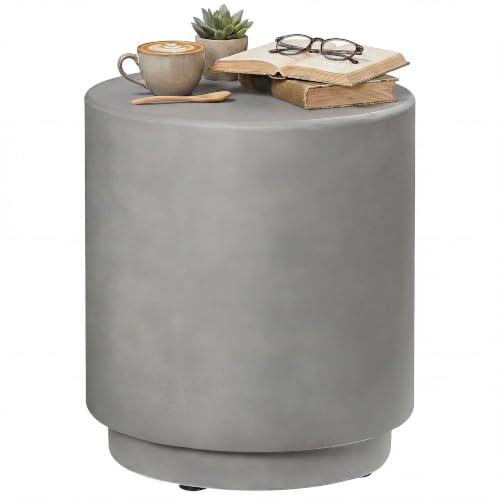
Concrete Outdoor Table: The Complete Buying Guide
Everything you need to know about choosing, styling, and caring for a concrete outdoor table. Compare materials, finishes, and design options before you invest in this enduring patio centerpiece.
Why a concrete outdoor table deserves your attention: Concrete has moved far beyond construction sites and industrial lofts. Today's concrete patio tables bring a sculptural, permanent quality to outdoor spaces that few other materials can match. They anchor a dining area, resist wind and weather, and develop character over time. If you are researching this category, you already know you want something substantial. This guide will help you make a confident, informed decision.
What Makes a Concrete Outdoor Table Different?
A concrete outdoor table is exactly what the name implies: a table whose primary structure or surface is cast from concrete. Unlike wood, metal, or resin, concrete offers unmatched mass and stability. It will not blow over in a storm, it does not flex under heavy loads, and it holds a visual weight that makes an outdoor room feel intentional and grounded.
Concrete tables fall into two broad families. Solid cast concrete tables are poured as a single piece or in carefully joined sections. They are exceptionally durable and typically used as permanent fixtures. Concrete composite tables combine a concrete surface with a lighter core—often fiberglass, foam, or a metal frame—to reduce weight while preserving the aesthetic. Both approaches have merit, and the right choice depends on how you plan to use and move the table.
For a broader look at how concrete fits into patio construction, see our guide to concrete patio design. And if you are furnishing an entire dining area, you may also want to explore concrete outdoor dining tables with umbrella holes for shade-ready options.
Concrete vs. Other Outdoor Table Materials
Homeowners often compare concrete with stone, teak, aluminum, and composite lumber. Here is how concrete holds up in the comparison:
- Weather resistance: Concrete is unaffected by rain, snow, and UV exposure. It will not rot, rust, or fade like wood or painted metal.
- Stability: The weight of concrete means no wobble, no shifting in high wind, and no need for sandbags or anchors.
- Thermal behavior: Concrete absorbs and releases heat slowly. In hot climates, a light-colored concrete top stays noticeably cooler than dark metal or dark stone.
- Maintenance: Minimal. Periodic sealing is the main task, and routine cleaning requires only mild soap and water.
- Longevity: A well-made concrete table can last decades—often outliving the patio it sits on.
That said, concrete is not for everyone. It is heavy, difficult to move, and can chip if struck hard. If portability or frequent rearranging is important to you, a concrete composite or a lighter material may be more practical.
Market Tiers for Concrete Outdoor Tables
To help you calibrate expectations without relying on specific figures, we classify concrete outdoor tables into three consistent market tiers. These descriptors reflect relative positioning in the market—not currency amounts—and will remain useful as the market evolves.
Essential Tier
Simple poured concrete or basic composite construction. Straightforward shapes, limited finish options, and standard reinforcement. A solid choice for casual patios or first-time buyers who want the concrete look without complex detailing.
Balanced Tier
Refined casting with better aggregate control, smoother finishes, and improved reinforcement. Often features integrated seating, shaped edges, or coordinating benches. Good value for its tier and well-specified for most residential patios.
High-End Tier
Architectural-grade concrete with fiber reinforcement, precision casting, and designer finishes. May include integrated fire features, custom dimensions, or artisan surface treatments. A long-term investment for a permanent outdoor room.
In general, moving from entry-level to mid-range buys you smoother surfaces, more consistent curing, and better edge detailing. Moving to the high-end tier adds design flexibility and specialized finishes that are difficult to achieve in mass production. The best tier for you depends on your design goals, not on how much you can spend.
Popular Concrete Table Styles
Concrete is remarkably versatile. The same material can read industrial, minimalist, Mediterranean, or even rustic depending on formwork and finish:
- Rectangular dining tables: The most common configuration for family meals. Look for reinforced tops and stable pedestal or trestle bases. A concrete rectangular outdoor coffee table offers a lower, lounge-height alternative for the same seating group.
- Round and oval tables: Softer for conversation and small patios. Round concrete tables often feature a central pedestal that frees up legroom.
- Fire tables: A growing category that combines dining or lounging surface with a fire feature. See our overview of concrete fire pit tables with hidden propane tanks for a clean, hose-free look.
- Bench-and-table sets: Integrated concrete benches create a unified, permanent dining installation. Compare with concrete bench options if you are building a custom arrangement.
- Coffee and side tables: Smaller concrete pieces bring the material into lounge areas. A concrete outdoor coffee table pairs well with soft seating and rugs.
Key Features to Evaluate Before Buying
When you are comparing concrete outdoor tables, focus on these structural and functional details:
| Feature | What to Look For | Why It Matters |
|---|---|---|
| Construction type | Solid cast vs. composite core | Solid is heavier and more permanent; composite is easier to move. |
| Reinforcement | Fiber mesh, steel rebar, or structural core | Prevents cracking and supports spans across the table length. |
| Finish | Polished, honed, brushed, or sealed raw | Affects slip resistance, stain resistance, and visual feel. |
| Sealer | Penetrating sealer vs. surface film | Penetrating sealers protect without changing texture or trapping moisture. |
| Base design | Pedestal, trestle, or leg-and-apron | Determines legroom, stability, and how many chairs fit around the table. |
| Edge profile | Square, eased, bullnose, or live-edge | Sharp edges chip more easily; softened edges are safer around children. |
| Weight and moving | Overall mass and whether casters are included | Plan delivery and placement before the table arrives. |
Practical Tip: Plan the Delivery Path
Before ordering a solid concrete table, measure every gate, doorway, and turn between the street and your patio. Concrete tables are often delivered on pallets and may require a lift gate or crane. If the path is tight, a composite table or a modular design assembled on-site may be the smarter choice.
Care and Maintenance for a Concrete Outdoor Table
Concrete is forgiving, but it is not maintenance-free. A little routine care keeps the surface looking sharp and prevents long-term staining:
- Clean regularly: Wipe with mild soap and water. Avoid acidic cleaners, vinegar, or harsh degreasers that can etch the surface.
- Reseal annually: Apply a penetrating concrete sealer once a year in most climates, or every two years in mild, dry regions. Sealing blocks moisture and slows staining.
- Address spills promptly: Oil, wine, and berries can leave marks if left on an unsealed surface. Blot, then clean with a mild solution.
- Prevent freeze damage: In freezing climates, cover the table with a breathable waterproof cover during winter. Avoid letting snow or water pool on the surface.
- Use coasters and trivets: Hot cookware and sharp objects can mark even sealed concrete. A trivet protects the finish.
For a deeper dive into seasonal protection, read our weatherproofing guide. If you are also maintaining other outdoor surfaces, the principles are similar to those in our concrete outdoor table overview—but always follow the manufacturer's specific recommendations for your table's finish.
Design Ideas: Styling a Concrete Outdoor Table
Concrete's neutral, mineral tone is a designer's ally. It plays well with natural textures and bold colors alike. A few directions to consider:
- Soft industrial: Pair a raw, sealed concrete table with black powder-coated chairs, a charcoal outdoor rug, and warm Edison-style string lights.
- Modern coastal: Choose a light gray or white-pigmented concrete top, then add pale wood chairs, linen cushions, and a linen-toned umbrella.
- Earthy rustic: Let a brushed concrete table anchor a mix of teak benches, terracotta planters, and woven fiber lighting.
- Minimalist: A honed concrete table with slim metal legs, a single sculptural centerpiece, and no tablecloth creates a clean, architectural look.
If you are considering companion pieces, our guides to concrete outdoor coffee tables and rectangular concrete coffee tables can help you build a cohesive set. And for permanent seating that matches the table's material, explore concrete block benches.
Who Should Buy a Concrete Outdoor Table?
A concrete table is an excellent fit if you value permanence, low maintenance, and a design statement. It suits homeowners who entertain frequently, live in windy areas, or want furniture that stays put year-round. It is less suitable for renters, people who rearrange their patio often, or anyone who needs to move furniture seasonally. If you fall into the latter group, consider a concrete composite table or a lighter material such as aluminum or resin.
Ready to Explore Concrete Outdoor Tables?
Browse our curated selection of concrete outdoor tables and find the right fit for your patio.
View Concrete Table OptionsFrequently Asked Questions
Is a concrete outdoor table heavy and hard to move?
Yes, concrete outdoor tables are inherently heavy. However, many modern designs use lightweight concrete composites or fiber-reinforced concrete that reduce weight while maintaining durability. Consider a table with casters or plan the placement carefully before delivery, since repositioning a solid concrete piece can require professional help.
How do I protect a concrete outdoor table from winter damage?
Seal the concrete surface annually with a penetrating sealer to prevent moisture absorption. During freezing months, cover the table with a breathable waterproof cover and avoid leaving standing water on the surface. If possible, store smaller concrete tables in a shed or garage to extend their lifespan.
Can concrete outdoor tables crack over time?
Hairline cracks can appear as concrete naturally cures and expands with temperature changes. These are usually cosmetic. Properly reinforced, sealed, and cured concrete tables are highly resistant to structural cracking. Choosing a table with fiber reinforcement or a composite core significantly reduces the risk.
What is the difference between solid concrete and concrete composite tables?
Solid concrete tables are poured and cured as a single heavy piece, offering maximum durability and a true stone-like feel. Concrete composite tables combine concrete with lightweight aggregates or fiberglass cores, resulting in a lighter table with similar visual appeal but less mass. Composites are easier to move but may not match the thermal mass and permanence of solid concrete.
How do I clean and maintain a concrete outdoor table?
Regular cleaning with mild soap and water is sufficient for routine maintenance. Avoid acidic cleaners, which can etch the surface. Reapply a penetrating sealer every one to two years, and promptly clean up oil or wine spills to prevent staining. For textured surfaces, use a soft-bristle brush to remove dirt from crevices.
Final Considerations Before You Buy
A concrete outdoor table is a long-term addition to your home. Take the time to measure your space, consider the delivery path, and think about how you will use the table day to day. If you entertain often, prioritize a comfortable seating count and a surface that is easy to wipe down. If your patio is exposed to harsh winters, invest in a quality cover and plan for annual sealing. And if you are still weighing concrete against other materials, our counter-height outdoor table guide and concrete patio overview offer useful comparisons.
Whichever concrete table you choose, you are buying more than furniture—you are adding a permanent, characterful anchor to your outdoor living space. With the right table and a simple care routine, it will serve your family for decades.