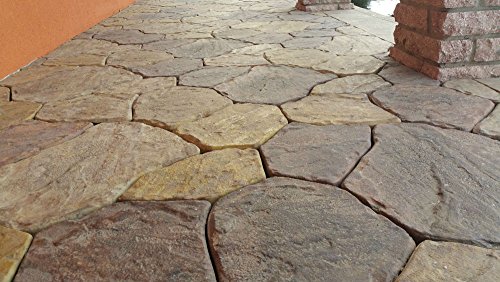
Concrete Patio: Complete Furniture & Design Guide
Learn how to furnish, style, and maintain a concrete patio that lasts for decades. From seating layouts to durable tables and fire features, this guide covers everything you need to make a confident purchase.
EXPLORE FURNITURE OPTIONSWhy a concrete patio deserves the right furniture: A concrete slab is one of the most durable outdoor surfaces available, but its hard, unyielding character means your furniture choices matter more than on wood or composite decks. The right pieces soften the surface, anchor the layout, and complement the clean, structural look that concrete naturally provides. This guide walks you through material pairing, seating configurations, and feature pieces so you can build a patio that looks intentional and performs for years.
Understanding the Concrete Patio Advantage
Concrete patios are popular for a reason: they are stable, low-maintenance, and compatible with nearly every outdoor furniture style. Unlike gravel or grass, a concrete surface provides a flat, firm base that supports heavy pieces such as stone tables, cast benches, and fire features without settling or shifting. That stability opens up furniture options that would be impractical on softer ground.
The trade-off is that concrete reflects heat and can feel hard underfoot. Successful concrete patio design addresses this with two strategies: layering (rugs, cushions, and shaded zones) and material contrast (wood, wicker, and fabric against the smooth slab). When you pair concrete with warm textures, the result feels balanced rather than industrial. For a broader comparison of surface types before you commit, our deck vs patio guide breaks down the practical differences.
Another consideration is drainage and finish. Broom-finished concrete offers grip and hides surface imperfections, while polished or stamped concrete reads more decorative but can become slippery when wet. Whichever finish you have, choose furniture with feet that will not scratch the surface, and use furniture pads under heavy pieces.
Best Furniture Materials for a Concrete Patio
The strongest concrete patio furniture pairings combine visual warmth with genuine weather resistance. Because concrete already contributes a cool, neutral, structural tone, your furniture can safely introduce texture and color without the space feeling busy.
Wood and Teak
Natural wood softens concrete immediately. Teak, acacia, and eucalyptus are the most reliable outdoor woods because of their natural oils and tight grain. A wooden dining set on a concrete slab creates a classic, grounded look. If you plan to leave wood exposed year-round, invest in a quality sealant and reapply it seasonally — our wood sealants guide explains the process step by step.
Powder-Coated Aluminum and Steel
Metal frames are an excellent match for concrete because they share the same architectural, clean-lined character. Powder-coated aluminum resists rust and stays light enough to rearrange. High-grade steel with a rust-proof finish works well for heavier statement pieces. Look for welded joints and reinforced frames rather than thin tubular construction.
Wicker, Rattan, and Resin Weave
All-weather wicker introduces organic texture that counteracts concrete's smoothness. Resin weave over an aluminum frame is the most practical choice for exposed patios. For a deeper look at how these materials compare, see our wicker and rattan guide.
Concrete and Stone Furniture
Concrete-on-concrete is a bold, cohesive choice when done deliberately. A cast concrete table or bench creates a sculptural focal point and will never blow over in wind. The key is to break up the monochrome with cushions, planters, and shade. If you like this direction, explore a dedicated concrete outdoor table or a concrete bench as an anchor piece.
Concrete Patio Furniture by Quality Tier
Rather than shopping by price point, it helps to think in terms of construction quality and expected lifespan. The table below organizes common concrete patio furniture categories by tier so you can match your selection to how intensely the patio will be used.
| Tier | Typical Construction | Best For |
|---|---|---|
| Entry-level | Thin aluminum frames, basic resin weave, lighter cushions | Occasional use, renters, covered patios |
| Mid-range | Welded aluminum, denser resin weave, higher-density foam cushions | Everyday family use, mixed sun exposure |
| Premium | Heavy-gauge powder-coated frames, solid wood or cast concrete tops, solution-dyed fabrics | Full-sun patios, year-round use, design-forward spaces |
| Luxury / commercial-grade | Cast concrete, stainless hardware, marine-grade upholstery, reinforced joinery | High-traffic entertaining, hospitality settings, long-term investment |
In practice, a mid-range set with premium cushions often outperforms an entry-level set with decorative styling. Prioritize the frame and the cushion density over surface ornamentation — those are the parts that determine how the furniture feels and lasts.
Seating Layouts That Work on Concrete
Concrete patios tend to be rectangular and clearly defined, which makes layout planning easier. Treat the slab edge as your boundary and create distinct zones rather than pushing all furniture against the house.
The Conversation Zone
A curved or L-shaped sofa arrangement softens the hard lines of a concrete slab. A curved outdoor sofa or a curved loveseat naturally draws people inward and avoids the boxy feel that straight sectionals can create on concrete. Add a concrete outdoor coffee table at the center to tie the seating to the surface material.
The Dining Zone
If your patio is large enough for two zones, place the dining area at one end and keep circulation paths clear. A concrete outdoor dining table with umbrella hole is a practical anchor, and pairing it with cushioned outdoor dining chairs adds comfort without clutter. For tight slabs, a counter-height outdoor table uses vertical space efficiently.
The Lounge Zone
Long, narrow concrete patios benefit from chaise lounges placed in a single line rather than grouped. A covered chaise lounge keeps cushions protected and reduces maintenance. If you prefer flexibility, a deep-seat lounge chair can be moved to follow the sun throughout the day.
The Fire Feature Zone
Concrete and fire features are natural partners. A built-in or freestanding concrete fire pit becomes a permanent focal point, and the surrounding seating can be arranged in a curve or semicircle. Our guides to a concrete fire pit with hidden propane tank and a concrete fire pit table with hidden propane tank explain how to keep fuel storage discreet and safe.
Feature Pieces Worth Considering
Beyond the core seating and dining set, a few well-chosen pieces elevate a concrete patio from functional to memorable. Consider one statement item per zone rather than several small decorative additions.
- Concrete coffee table: A concrete rectangular outdoor coffee table anchors a lounge arrangement and provides a stable surface for trays and lanterns.
- Concrete bench: A concrete block bench or concrete bench doubles as seating and a sculptural element along a wall or planter edge.
- Concrete picnic table: A composite picnic table brings a casual, family-friendly feel and resists weathering better than traditional wood.
- Corner dining set: On compact slabs, a corner dining set or a corner bench dining table for small spaces maximizes seating without blocking walkways.
- Fire pit table: A concrete fire table with hidden propane tank combines a coffee table surface with warmth, ideal for extending evening use.
If you are building a layout from scratch and want a single piece that does the most work, a concrete fire pit table is often the highest-impact addition. It defines the gathering point, provides a table surface, and keeps the patio usable well into cooler evenings. For more detail on converting fuel types, see our guide to converting a propane fire pit to natural gas.
Cushions, Rugs, and Comfort Layers
Because concrete is hard and heat-reflective, comfort layers are not optional — they are part of the design. Start with high-density foam cushions wrapped in solution-dyed acrylic or olefin fabric. These resist fading and mildew far better than untreated cotton or polyester.
Outdoor rugs are the second essential layer. A rug defines a seating zone, reduces the reflected heat underfoot, and visually softens the slab. Choose a rug with a non-slip backing and a low pile that drains quickly. For cushion sizing and replacement advice, our outdoor cushion guide and deep seating cushions pages cover the practical details.
During the off-season, store cushions in a ventilated deck box or cushion storage solution rather than leaving them out. This single habit dramatically extends cushion life. If your patio is fully exposed, a covered outdoor furniture approach or custom outdoor covers for patio furniture will protect the frames as well.
Maintaining Furniture on a Concrete Surface
Concrete itself needs very little care beyond occasional sweeping and rinsing, but furniture resting on it needs attention. The two most common issues are scuffing from dragged furniture and moisture trapped under legs after rain.
- Use furniture pads or glides. They prevent scratches and make rearranging heavy pieces easier.
- Elevate legs slightly. Small plastic or rubber risers allow air circulation and prevent rust rings from forming on the slab.
- Clean frames seasonally. A mild soap solution and a soft brush remove pollen and dust. Avoid abrasive cleaners on powder-coated metal.
- Inspect cushions monthly. Check for mildew along seams and wash covers according to the manufacturer's instructions.
If your patio is in a region with freezing winters, bring cushions indoors and consider covering large pieces. Our winter storage guide and weatherproofing guide walk through a full seasonal routine.
Design Direction: Making Concrete Feel Warm
Concrete patios can be styled in several directions, and the furniture you choose determines which one you land in. Three reliable approaches:
- Modern minimalist: Low-profile aluminum or steel frames, monochrome cushions, one concrete feature piece, and clean lines. Keep planters geometric.
- Organic and textured: Teak or acacia dining sets, wicker lounge chairs, layered rugs, and abundant greenery in outdoor planters. This is the most forgiving approach on a large slab.
- Coastal and relaxed: Light-toned cushions, weathered wood, white accents, and a cotton hammock chair or swing for a playful touch.
Whichever direction you choose, add shade. A patio umbrella or a pergola reduces heat and glare, and it makes the patio usable at midday. String lights or low outdoor lighting extend the evening. For more layout inspiration, browse our patio styles section.
Frequently Asked Questions
What type of furniture is best for a concrete patio?
Powder-coated aluminum, teak, all-weather wicker, and cast concrete all perform well. The best choice depends on sun exposure and how often you rearrange the layout. Lightweight aluminum suits frequent reconfiguration; cast concrete and heavy wood suit permanent arrangements.
Will furniture scratch a concrete patio?
Bare metal or rough wood feet can leave marks over time. Use felt or rubber furniture pads under legs, and avoid dragging heavy pieces. Most scratching is preventable with simple glides.
Can I put a fire pit on a concrete patio?
Yes, concrete is non-combustible and an excellent base for fire features. Keep a safe clearance from furniture and overhead structures, and follow the manufacturer's clearance guidelines. A concrete fire pit table with a hidden propane tank is a popular permanent option.
How do I keep a concrete patio cool in summer?
Shade is the most effective solution: umbrellas, pergolas, or shade sails reduce surface heat significantly. Light-colored outdoor rugs and breathable cushions also help. Avoid dark-colored rugs in full sun, as they absorb heat.
Is concrete patio furniture heavy to move?
Cast concrete and stone pieces are very heavy and should be positioned deliberately. Aluminum and resin wicker pieces are light enough for one person to move. Many homeowners combine a heavy anchor piece with lighter, movable seating.
How often should I clean cushions on a concrete patio?
Brush off debris weekly and wash covers monthly during heavy-use seasons. Concrete reflects heat, which can accelerate fabric wear, so inspect seams and zippers regularly for early signs of sun damage.
Ready to Furnish Your Concrete Patio?
Explore our curated selection of concrete patio furniture, fire features, and comfort essentials below. Every piece is chosen for durability and compatibility with hard surfaces.
VIEW RECOMMENDED PRODUCTS