Deep Seat Lounge Chair: The Complete Buying Guide
Everything you need to know about selecting, styling, and maintaining a deep seat lounge chair for your outdoor retreat.
If you have been browsing outdoor furniture and keep returning to that plush, sink-in silhouette you see on design blogs, you are likely looking at a deep seat lounge chair. These chairs have transformed patios, decks, and porches into true outdoor living rooms. Unlike standard patio chairs that keep you upright and alert, a deep seat lounge chair invites you to lean back, stretch out, and stay awhile. But choosing the right one involves more than picking a color you like. Frame material, cushion depth, seat height, and climate all play a role in how comfortable and durable your chair will be over the long term. This guide walks you through every consideration so you can buy with confidence.
What Makes a Deep Seat Lounge Chair Different?
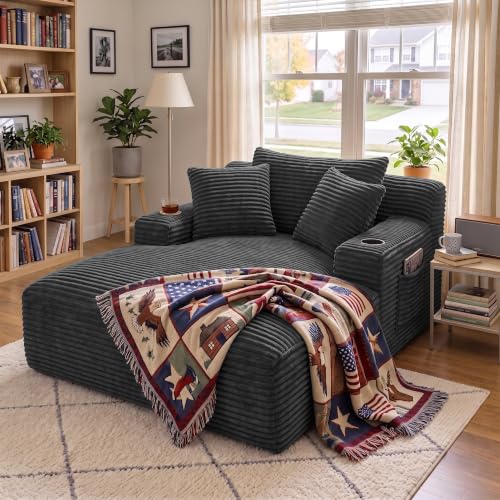
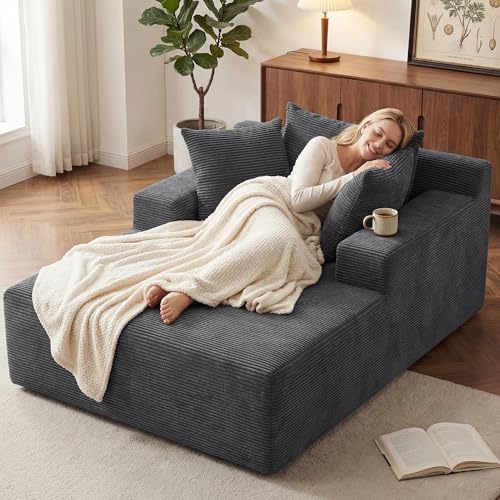
The defining feature of a deep seat lounge chair is the seat depth, typically measuring 25 to 30 inches from the front edge to the backrest. Standard patio chairs usually offer 18 to 22 inches of depth. That extra few inches changes everything: it allows you to sit with your legs stretched forward, curl up with a book, or recline with a cushion behind your back. Deep seating is the category that includes lounge chairs, sofas, sectionals, and loveseats designed around this generous proportion. If you are building a cohesive seating area, exploring the broader category of deep seating patio furniture can help you match your lounge chair with complementary pieces.
Comfort also depends on the cushion. A deep seat frame paired with a thin pad defeats the purpose. Look for high-resilience foam cores, wrapped in fiber or batting, and covered in solution-dyed acrylic or olefin fabric that resists fading and mildew. Cushion thickness for deep seating typically runs 5 to 8 inches. The deep seat cushions for outdoor furniture you choose should match the frame's seat depth exactly, or you will end up with gaps or an overstuffed look that strains the seams.
Frame Materials: The Foundation of Durability
The frame determines how long your chair lasts and how much maintenance it demands. Here is how the common materials compare:
| Material | Best For | Key Characteristics |
|---|---|---|
| Powder-coated aluminum | Humid, coastal, and rainy climates | Lightweight, rust-proof finish, easy to rearrange |
| Stainless steel | High-wind areas and long-term exposure | Heavy-duty, corrosion-resistant, substantial feel |
| Teak and acacia hardwood | Traditional and transitional designs | Natural warmth, needs periodic sealing, ages gracefully |
| All-weather wicker over aluminum | Classic and coastal aesthetics | UV-resistant weave, hides scratches, moderate weight |
| Resin and high-density polyethylene | Entry-level and family-friendly setups | Weatherproof, easy to clean, lighter construction |
If your patio is exposed to salt air or heavy rain, aluminum and stainless steel are the safest bets. Wood frames reward you with character but require annual attention. Wicker brings texture and a relaxed look, but check that the weave is tight and the underlying frame is aluminum rather than steel, which can rust from the inside out.
Understanding Market Tiers Without the Guesswork
Deep seat lounge chairs span a wide range of quality. Rather than focusing on numbers, it helps to think in terms of market tiers. The descriptors below are consistent throughout this guide and reflect relative positioning, not absolute figures.
Entry-Level Tier
Resin or lighter aluminum frames, standard foam cushions, and simpler joinery. A solid starting point for seasonal use or a first patio setup. Expect good value for its tier and straightforward assembly.
Mid-Range Tier
Powder-coated aluminum or wicker over aluminum, higher-density foam, and solution-dyed fabric. These chairs balance durability and design flexibility, making them a popular choice for year-round patios.
Premium / High-End Tier
Stainless steel or solid teak frames, quick-dry reticulated foam, and premium acrylic cushions with reinforced stitching. Built as a long-term investment with commercial-grade detailing.
A mid-range model typically offers smoother reclining mechanisms and better cushion recovery than an entry-level chair, while a premium chair adds refinement in welting, frame welds, and fabric hand-feel. The right tier depends on how often you use the chair and how much weather it will face.
Sizing and Proportions: Getting the Fit Right
Deep seating feels luxurious, but it can overwhelm a small balcony or tight porch. Measure your space before you fall in love with a chair online. As a rule of thumb, allow at least 24 inches of walking clearance around each chair. For a pair of lounge chairs with a side table, plan on roughly 6 feet of width. If your space is compact, consider a corner bench dining table for small spaces as an alternative seating anchor, or look for deep seat chairs with slimmer arms and a footprint under 32 inches wide.
Seat height matters too. A seat height of 16 to 18 inches suits most adults comfortably; lower seats feel more lounge-like but can be harder to rise from. If mobility is a concern, aim for the upper end of that range. Also check the back height: taller backs (30 inches and up) provide more head and shoulder support, while lower backs keep sightlines open on a small patio.
Pro tip: Bring your room's measurements to the store or keep them handy when shopping online. A deep seat lounge chair that fits your body and your space will be used far more often than one that merely looks good in a photo.
Cushions, Fabrics, and Weather Resistance
The cushion is where you feel the difference between an ordinary chair and a great one. Look for these features:
- High-resilience foam core that rebounds after sitting rather than flattening permanently.
- Quick-dry reticulated foam for humid or rainy climates; it lets water pass through instead of trapping it.
- Solution-dyed acrylic or olefin fabric with a UPF rating; these resist fading and mildew better than printed polyester.
- Zippered, removable covers for easier cleaning and replacement down the road.
- Reinforced seams and welting that hold up to sun and repeated use.
If you already own a deep seating frame and only need fresh upholstery, custom outdoor cushions for patio furniture let you match exact dimensions and choose a fabric that suits your climate. For a broader education on foam densities and fabric ratings, the outdoor cushion guide is a worthwhile read before you commit.
Styling Your Deep Seat Lounge Chair
A deep seat lounge chair is a natural anchor for a relaxed outdoor room. Pair two chairs with a low table and an outdoor rug to define a conversation zone. Add a side table for drinks and a small planter for greenery. If your patio is covered, layer in string lights or a floor lamp for evening ambiance. For a cohesive look, echo the chair's frame finish in nearby pieces: a concrete outdoor coffee table pairs beautifully with aluminum or wicker frames and grounds the seating area with visual weight.
If you are planning a full lounge zone, consider how the chair relates to a fire feature. A deep seating patio furniture with fire pit arrangement creates a focal point that extends the usable season well into cooler months. Keep at least 36 inches between the chair and any open flame, and choose flame-retardant or tightly woven fabrics if the chair will sit close to a fire pit.
Maintenance and Seasonal Care
Deep seat chairs have more surface area than slimmer designs, so a little routine care goes a long way:
- Brush off loose debris weekly and wipe frames with a damp cloth.
- Clean cushion covers according to the manufacturer's instructions; most solution-dyed fabrics tolerate mild soap and water.
- Store cushions in a deck storage box during heavy rain or off-season months to prevent mildew.
- Inspect frame joints and fasteners at the start of each season and tighten as needed.
- Use a fitted cover if the chair stays outdoors year-round in a snowy climate.
Wood frames benefit from a fresh coat of sealant every year or two, depending on exposure. Aluminum and stainless steel need only occasional cleaning to stay looking new.
Common Questions About Deep Seat Lounge Chairs
How deep should a deep seat lounge chair be?
Most deep seating measures 25 to 30 inches from front to back. Choose the deeper end if you are tall or plan to recline often; choose the shallower end if you prefer an upright posture or have a compact space.
Can I use standard cushions on a deep seat frame?
It is not recommended. Standard cushions will leave a gap at the back and slide forward. Use cushions sized specifically for deep seating, or order custom dimensions that match your frame exactly.
Is a deep seat lounge chair suitable for a small balcony?
Yes, if you choose a model with a narrower footprint and measure your clearance carefully. A single deep seat chair paired with a small side table can work well on a compact balcony without feeling crowded.
What is the best frame material for a humid climate?
Powder-coated aluminum and stainless steel are the most reliable choices in humid, coastal, or rainy environments. Both resist rust and require minimal upkeep compared with wood or steel frames.
How do I keep deep seat cushions from mildewing?
Choose quick-dry foam and solution-dyed fabric, bring cushions inside or into storage during prolonged rain, and allow them to air dry fully before replacing covers. Regular cleaning also helps prevent mildew from taking hold.
Ready to bring deep-seat comfort to your patio? Browse our curated selection of deep seat lounge chairs and matching pieces below.
Explore Options