Deep Seating Patio Furniture: The Complete Buying Guide
Everything you need to choose a comfortable, durable, and beautifully proportioned outdoor lounge set — from frame materials and cushion construction to layout planning and long-term care.
Why Deep Seating Changes Your Outdoor Experience
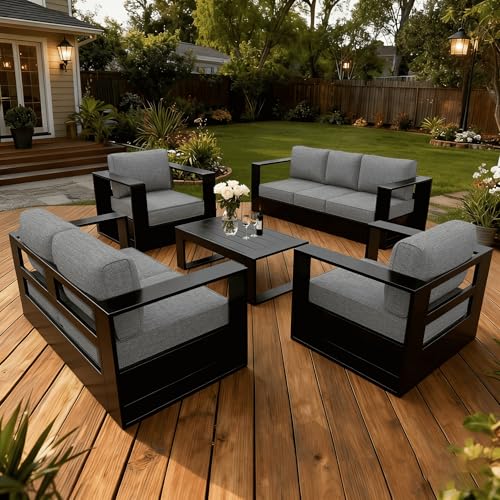
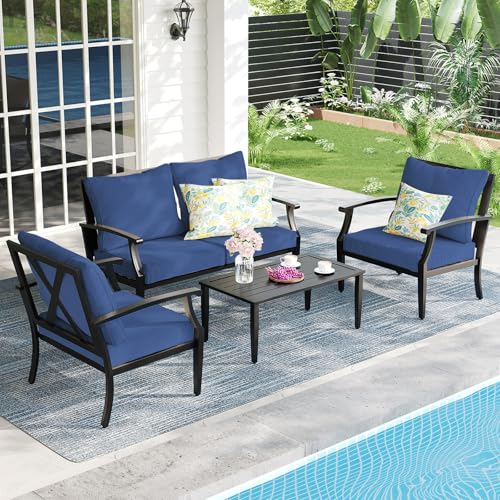
Most patio chairs are built for upright dining, with shallow seats and thin pads. Deep seating patio furniture takes a different approach. With a seat depth of roughly 24 to 30 inches and plush back cushions, it recreates the relaxed posture of an indoor sofa. You can sink in, read for an hour, or host a long evening conversation without shifting position. For homeowners researching before a purchase, the key questions usually come down to three things: what the frame is made of, how the cushions are built, and whether the set fits the space. This guide answers each in turn, then connects the details to real-world layout decisions and maintenance routines.
If you are still comparing furniture categories more broadly, our overview of cool outdoor furniture helps you see where deep seating fits alongside dining sets, bistro tables, and loungers.
Frame Materials: The Structural Foundation
The frame determines how long a set lasts and how much maintenance it demands. Four materials dominate the market, and each suits a different climate and commitment level.
Powder-Coated Aluminum
Aluminum is lightweight, rust-proof, and the most common frame for mid-range through luxury deep seating. A powder-coated finish resists chipping and fading. Because aluminum does not corrode, it performs well in coastal and humid climates. The trade-off is weight: a quality aluminum frame is light enough to rearrange easily, which some buyers interpret as less substantial, but modern designs with reinforced welds feel solid.
Steel and Wrought Iron
Steel offers a heavy, grounded feel and handles wind well. The risk is rust wherever the coating is scratched. High-grade steel with a rust-proof finish is typical of premium and professional-grade tiers. Wrought iron follows the same logic with a more traditional look, and our notes on cushions for vintage wrought iron outdoor furniture cover how to pair modern deep seat pads with older frames.
Teak and Hardwood
Teak weathers to a silver patina and resists rot naturally. It is heavy, long-lasting, and a long-term investment. Hardwood frames pair especially well with deep seat designs because the wood's visual weight matches the substantial cushion profile. Expect to oil or seal periodically depending on the look you prefer.
Resin Wicker and Rattan
All-weather resin wicker over an aluminum frame delivers the woven texture of traditional rattan without the fragility. It is a strong choice for coastal and bohemian styles. The weave quality matters: tighter, UV-stabilized strands resist sagging and fading far better than loose weaves.
Cushion Construction: Where Comfort Lives
Deep seating lives or dies by its cushions. A beautiful frame with weak foam will feel flat within a season. When comparing sets, look at four elements.
- Foam density and type: High-resilience foam wrapped in polyester fiber is the balanced standard. Quick-dry foam with an open-cell structure drains faster and suits rainy climates. Higher-density foam holds shape longer and is common in premium and luxury tiers.
- Fabric: Solution-dyed acrylic is the benchmark for fade and mildew resistance. Look for a water-repellent finish and UV stabilization. Olefin is a solid alternative at the entry-level and mid-range.
- Cover construction: Zippered, removable covers simplify cleaning. Piping and box-edge stitching add structure and help cushions keep their shape.
- Attachment: Straps, ties, or hook-and-loop tabs keep seat cushions from sliding. This small detail matters more on deep seats because the cushion surface is larger.
If you already own a frame and want to upgrade the feel, our guides to deep seat cushions for outdoor furniture and deep seating cushions walk through sizing and fill options. For odd-sized pieces, custom outdoor cushions for patio furniture explains the measurement process.
Layout Planning: Matching the Set to Your Space
Deep seating occupies more floor area than dining furniture because the seats recline and the cushions add bulk. Before choosing a configuration, tape the footprint on your patio and confirm walkways of at least 30 inches.
Compact Patios and Balconies
A loveseat plus two deep seat chairs and a small coffee table fits most 10-by-10-foot patios. Corner arrangements work well on balconies because they use the railing edges. Curved pieces soften tight corners; our page on curved patio furniture shows how curved loveseats and sofas open up circulation.
Medium and Large Patios
An L-shaped sectional anchors a conversation zone and leaves room for a fire feature. Pairing deep seating with a fire pit is a popular combination, and deep seating patio furniture with fire pit covers the spacing and material considerations. For a single lounge chair to complete the arrangement, see our notes on the deep seat lounge chair.
Defining the Zone
Outdoor rugs visually ground a conversation set, and a coffee table at roughly 16 to 18 inches high keeps sightlines open. If your patio is covered, deep seating holds up especially well because cushions stay dry; our guide to covered patio design explains how to plan shade and furniture placement together.
Quality Tiers: What to Expect at Each Level
Deep seating spans a wide range of construction quality. Rather than focusing on numbers, compare sets by tier and the features each tier typically delivers.
| Tier | Typical Frame | Cushion Build | Best For |
|---|---|---|---|
| Entry-level | Powder-coated aluminum or resin wicker | Standard foam, olefin fabric | First patios, seasonal use, renters |
| Mid-range | Reinforced aluminum, tighter wicker weave | High-resilience foam, solution-dyed acrylic | Year-round home patios, daily use |
| Premium | Heavy-gauge aluminum, teak, high-grade steel | Density-tuned foam, quick-dry core, piping | Dedicated outdoor living rooms |
| Luxury / commercial-grade | Marine-grade aluminum, solid teak | Multi-layer foam, custom covers, replaceable cores | Hospitality use, long-term investment |
Mid-range models usually offer smoother cushion recovery and better fabric fade resistance than entry-level sets, while premium tiers focus on replaceable components and refined stitching. Feature-rich mid-tier sets are often the sweet spot for homeowners who want durability without stepping into luxury territory.
Care and Longevity
Deep seating rewards a simple routine. Brush off debris weekly, spot-clean fabric with mild soap and water, and let cushions air-dry fully before replacing them. During heavy rain, move cushions into a deck box or covered storage. For off-season storage, use breathable covers rather than sealed plastic so trapped moisture can escape.
Frame care depends on material: wipe aluminum and wicker with a damp cloth, touch up steel chips promptly, and oil teak annually if you want to preserve its honey tone. Our guides to cushion storage and custom canvas covers for outdoor furniture go deeper on storage and protection. If you are refreshing an existing set, deep replacement cushions for outdoor furniture explains how to match sizes to older frames.
Frequently Asked Questions
What is deep seating patio furniture?
Deep seating refers to outdoor seating with a seat depth of roughly 24 to 30 inches and thick back cushions. The deeper profile supports your legs and lets you recline, similar to indoor living room furniture.
How do I choose the right configuration?
Measure your space and keep walkways at least 30 inches wide. Compact patios suit a loveseat plus two chairs; larger patios can fit L-shaped sectionals or full conversation sets with a coffee table.
What cushion filling is best?
High-resilience foam wrapped in polyester fiber is the balanced standard. Quick-dry open-cell foam drains faster in rainy climates, while higher-density foam holds shape longer and appears in premium and luxury tiers.
How do I protect cushions from weather?
Choose solution-dyed acrylic fabrics with a water-repellent finish, store cushions during heavy rain, and use breathable covers for off-season storage. Avoid sealed plastic, which traps moisture.