Cool Cheap Outdoor Furniture: A Smart Guide to Stylish Patio Finds
Outdoor furniture does not have to look like a compromise. With the right material choices, design cues, and a tier-by-tier mindset, you can build a patio that feels intentional and inviting while staying sensible about your investment.
Explore Cool PicksThe PatioFocus angle: "Cool" is a design result, not a tier label. In this guide we break down how entry-level and mid-range outdoor furniture can still look sharp and hold up, which materials deliver the best balance, and the design moves that make any patio feel pulled together.
What Makes Outdoor Furniture Look Cool in the First Place?
Before shopping, it helps to understand why some patio setups feel effortless and others feel unfinished. The answer is rarely about how much a piece belongs to a high-end tier. It usually comes down to three things: silhouette, material cohesion, and how well the collection works as a whole.
- Silhouette and proportion: Clean lines and balanced leg spacing photograph well and read as modern. A well-proportioned entry-level dining set can look more refined than an oversized high-end piece that overwhelms a small deck.
- Material cohesion: Pick one dominant frame material (powder-coated aluminum, steel, or resin wicker) and one secondary accent (wood or HDPE lumber). Mixing too many finishes is the most common reason patios look cluttered.
- Color discipline: A two-tone palette, such as charcoal frames with warm sand cushions or black frames with deep green textiles, reads more curated than a multi-color mashup. Neutral cushions are an easy way to future-proof a set.
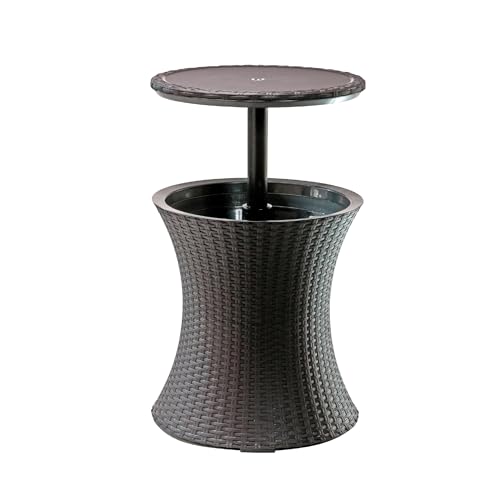
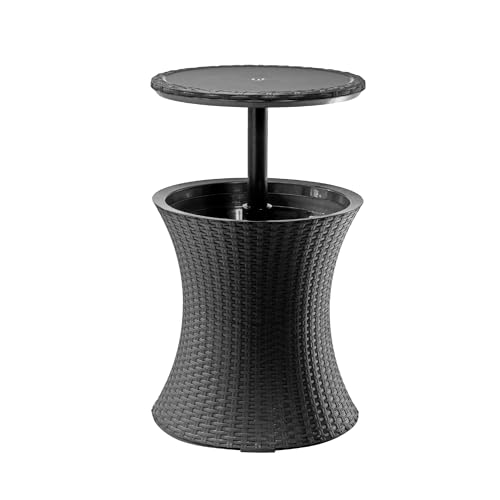
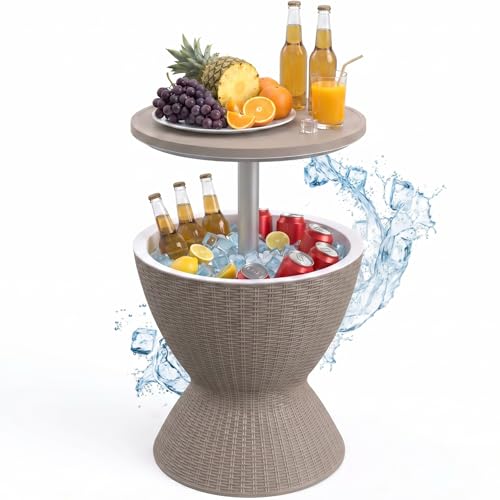
- Texture layering: Outdoor rugs, throw pillows, and a woven side table add visual depth without adding structural cost to the main pieces.
- Proportion to the space: A cool patio is one where people can move. Leave clear walkways and avoid packing a small balcony with too many pieces, even if each piece is well-chosen.
A Tier-by-Tier Way to Think About Outdoor Furniture
Because outdoor furniture positioning varies so much by brand, it helps to classify pieces by the features they deliver rather than by anything else. The table below is a practical framework you can apply to almost any retailer.
| Tier | Typical Build Signals | Best For | What to Watch |
|---|---|---|---|
| Entry-level / starter tier | Powder-coated steel or thin aluminum frames, friction-fit assembly, resin wicker over metal, basic polyester cushions | First patios, balconies, seasonal use, renters, and buyers who want a fresh look with low commitment | Check joint quality and cushion cover removability; expect to replace textiles sooner than frames |
| Mid-range / balanced tier | Thicker aluminum frames, welded or reinforced joints, UV-stabilized resin wicker, solution-dyed acrylic cushions, rust-proof hardware | Year-round patios, family use, households that want a set to last multiple seasons without major upkeep | Verify warranty coverage on frames and textiles; confirm cushion thickness and cover material |
| High-end tier | Solid teak or high-grade aluminum, mortise-and-tenon or fully welded joinery, premium performance textiles, modular systems | Long-term patio builds, design-forward spaces, and buyers planning a single investment piece | Confirm the care routine; premium materials still need maintenance to keep their finish |
Materials That Deliver the Best Balance of Look and Longevity
Material choice is the single biggest lever on how long an outdoor set looks good. The right combination can make an entry-level set feel far more refined than its tier suggests, while a poorly chosen high-end material can age quickly in harsh conditions.
Powder-Coated Steel
Strong and shape-holding, powder-coated steel is common in starter-tier dining sets and bistro collections. It accepts a matte finish beautifully, which reads as modern. The key is the coating quality and joint construction.
Look for: uniform coating, welded or reinforced joints, and rust-proof hardware at stress points.
Powder-Coated Aluminum
The balance point for many buyers. Aluminum resists rust, stays relatively light, and holds clean lines well. It is a strong choice for lounge seating and dining frames that face constant sun and rain.
Look for: thicker tube walls, welded corners, and a finish that covers edges evenly.
UV-Stabilized Resin Wicker
Woven resin over an aluminum frame delivers the texture of natural wicker without the maintenance. It looks especially good in lounge and conversation sets and pairs well with neutral cushions.
Look for: tight, consistent weave, no sharp strand ends, and a frame that does not flex under load.
HDPE Lumber & Solid Wood
High-density polyethylene lumber is a strong option for benches and tables that face constant weather. Solid teak and similar hardwoods bring warmth and age gracefully, but need periodic care to keep their look.
Look for: sealed end grain on wood, and consistent color through the material on HDPE.
Design Moves That Make Any Tier Look Curated
These are the highest-leverage styling decisions you can make. None of them require a higher tier, and all of them work with entry-level pieces.
- Anchor with a rug: An outdoor rug defines the seating zone and makes a collection of individual pieces read as a single room.
- Repeat one accent color: Pick one hue and repeat it in cushions, planters, and a small side table. Repetition is what makes a patio look intentional.
- Use a consistent cushion line: Upgrading cushions across an entire set, even an entry-level one, is often the single biggest visual improvement you can make.
- Add a sculptural planter: One oversized planter can carry a whole corner visually and costs far less than adding more furniture.
- Layer lighting: A combination of string lights and a small table lamp transforms the evening mood and is one of the most efficient upgrades available.
If you are still narrowing down the broader category, our cool outdoor furniture guide covers the full range of styles and silhouettes worth considering, while this page focuses on how to do it within a sensible tier.
Space Planning for Smaller Patios and Balconies
Cool design on a smaller footprint is mostly about editing. A few rules keep a compact patio from feeling crowded while still looking complete.
- Choose one focal piece: A bistro set or a single loveseat is enough for a small balcony. Resist the urge to fill every corner.
- Go vertical: A tall planter or a vertical garden adds depth without eating floor space.
- Prioritize multi-use: A storage bench doubles as seating and keeps cushions out of the weather.
- Keep walkways clear: A cool patio is one people can move through comfortably.
For a deeper walkthrough of layouts and furniture sizing, see our dedicated guide to deck furniture arrangements.
A Practical Buying Checklist for Cool Outdoor Furniture
Use this checklist before committing to any set. It applies equally to entry-level and mid-range pieces and helps you avoid the most common regrets.
- Measure twice: Confirm the footprint and the walkway clearance before ordering.
- Check the frame specification: Thicker aluminum and welded joints outlast thin tubular frames with friction-fit assembly.
- Confirm cushion cover removability: Washable covers extend the visual life of any set.
- Look for UV-stabilized materials: Resin wicker and performance textiles that resist fading keep their look longer.
- Verify warranty coverage: Frame and textile warranties are a useful signal of how a brand positions its own product.
- Plan storage: A deck box or storage bench protects cushions and keeps the set looking sharp between uses.
Frequently Asked Questions
What makes outdoor furniture look cool without a high-tier investment?
Design cohesion matters more than the tier label. A consistent color palette, a single statement material such as woven resin or powder-coated steel, and well-chosen cushions can make entry-level pieces read as a curated outdoor room. Focus on silhouette and proportion first, then layer textiles and lighting to elevate the look.
How can I tell if entry-level outdoor furniture is well built?
Check the frame material and joint construction first. Powder-coated steel and aluminum frames with welded or reinforced joints last longer than thin tubular frames with friction-fit assembly. Look for rust-proof hardware, UV-stabilized resin wicker, and cushions with removable, washable covers. Weight is also a useful signal: a piece that feels solid usually has more material in the frame.
Which outdoor furniture materials offer the best balance of durability and design?
Powder-coated aluminum is the sweet spot for many buyers: it resists rust, stays relatively light, and accepts a wide range of finishes. UV-stabilized resin wicker over an aluminum frame delivers a woven look with lower maintenance. High-density polyethylene (HDPE) lumber is a strong option for benches and tables that face constant sun and rain.
Do I need to treat or cover outdoor furniture to keep it looking good?
Yes, routine care extends the life of any tier. Rinse frames and textiles periodically, store cushions when not in use, and use breathable covers during long stretches of harsh weather. Touching up powder-coated finishes and tightening hardware at seasonal intervals prevents small issues from becoming replacements.
Ready to Shortlist Your Set?
Browse our curated selections of cool outdoor furniture below. Every piece was chosen for silhouette, material quality within its tier, and how well it holds up over multiple seasons.
View Recommended Picks