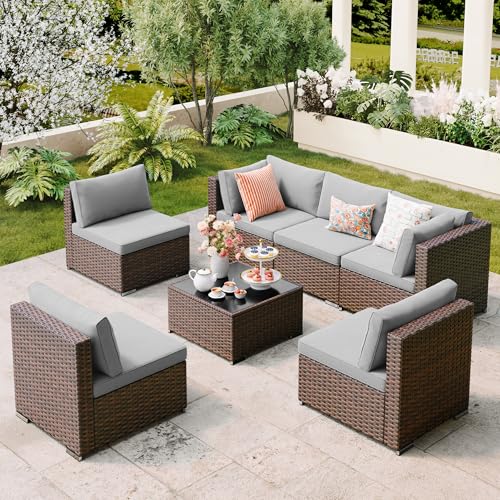
Deck Furniture: Complete Buying Guide
Everything you need to choose, arrange, and care for deck furniture — from seating and dining sets to shade, storage, and seasonal protection. Informed decisions for a deck that works beautifully all year.
Why Deck Furniture Deserves Careful Planning
A deck is one of the most versatile outdoor surfaces a home can have. It sits above grade, drains quickly, and often connects directly to living spaces — which means the furniture placed on it becomes an extension of the home itself. Unlike a ground-level patio, a deck has structural limits, exposed framing, and a surface that needs protection from constant foot traffic and shifting weight. Choosing the right deck furniture is therefore both a design decision and a practical one.
Visitors researching deck furniture are usually past the browsing stage. They have measured their deck, identified whether they need a dining zone, a lounging zone, or both, and are now comparing construction quality, material behavior, and long-term maintenance demands. This guide is structured to answer those deeper questions: how each furniture category performs on a deck surface, which material tiers suit which climate, and how to lay out pieces so the deck remains walkable and safe.
Seating: Chairs, Benches, and Loungers
Seating is the backbone of any deck layout. Most residential decks support three overlapping seating roles: everyday relaxation, social conversation, and sun lounging. Treating these as separate needs helps prevent overbuying and keeps the deck from feeling crowded.
Deck Chairs and Lounge Chairs
Standard deck chairs are the most flexible seating category. Look for frames that sit flat and stable on deck boards, with feet that will not catch on gaps between planks. Stackable designs are useful for smaller decks because they can be collapsed and moved when the space needs to serve a different purpose. For dedicated relaxation, deck lounge chairs with adjustable backrests add a reclining option without requiring a full chaise.
When comparing chairs, pay attention to seat height and armrest clearance. Chairs that will be paired with a dining table should have seat heights that match the table apron; chairs intended for lounging can sit lower. Cushioned models add comfort but require storage planning, while cushionless patio furniture options are simpler to maintain in wet or windy conditions.
Deck Benches
A deck bench is one of the most space-efficient seating solutions available. A backless bench can slide under a table or sit against a railing, while a bench with a backrest functions as a standalone seating anchor. Benches are particularly useful along deck edges where individual chairs would block walkways. For decks with a fire feature or a view, a curved or angled bench arrangement can define a conversation zone without the visual clutter of many separate chairs.
Loungers and Deep Seating
For decks that receive strong afternoon sun, a lounger or a deep-seat chair provides a dedicated relaxation spot. Deep seating pieces are heavier and occupy more floor area, so they work best on decks that are at least 10 feet wide in the lounging zone. If the deck is smaller, a single reclining chair paired with a side table often delivers more usable comfort than a full deep-seat set.
Everyday Seating
Stackable chairs and a small bench. Lightweight, easy to rearrange, ideal for multi-use decks.
Conversation Zone
Curved bench or four chairs around a low table. Encourages face-to-face interaction.
Sun Lounging
Reclining lounge chairs or a chaise. Best placed where the deck gets the most direct light.
Dining Tables and Entertaining Pieces
Dining furniture turns a deck into a usable outdoor room. The two most common configurations are a dedicated dining table and a compact bistro or counter-height setup. The right choice depends on how often the deck hosts meals, how many people typically gather, and whether the deck also needs open floor space for circulation.
Deck Tables and Chair Sets
A deck table should be sized to the deck, not to the maximum number of guests imaginable. A table that seats four comfortably will be used far more often than one that seats eight but dominates the space. A deck table and chairs set simplifies purchasing because the proportions are already matched, but check that the chairs can be pushed fully under the table to reduce the stored footprint.
Round tables are efficient on decks because they eliminate corner collisions and allow chairs to be added or removed without reorienting the whole arrangement. Rectangular tables suit narrow decks and align well with railing lines. If the deck has a view or a focal point, orient the table so diners face it rather than facing the house.
Counter-Height and Bar Options
Counter-height tables are a strong fit for decks with railings because the elevated seating line lets guests see over the rail. They also pair naturally with counter-height outdoor tables that double as serving surfaces. For decks with limited floor area, a counter-height table with stools can replace both a dining table and a bar area.
Serving and Side Pieces
Side tables, serving carts, and small consoles make dining on a deck practical. A side table between two chairs holds drinks and a book; a narrow console against the house wall can hold serving items and keep the table clear. On decks with a built-in bench, a small movable side table completes the arrangement without adding a fixed footprint.
Shade and Comfort Systems
Shade is not a luxury on a deck — it directly determines how much the space can be used during the middle of the day. Deck shade solutions range from simple umbrellas to permanent structures, and the right choice depends on wind exposure, deck construction, and whether the shade needs to be removable.
Deck Umbrellas
A deck umbrella is the most flexible shade option. Market umbrellas with a crank and tilt mechanism can follow the sun through the day. On windy decks, an umbrella with a weighted base is essential; the base should be heavy enough that the umbrella does not tip in a gust, and it should be positioned so it does not become a trip hazard. Cantilever umbrellas are useful over dining tables because the offset pole keeps the table perimeter clear.
Structural Shade
Pergolas, awnings, and shade sails provide more permanent relief but require structural planning. A freestanding pergola can be placed on a deck without attaching to the house, while a retractable awning needs secure mounting. For decks that already have a roof or an overhang, a simple shade sail or a retractable canopy can extend the covered zone without major construction.
Comfort also comes from airflow and temperature control. A patio heater extends the usable season into cooler months, and a fan or misting system improves comfort during hot periods. These systems should be placed so cords and fuel lines do not cross walkways.
Storage and Organization
Decks accumulate items quickly: cushions, throws, grill tools, toys, and seasonal décor. Storage furniture keeps the deck functional and protects accessories from weather. The two main categories are deck boxes and integrated storage benches.
Deck Boxes
A deck box is the simplest storage solution. It doubles as a bench in many designs and keeps cushions dry during rain. Look for boxes with a water-resistant seal, a lid that stays open when lifted, and a latch that will not rust. A deck storage box placed against the house wall or under a window keeps the deck perimeter clear while providing quick access to frequently used items.
Integrated Storage
Storage benches and tables with lift-up lids combine seating and organization. A storage bench along a railing can hold cushions during the off-season and provide seating during gatherings. For decks with limited floor area, an integrated storage table keeps the footprint compact while hiding clutter.
Material and Tier Comparison
Deck furniture materials fall into a few broad families: metal, wood, resin, and wicker. Each has a distinct maintenance profile and a different position in the market. The table below uses universal tier descriptors rather than any numeric figures, so the comparison stays useful regardless of when it is read.
| Material | Market Tier | Best For | Maintenance Demand |
|---|---|---|---|
| Powder-coated aluminum | Mid-range to premium | Low-maintenance seating and dining frames | Low — wipe down seasonally |
| High-grade steel | Premium | Heavy-duty benches and structural pieces | Moderate — inspect for coating wear |
| Teak and cedar | Premium to luxury | Natural-look dining sets and benches | Moderate — seal or oil annually |
| HDPE resin lumber | Mid-range | Weather-proof benches and storage | Low — soap and water cleaning |
| All-weather wicker over aluminum | Entry-level to mid-range | Deep seating and lounge chairs | Low to moderate — cover in winter |
Entry-level resin and wicker sets are well-suited to covered decks and mild climates, where their lighter construction is less exposed to wind and UV stress. Mid-range aluminum and resin-lumber pieces offer the best balance for most residential decks: they resist rust and rot, they are light enough to rearrange, and they tolerate year-round exposure. Premium and luxury tiers — solid teak, high-grade steel, and commercial-grade aluminum — make sense for decks that are used heavily, exposed to coastal salt air, or intended to hold their appearance for many seasons.
For deck surfaces that are already weathered or uneven, choose furniture with adjustable feet or broad contact points. Narrow metal legs can concentrate weight and mark soft deck boards; wide feet or glides distribute the load more evenly.
Layout and Measurement Strategy
A deck layout succeeds when it separates activity zones without fragmenting the space. The most reliable approach is to define two or three zones — dining, lounging, and circulation — and then place furniture so each zone has clear access to the others.
Step-by-Step Layout Method
- Mark the walkway first. The path from the house door to the deck stairs or railing should remain at least 36 inches wide. Everything else is placed around this corridor.
- Anchor the dining zone. Place the table where chairs can pull out without hitting a railing, and where serving access from the house is shortest.
- Add the lounging zone. Position lounge chairs or deep seating toward the view or the sunniest corner, keeping a clear line to the dining area.
- Fill the edges. Benches, storage boxes, and planters work best along railings and walls, where they add function without blocking movement.
- Test the shade. Set the umbrella or shade structure before finalizing seating positions; shadow patterns change through the day and across seasons.
Common Layout Mistakes
- Placing a large table in the center of a small deck, which leaves no pull-out space.
- Using too many individual chairs instead of a bench, which fragments the seating area.
- Ignoring wind exposure — lightweight pieces on an open deck need anchoring or heavier frames.
- Skipping the storage plan, which leads to cushions and accessories being left out in the weather.
For decks that must serve multiple purposes, choose furniture that can change roles. A bench that doubles as storage, a table that can be moved to the railing for serving, and stackable chairs give the deck flexibility without requiring a larger footprint.
Care and Seasonal Protection
Deck furniture care is mostly about managing moisture and UV exposure. A consistent routine extends the life of every material type and keeps the deck looking maintained.
Routine Maintenance
- Clean regularly: Rinse frames and wipe cushions monthly during the season. Use mild soap and avoid abrasive cleaners on powder-coated surfaces.
- Inspect fasteners: Check bolts, screws, and welds at the start of each season. Loose connections worsen with wind movement.
- Protect wood: Reapply sealant or oil to wooden pieces annually, and sand minor surface marks before refinishing.
- Store textiles: Bring cushions and throws indoors during heavy rain or when the deck will be unused for extended periods.
Seasonal Protection
Before the cold season, clean and dry all furniture, apply a fresh protective coat to wood, and store removable cushions indoors. Use breathable covers on pieces that remain outside, and elevate legs slightly to prevent standing water from wicking into the frame. Check covers after storms to ensure they are not trapping moisture.
Frequently Asked Questions
What is the most durable material for deck furniture?
High-grade aluminum and powder-coated steel offer the best balance of durability and low maintenance for deck furniture. Solid wood such as teak and cedar provides natural beauty and longevity when properly sealed. High-density polyethylene (HDPE) lumber is an excellent weather-proof alternative that resists rot, insects, and fading.
How do I protect deck furniture during winter?
Clean and dry all pieces thoroughly, apply a fresh sealant to wood surfaces, store cushions indoors, and use breathable furniture covers for pieces that remain outside. Elevate items slightly to prevent moisture buildup and check straps and fasteners before the cold season arrives.
How much space do I need for a deck dining set?
Allow at least 36 inches of clearance around the table for comfortable chair pull-out. For a four-person rectangular table, plan for a footprint of roughly 8 feet by 8 feet. A round table for four typically fits within a 7-foot diameter zone.
Should I choose a bench or individual chairs for a small deck?
A bench is usually the better choice for a small deck because it seats multiple people in a compact footprint and can sit flush against a railing. Individual chairs are more flexible for conversation layouts but require more floor space for the same seating capacity.
How do I keep deck furniture from blowing over?
Choose heavier frames or pieces with broad bases, add weighted bases to umbrellas, and position lightweight chairs behind a railing or windbreak when not in use. Anchoring straps are also an option for benches and storage boxes on exposed decks.