Deck Bench Buying Guide
Discover the perfect outdoor bench for your deck, patio, or garden. Compare materials, styles, and prices to make an informed choice.
Why a deck bench? A well-chosen bench adds seating, charm, and functionality to any outdoor space. Whether you need extra seating for gatherings or a quiet spot to enjoy your morning coffee, this guide covers everything you need to know before buying.
Types of Deck Benches
Wooden Benches
Classic and timeless. Wood benches offer natural beauty and can be stained or painted to match your style.
- Pros: Aesthetic, customizable, durable with proper care.
- Cons: Requires regular maintenance (sealing, painting).
Popular choices include Teak, cedar, and acacia.
Metal Benches
Modern and sturdy. Aluminum and wrought iron benches are weather-resistant and low-maintenance.
- Pros: Durable, rust-resistant (aluminum), sleek design.
- Cons: Can get hot in direct sun; may need occasional repainting.
Consider cast aluminum for intricate designs.
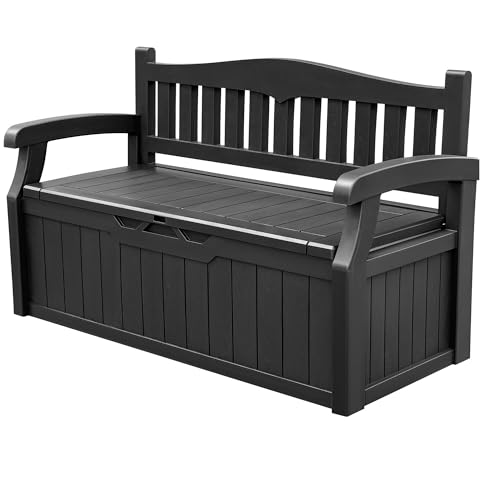
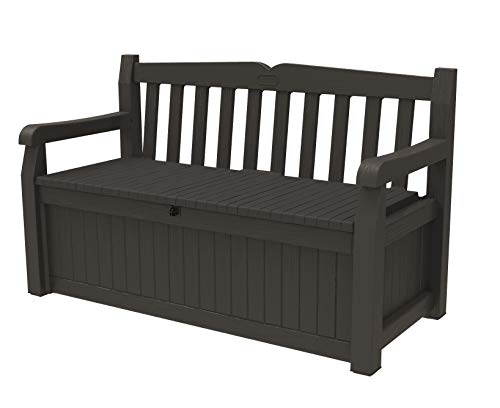
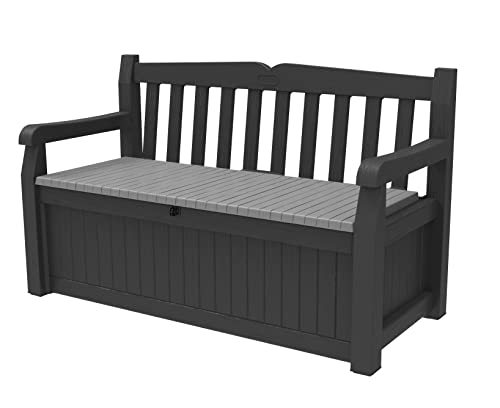
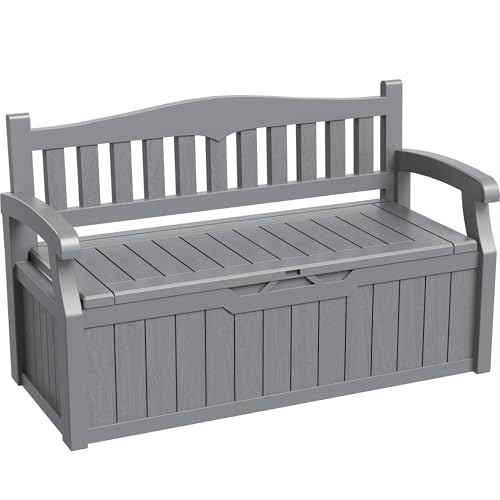
Resin / Plastic Benches
Affordable, lightweight, and weatherproof. Perfect for busy families or coastal areas.
- Pros: Low maintenance, won't rot or rust, easy to clean.
- Cons: Less premium feel; may fade in intense sunlight.
Great for folding or portable options.
What to Look for in a Deck Bench
Material & Durability
Choose based on your climate. Wood suits dry areas; metal and resin are better for humid or coastal zones.
Seating Capacity
Benches range from 2-seater (48″) to 6-seater (96″). Measure your space and consider how many people you'll typically seat.
Weight & Portability
If you like to rearrange, opt for lighter materials like resin or aluminum. For permanent placement, heavier wood or iron is ideal.
Style & Design
From rustic farmhouse to sleek modern, there's a bench for every aesthetic. Rattan and wicker add a boho touch.
Placement & Styling Tips
Where to place your deck bench: Near a garden, under a tree, or on your porch. Pair with a small side table for drinks or books. Add outdoor cushions for extra comfort. For smaller spaces, a compact bench works wonders.
Front Porch
A wooden or wicker bench creates a warm welcome. Add a couple of potted plants and a doormat for a cohesive look.
Garden Nook
Place a metal or resin bench amidst flowers. A storage box nearby can hold gardening tools.
Maintenance & Care
- Wood: Seal annually with outdoor wood oil or stain. Clean with mild soap and water.
- Metal: Wipe down after rain to prevent rust. Touch up paint as needed.
- Resin: Hose down regularly. Use a plastic cleaner for stubborn stains.
Budget & Price Ranges
Entry-Level
Basic resin or folding benches. Great for occasional use or small spaces.
Mid-Range
Quality wood (cedar, acacia) or powder-coated metal. Durable and stylish.
Premium
Teak, wrought iron, or custom-made benches. Heirloom quality and timeless appeal.
Frequently Asked Questions
Can I leave a wooden bench outside in winter?
Yes, but cover it with a waterproof tarp and apply a protective sealant before winter. Consider patio storage for cushions.
What is the best material for a deck bench?
It depends on your climate and style preference. Teak and cedar are excellent for natural looks; aluminum and resin are low-maintenance and weatherproof.
How much weight can a deck bench hold?
Most benches hold 400–600 lbs. Check the product specifications for exact weight limits, especially for folding or lightweight models.
Ready to find the perfect deck bench? Explore our top recommendations below.