Deck Chairs: The Complete Buying Guide for Outdoor Comfort
Everything you need to know about choosing deck chairs that fit your space, your climate, and the way you actually relax outdoors.
The short answer: The best deck chair for most homeowners is a folding or stackable chair with an aluminum or powder-coated steel frame and a weather-resistant seat material. It balances comfort, durability, and storage convenience without overwhelming a deck.
If you entertain often, look for stackable chairs with wider seats. If you sunbathe or read for hours, a reclining deck chair with adjustable back positions will serve you better. If your deck is small, folding chairs that collapse flat are the most practical solution.
Deck chairs sit at the intersection of comfort and practicality. Unlike deep-seat lounge furniture, they are designed to be moved, folded, stacked, and stored without much effort. That makes them one of the most versatile pieces of outdoor seating you can own — whether you have a compact apartment balcony, a mid-sized wooden deck, or a sprawling backyard terrace.
This guide walks you through frame materials, seat construction, reclining mechanisms, weight capacity, and care requirements so you can make a confident decision. If you are still mapping out the broader layout of your outdoor area, our deck furniture overview is a useful companion read before you commit to a seating plan.
What Makes a Good Deck Chair?
A deck chair is not simply a chair placed on a deck. The category has a few defining traits that separate it from dining chairs or deep-seat patio sofas. Understanding these traits helps you filter the market quickly.
- Lightweight frame construction. Deck chairs are meant to be repositioned throughout the day as the sun moves. Aluminum and hollow steel are common because they keep weight manageable without sacrificing rigidity.
- Weather-ready materials. Seat surfaces are usually woven fabric, sling mesh, or treated wood. These shed rain, resist UV fading, and dry quickly after a shower.
- Foldable or stackable design. Storage efficiency is a core part of the deck chair concept. Most models collapse flat or nest together so you can reclaim floor space when the season ends.
- Reclining or adjustable backrest. Many deck chairs offer two to five backrest positions, letting you switch from upright conversation to full recline for sunbathing.
Comfort is subjective, but the structural elements above are consistent across quality deck chairs. If a chair lacks two or more of these traits, it is probably better classified as a patio dining chair or an accent seat rather than a true deck chair.
Deck Chair Frame Materials Compared
The frame determines how long your chair lasts, how much it weighs, and how much maintenance it demands. Here is how the four most common materials stack up against each other.
Aluminum Top-tier
The most popular frame material for deck chairs because it is light, rust-proof, and holds up well in coastal or humid climates.
- Does not rust or corrode
- Lightest option for easy repositioning
- Powder-coated finishes resist scratching
- Can feel less rigid than steel in very large chairs
Powder-Coated Steel Mid-range
A solid, heavy-duty choice that feels stable and holds its shape well over years of use. Heavier than aluminum but generally more rigid.
- Excellent structural stability
- Good for windy decks because it stays put
- Needs a quality coating to prevent rust
- Heavier to move around
Teak & Hardwood Premium
Classic wooden deck chairs bring warmth and a natural look that pairs well with timber decks and garden settings.
- Naturally resistant to rot and insects
- Ages into a silver-grey patina if untreated
- Requires periodic oiling to maintain color
- Heavier and typically folding-only
Resin & Plastic Entry-level
A practical starter tier for casual seating. Resin chairs are lightweight, easy to clean, and available in stackable designs.
- Very light and easy to stack
- Resists moisture and fading reasonably well
- Less rigid under heavy use
- Best suited to occasional or seasonal use
For a deeper look at how wooden pieces fit into a broader outdoor scheme, the deck bench guide covers complementary seating that pairs naturally with wooden deck chairs.
Seat Materials: Sling, Fabric, Mesh, and Wood
The seat surface has the biggest impact on comfort and drying time. Each material has a distinct personality.
Sling Seating
Sling chairs use a taut fabric panel stretched across the frame. They offer gentle suspension support, dry fast, and clean up with a damp cloth. Sling chairs are a good match for poolside decks because they do not hold water.
Woven Fabric & Cushioned Seats
Fabric seats with removable cushions feel softer and look more residential. Choose solution-dyed acrylic or olefin covers, which resist UV fading and mildew. Removable, machine-washable covers are a major convenience if you have pets or children. Our outdoor cushion guide explains fill types and fabric ratings in detail.
Textilene & Mesh
Textilene is a PVC-coated woven mesh that stays cool in direct sun and drains instantly. It is a strong choice for hot climates where vinyl or fabric seats can become uncomfortable.
Wooden Slat Seats
Slatted wooden seats are traditional and visually warm. They are less forgiving on long sits unless paired with a cushion, but they are extremely durable and easy to refinish.
Reclining vs. Fixed Back Deck Chairs
Deck chairs generally fall into two functional groups: fixed-position chairs and multi-position recliners.
Fixed-back chairs are simpler, lighter, and typically more stable. They suit dining-height conversation, casual reading, and spaces where the chair doubles as extra seating for guests. They are also the easiest to stack.
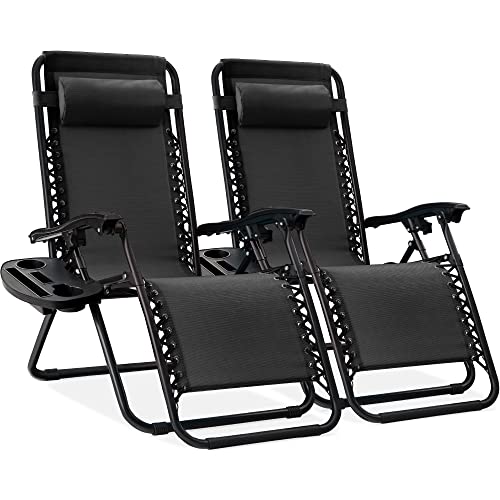
Reclining deck chairs add a hinge mechanism that lets the backrest drop through several positions, sometimes all the way flat. These are the better pick for sunbathing, napping, and long afternoons with a book. The trade-off is slightly more weight and a mechanism that needs occasional lubrication and cleaning to stay smooth.
Buying tip: Test the recline mechanism in person if possible. A good recliner locks firmly into each position with an audible click or a secure latch. Loose hinges that slide under body weight are the most common failure point on mid-range reclining chairs.
Deck Chair Size, Weight Capacity, and Fit
Deck chairs are not one-size-fits-all. Before ordering, measure your deck and consider how the chairs will be arranged.
- Seat width: Standard deck chairs sit around 18 to 20 inches wide. Wider models (22 inches and up) are noticeably more comfortable for larger adults but take up more room when grouped around a table.
- Seat height: Most deck chairs sit at 15 to 17 inches from the ground. This is lower than dining chairs, so pair them with a low deck table or use them as standalone loungers.
- Weight capacity: Check the manufacturer's rated capacity. Heavy-duty frames in the 300 to 350 pound range are common on mid-range and premium chairs. If you need reinforced seating, look for chairs described as commercial-grade.
- Footprint when folded: Folding chairs should collapse to a depth of 4 to 8 inches for easy wall storage. Stackable chairs usually nest to about half their open height.
If your deck is on the smaller side, our guide to deck storage solutions shows how to keep folding chairs accessible without cluttering the space.
Deck Chair Tiers at a Glance
Deck chairs fall into clear quality tiers. The table below summarizes what each tier typically delivers so you can match the chair to your intended use.
| Tier | Typical Frame | Best For | Expected Lifespan |
|---|---|---|---|
| Entry-level | Resin or thin steel | Occasional seating, rentals, seasonal use | A few seasons with care |
| Mid-range | Powder-coated aluminum or steel | Everyday family use, regular entertaining | Several years of regular use |
| Premium | Heavy-gauge aluminum, teak, or hardwood | Daily use, sunbathing, long reading sessions | Many years with seasonal maintenance |
| Commercial-grade | Reinforced aluminum or steel | High-traffic decks, vacation rentals, shared spaces | Extended service life under heavy use |
Most homeowners are well served by the mid-range tier. It offers a good balance of stability and portability, and it holds up to daily summer use without demanding much maintenance. Premium and commercial-grade chairs make sense when the chair will be used year-round or shared by many people.
Space-Saving and Folding Deck Chair Designs
Storage efficiency is one of the strongest arguments for deck chairs over fixed patio seating. Here are the most useful configurations for compact spaces.
Flat-Folding Chairs
These collapse into a narrow profile that slides behind a door, into a deck box, or against a wall. They are the best choice for balconies and small decks where floor space is precious.
Stackable Chairs
Stackable designs nest upward rather than folding flat. They are slightly bulkier to store but faster to set out for guests. A stack of four chairs can be ready in under a minute.
Sling Chairs with Removable Frames
Some sling chairs let you detach the fabric from the frame, which makes off-season cleaning and fabric replacement much easier. This is a nice long-term feature if you expect to keep the chair for many seasons.
For households that need to shelter furniture from rain or winter weather, covering patio furniture for winter explains how to protect folded chairs stored outdoors.
How to Choose Deck Chairs for Your Space
Use this checklist to narrow your options before you start comparing specific models.
- Measure the deck area you want to fill and leave at least 24 inches of walkway between chairs.
- Decide whether you need folding, stacking, or fixed chairs based on storage space.
- Match the frame material to your climate — aluminum for humid or coastal areas, teak for covered decks.
- Choose a seat material you can clean easily, especially if pets or children use the deck.
- Confirm the weight capacity exceeds the heaviest expected user by a comfortable margin.
- Check whether the chair reclines and how many positions the backrest offers.
- Look for UV-resistant finishes if the chairs will sit in direct sun all day.
- Verify that replacement parts, such as slings or cushions, are available.
- Confirm the chair ships assembled or that assembly is simple.
- Read care instructions and confirm they match the maintenance you are willing to do.
Care and Maintenance for Deck Chairs
Deck chairs are low-maintenance compared to upholstered patio furniture, but a few habits keep them in good condition for years.
- Rinse and dry regularly. A quick rinse with a garden hose removes pollen and dust. Wipe the frame dry to prevent water spots on metal finishes.
- Clean fabric and sling seats with mild soap. Avoid harsh solvents, which can strip UV coatings from woven materials.
- Oil wooden frames once or twice a year. Teak and hardwood benefit from a coat of outdoor furniture oil at the start and end of the season.
- Lubricate reclining hinges. A small amount of silicone spray keeps multi-position mechanisms moving smoothly.
- Store or cover during off-season. Folding chairs stored in a dry shed last significantly longer than chairs left out through winter.
If you are planning a full seasonal routine, pair these habits with the broader advice in our weatherproofing guide.
Deck Chairs vs. Other Outdoor Seating
Deck chairs are not the right answer for every deck. Here is how they compare with related seating types so you can choose confidently.
Deck Chairs vs. Patio Dining Chairs
Dining chairs are taller, firmer, and designed to sit at a table. Deck chairs are lower, more relaxed, and built to be moved and folded. If you mainly eat outdoors, dining chairs are the better pick. If you mainly relax, deck chairs win.
Deck Chairs vs. Lounge Chairs
Lounge chairs are larger, heavier, and often part of a deep-seat set. They offer more support for long sessions but are difficult to store. A deck lounge chair guide can help you decide whether to invest in a fixed lounger or stick with a portable deck chair.
Deck Chairs vs. Adirondack Chairs
Adirondack chairs are a specific design with a wide, angled back and broad armrests. They are excellent for lounging but are not foldable and take up considerable space. Deck chairs trade some of that lounge feel for portability and storage.
Deck Chairs vs. Beach Chairs
Beach chairs are built for soft sand and are typically lower and lighter. Deck chairs need firmer footing and slightly more structure. If you want one chair for both settings, look for a folding chair with broad feet that distribute weight.
Frequently Asked Questions About Deck Chairs
How many deck chairs fit around a small deck table?
A standard 32 to 36 inch round or square deck table comfortably seats two to three deck chairs. A 48 inch table fits four chairs. Leave at least 24 inches of space behind each chair so guests can push back without bumping into railings or planters.
Are aluminum deck chairs sturdy enough for daily use?
Yes. A well-built aluminum frame with a powder-coated finish is one of the most durable options for daily use. Aluminum does not rust, and heavy-gauge tubing holds its shape well. Check the rated weight capacity and look for reinforced joints rather than thin-walled tubing.
Can deck chairs stay outside all year?
Some can, but it depends on the materials. Aluminum frames with sling or Textilene seats handle year-round exposure well in mild climates. Wooden chairs need more protection, and any chair will last longer if it is folded and stored during the harshest months. If you leave chairs out, use a breathable cover that allows moisture to escape.
What is the most comfortable seat material for a deck chair?
Textilene and sling fabric are the most comfortable for hot weather because they stay cool and drain quickly. Cushioned fabric seats feel softer for long sits but require more care. If comfort is the top priority and the chair will sit under cover, a cushioned deck chair with removable, washable covers is the best choice.
How do I stop deck chairs from blowing over in wind?
Heavier frames resist wind better, so steel or teak chairs are more stable in exposed areas. Folding chairs can be laid flat or folded and stored when strong wind is forecast. For permanent setups, choose chairs with wider feet and lower centers of gravity. Avoid leaving lightweight resin chairs upright on an open deck during storms.
Do deck chairs need assembly?
Most folding and stackable deck chairs arrive fully assembled or require only the attachment of armrests or feet. Fixed-frame wooden chairs sometimes require partial assembly. Check the product listing for assembly requirements, and confirm that the tools needed are included if you prefer to avoid a trip to the hardware store.
How do I clean sling or mesh deck chair seats?
Mix a small amount of mild dish soap with warm water and scrub the surface with a soft brush. Rinse thoroughly and let the chair air dry in the shade. Avoid bleach and abrasive cleaners, which can break down the coating on woven mesh and cause premature fading.
Final Thoughts
Deck chairs are one of the most practical seating investments you can make for an outdoor space. They are easy to move, easy to store, and easy to live with. The key is matching the frame material to your climate, the seat material to your comfort preferences, and the folding or stacking design to your available storage.
Start with the tier that fits your intended use, then confirm the weight capacity, seat dimensions, and care requirements. A well-chosen set of deck chairs will serve you through many seasons with minimal effort. If you are furnishing the whole deck rather than just the seating, our deck vs patio comparison helps you think through the bigger layout decisions.
Ready to Explore Deck Chair Options?
Browse a curated selection of deck chairs below, compare features, and find the model that fits your deck and your relaxation style.