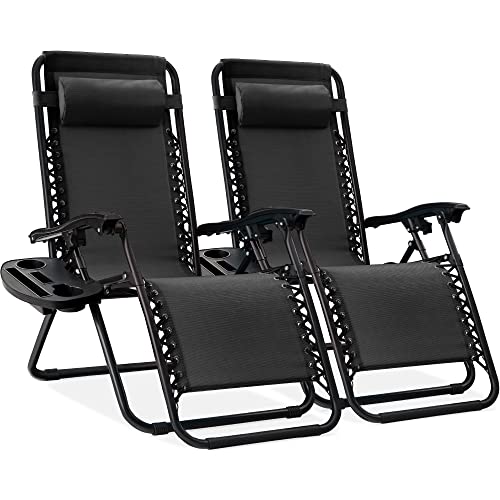
Deck Lounge Chairs: The Complete Buying Guide & Design Tips
Everything you need to choose comfortable, durable, and beautiful lounge chairs for your deck — from materials and sizing to styling and long-term care.
Why Deck Lounge Chairs Matter for Your Outdoor Space
A deck is more than a platform attached to your home — it is an open-air living room, a reading retreat, and a gathering spot for family and friends. Deck lounge chairs sit at the heart of that experience. They are the pieces you sink into after a long day, the seats guests drift toward during a weekend barbecue, and the furniture that defines how your outdoor space feels.
Unlike dining sets or benches, lounge chairs are designed around one core purpose: prolonged comfort. A well-chosen lounger supports your back, cradles your legs, and invites you to stay a little longer. When paired thoughtfully with side tables, shade, and soft lighting, deck lounge chairs transform a bare wooden surface into a destination.
If you are still deciding between a raised wooden deck and a ground-level patio, our deck vs patio comparison explains the structural and lifestyle differences that influence furniture choices. And if you are furnishing the broader space, the complete deck furniture guide covers tables, storage, and shade alongside seating.
Choosing the right lounge chairs is also a long-term investment decision. Outdoor furniture endures sun, rain, wind, and temperature swings. A chair built with durable construction and premium materials will outlast several lesser alternatives, making it efficient in the long run for any household.
Choosing the Right Material for Deck Lounge Chairs
Material determines how a lounge chair looks, how heavy it is, how much maintenance it needs, and how long it lasts. The table below compares the most common frame materials used in deck lounge chairs today.
| Material | Market Tier | Best For | Maintenance Level |
|---|---|---|---|
| Powder-Coated Aluminum | Mid-range to premium | Humid, coastal, and rainy climates | Low — rinse and wipe occasionally |
| Teak & Hardwood | Premium to luxury | Traditional, rustic, and natural aesthetics | Moderate — re-seal every year or two |
| Resin Wicker (HDPE) | Entry-level to mid-range | Woven looks with minimal upkeep | Low — clean with soapy water |
| Steel (Powder-Coated) | Entry-level to mid-range | Sturdy frames with classic profiles | Moderate — inspect for rust spots |
| Textilene & Sling Fabrics | Mid-range | Quick-drying, breathable seat surfaces | Low — hose down as needed |
Aluminum: Lightweight and Rust-Proof
Powder-coated aluminum is one of the most practical choices for deck lounge chairs. It resists corrosion, handles humidity well, and stays comparatively light, which makes rearranging your deck simple. Mid-range and premium aluminum frames often feature reinforced joints and high-grade steel hardware for added stability. If your deck is exposed to salt air or frequent rain, aluminum is a safe long-term investment.
Teak and Hardwood: Natural Warmth
Teak, acacia, and eucalyptus bring warmth and texture that synthetic materials struggle to replicate. Teak in particular contains natural oils that resist moisture and insects. Premium teak loungers age into a silver-gray patina if left untreated, or you can apply a sealant to retain the golden tone. Hardwood chairs are heavier, so plan their position before you assemble them. Pair them with deep-seat cushions for maximum comfort, and review our outdoor cushion guide to match fill and fabric to your climate.
Resin Wicker: Woven Style, Low Upkeep
High-density polyethylene wicker mimics the look of natural rattan while shrugging off moisture and UV exposure. Entry-level resin wicker is widely available, while mid-range versions offer tighter weaves and thicker frames. Resin wicker lounge chairs are a solid choice for covered decks and sunrooms, though they can fade over many years of direct sun. Complement them with breathable sling or fabric seats for hot afternoons.
Design tip: Mixing frame materials is acceptable if you keep one element consistent. For example, aluminum frames with teak side tables create a balanced, layered look without feeling mismatched.
Popular Styles and Designs of Deck Lounge Chairs
Style influences both the visual character of your deck and the way you use it. Below are the most common lounge chair profiles, with guidance on where each shines.
Chaise Lounges
The classic chaise lounge is long, low, and adjustable, designed for full-body reclining. It is the go-to choice for sunbathing, poolside decks, and lazy afternoons with a book. Look for multi-position backrests and wheels if you plan to move the chair with the sun. Our dedicated chaise lounge guide covers adjustment mechanisms and cushion options in depth.
Deep-Seat Lounge Chairs
Deep-seat chairs trade recline for enveloping comfort. With wide seats and thick cushions, they feel closer to an indoor armchair than a traditional outdoor lounger. They work beautifully on covered decks and screened porches. Explore the full range in our deep-seat lounge chair overview and match them with deep-seating patio furniture for a cohesive arrangement.
Club Chairs and Barrel Chairs
Upright and sociable, club chairs suit conversation areas and smaller decks where reclining is less important than gathering. Curved barrel profiles add a contemporary touch. If your deck leans modern, pair club chairs with a low concrete outdoor coffee table for a clean, architectural look.
Sling and Stackable Loungers
Sling chairs use a taut fabric seat suspended across the frame. They dry quickly, resist sagging, and stack for storage — a practical pick for renters or seasonal deck users. Stackable designs are especially useful when you host larger groups and need flexible seating.
Rocking and Swinging Loungers
For a gentler pace, rocking lounge chairs and porch swings bring motion and nostalgia to a deck. They pair well with shade structures and soft lighting. Browse our outdoor rocking chairs collection and covered porch swing options if you want a focal point that invites lingering.
Sizing and Placement: Making Your Deck Work
Even the most comfortable lounge chair feels wrong if it crowds the space or blocks a walking path. Before ordering, measure your deck and sketch a simple layout.
Standard Dimensions
- Chaise lounge: roughly 26–30 inches wide and 60–78 inches long when fully reclined.
- Deep-seat lounge chair: 30–36 inches wide and 34–40 inches deep.
- Club chair: 28–34 inches wide and 30–36 inches deep.
- Side table: 16–20 inches square, placed within arm's reach of each chair.
Clearance and Flow
Leave at least 18 inches of clearance around each chair so people can step in and out comfortably. Keep a 36-inch path clear between seating zones and doors, stairs, or railings. If your deck is small, consider angled placement rather than pushing everything against the railing — a diagonal arrangement often feels more spacious.
For compact decks, corner and bench-style solutions can complement lounge chairs without overwhelming the floor plan. Our guides to corner bench dining tables for small spaces and deck benches show how to layer seating efficiently.
Shade and Sun Planning
Lounge chairs are used most in sunny weather, so shade matters. Position chairs under a pergola, near a deck umbrella, or beside a tree canopy. If you need flexible coverage, a deck umbrella with base can be moved as the sun shifts. Pair shade with a deck shade solution that suits your deck's orientation.
Comfort Features to Look For
Comfort is not a single feature — it is the sum of frame geometry, cushion quality, and adjustability. When comparing deck lounge chairs, pay attention to these details.
Frame Geometry and Ergonomics
A good lounge chair supports the natural curve of your spine. Look for gently contoured backrests rather than flat panels. Seat height matters too: chairs that sit too low are hard to exit, especially for older guests. Test the angle of the backrest — a slight recline is comfortable for reading, while a deeper recline suits napping.
Cushion Quality
Outdoor cushions should use quick-drying foam and solution-dyed acrylic or polyester fabrics. Thicker cushions feel plusher but hold more water in rain; thinner cushions dry faster. Removable, washable covers extend the life of any cushion. If you need replacements or upgrades, explore cushions for vintage wrought-iron outdoor furniture and deep-seat cushions for outdoor furniture for sizing and fill guidance.
Adjustability and Recline
Multi-position backrests let one chair serve reading, lounging, and napping. Check the locking mechanism — ratcheting systems are easier to adjust than pin-and-hole designs. For chaise lounges, wheels are a small feature with outsized convenience.
Armrests and Side Tables
Armrests should be wide enough to rest a drink or a book. If your chair lacks them, a side table becomes essential. Pair lounge chairs with a deck table or a low concrete outdoor table that matches the scale of the seating.
Comfort check: Sit in the chair with your feet flat on the ground. Your knees should be at roughly a 90-degree angle, and your lower back should feel supported without a gap.
Care and Maintenance for Long-Lasting Deck Lounge Chairs
Outdoor furniture lives in a harsh environment. A simple seasonal routine keeps deck lounge chairs looking sharp and functioning smoothly for years.
Routine Cleaning
- Aluminum and steel: Wipe with mild soapy water and rinse. Inspect joints for paint chips and touch up promptly to prevent corrosion.
- Teak and hardwood: Brush away debris and clean with a wood-safe soap. Reapply sealant annually if you want to preserve the original tone.
- Resin wicker: Vacuum with a soft brush attachment, then rinse with a garden hose. Avoid high-pressure sprays that can loosen the weave.
- Cushions: Shake out debris weekly, spot-clean stains, and air-dry thoroughly before replacing covers.
Seasonal Protection
During heavy rain or winter, cover your chairs with breathable, fitted covers. Our custom outdoor covers and winter covering guide explain how to protect frames and cushions without trapping moisture. Store loose cushions in a deck box or deck storage unit to keep them dry and ready for the next sunny day.
Repairs and Refinishing
Small issues are easy to fix before they spread. Sand and repaint chipped metal, tighten loose bolts each season, and replace worn glides on chair legs to prevent deck scratches. For wood furniture, light sanding and re-oiling restores both appearance and protection.
Deck Lounge Chair Buying Checklist
Use this checklist to compare options systematically before you commit.
- Measure your deck and confirm the chair footprint plus clearance fits your layout.
- Match material to climate — aluminum for humid or coastal areas, teak for natural warmth, resin wicker for covered decks.
- Choose a style that fits how you relax: chaise for sunbathing, deep-seat for reading, club chairs for conversation.
- Test comfort features — seat height, backrest angle, armrest width, and cushion thickness.
- Check adjustability — multi-position backrests and locking mechanisms.
- Plan shade with umbrellas, pergolas, or existing tree cover.
- Confirm care requirements match the time you want to spend maintaining furniture.
- Verify warranty and return policy before ordering, especially for online purchases.
If you are furnishing a new deck from scratch, the deck chairs collection and deck table and chairs sets provide ready-made combinations that pair well with standalone loungers. For a broader view of outdoor seating, the lounge chairs hub covers styles beyond the deck context.
Ready to Find Your Perfect Deck Lounge Chair?
Explore curated options below and compare features, materials, and comfort details side by side.
Frequently Asked Questions About Deck Lounge Chairs
What is the best material for deck lounge chairs?
The best material depends on your climate and maintenance preferences. Powder-coated aluminum is lightweight and rust-proof, making it ideal for humid or coastal areas. Teak and other hardwoods offer natural beauty and longevity when properly sealed. High-density polyethylene (resin) wicker provides a woven look with excellent weather resistance and requires minimal upkeep.
How do I measure my deck for lounge chairs?
Measure the usable floor area of your deck, leaving at least 18 inches of clearance around each chair for easy access. A standard lounge chair is roughly 26 to 30 inches wide and 60 to 78 inches long when fully reclined. Account for side tables, walking paths, and any doors that need to swing open.
Can deck lounge chairs stay outside all year?
Many modern deck lounge chairs are designed for year-round outdoor use, especially those made from aluminum, teak, or resin wicker. However, cushions should be brought inside or stored in a dry box during heavy rain or winter. Using a fitted cover extends the lifespan of any outdoor chair, regardless of material.
What is the difference between a chaise lounge and a deck lounge chair?
A chaise lounge typically refers to a long reclining chair designed for full-body lounging, often with an adjustable backrest. A deck lounge chair is a broader term that includes chaise lounges as well as upright loungers, club chairs, and deep-seat chairs placed on a deck. The key distinction is context: deck lounge chairs are chosen specifically for deck environments.