Deck Shade Solutions: Umbrellas, Awnings & Canopies Explained
Turn your exposed deck into a comfortable retreat. Compare the leading shade options — umbrellas, awnings, pergolas, shade sails, and canopies — and learn how to pick the right one for your climate, deck size, and lifestyle.
Explore Shade OptionsWhy deck shade matters: An unshaded deck can become unusable during peak sun hours, causing surface materials to fade and making furniture uncomfortable to sit on. The right shade solution not only protects you and your guests but also extends the lifespan of your decking, cushions, and outdoor finishes. This guide walks you through each major category so you can make a confident, informed choice.
The Main Types of Deck Shade
Deck shade products fall into a handful of distinct categories, each with its own strengths, installation requirements, and ideal use cases. Understanding these differences is the first step toward choosing a solution that fits your space.
Deck Umbrellas
The most flexible and portable option. A market umbrella or cantilever umbrella can be moved as the sun shifts, requires minimal installation, and suits decks of all sizes. Cantilever models are especially useful where a center pole would block a table or walkway.
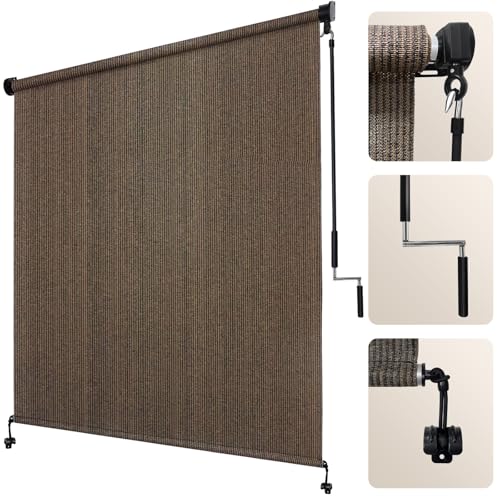
Retractable Awnings
Mounted directly to the house, awnings provide hands-free, consistent coverage and roll away when not needed. They are an excellent fit for large decks used for dining and entertaining, offering a clean, integrated look with the home's exterior.
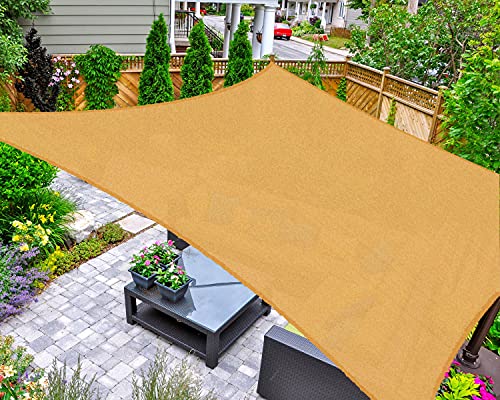
Shade Sails
Modern and visually striking, shade sails use tensioned fabric anchored to posts or structures. They block a high percentage of UV rays, handle wind reasonably well when properly tensioned, and add a contemporary design element to any deck.
Pergolas
A pergola provides a permanent architectural frame that can be fitted with adjustable louvers, fabric panels, or climbing plants. It offers the most customizable shade control and significantly boosts the visual appeal and perceived value of an outdoor space.
Gazebos & Canopies
Freestanding gazebos and pop-up canopies deliver full overhead coverage without attaching anything to the house. They are ideal for decks that host gatherings, offer all-around protection, and can be erected seasonally or kept up year-round depending on the model.
Shade Sails & Fabric Panels
Lightweight fabric panels stretched over a deck frame offer a simple, low-effort way to cut glare and heat. They pair well with existing structures and are a practical choice for renters or anyone who wants shade without a major installation project.
Side-by-Side Comparison of Deck Shade Options
Use this table to quickly compare the major categories across the factors that matter most: installation effort, portability, wind performance, and the type of deck each suits best.
| Shade Type | Best For | Installation | Portability | Wind Performance |
|---|---|---|---|---|
| Market Umbrella | Small to mid-size decks, dining tables | Minimal — freestanding base | High | Moderate; must be closed in strong wind |
| Cantilever Umbrella | Decks where floor space is limited | Low — weighted base required | Moderate | Moderate; heavier bases improve stability |
| Retractable Awning | Large decks attached to the home | Moderate — wall mounting | None (fixed) | Good when retracted; fabric must be rolled in during storms |
| Shade Sail | Modern decks, open layouts | Moderate — tensioned anchoring | None (fixed) | Good with proper tension and quality fabric |
| Pergola | Permanent outdoor living areas | High — structural build | None (fixed) | Excellent; louvered roofs handle wind well |
| Gazebo / Canopy | Entertaining, seasonal coverage | Low to moderate — assembly required | Moderate to high | Varies; anchored models perform best |
How to Choose the Right Deck Shade
There is no single best option — the right choice depends on your deck's orientation, size, climate, and how you use the space. Work through the following decision factors before committing.
1. Assess Your Sun Exposure
Track where the sun hits your deck throughout the day. A deck facing west receives intense afternoon sun, which calls for a shade solution that blocks direct light at a low angle — a cantilever umbrella, a wall-mounted awning, or side-panel shade sails work well here. A south-facing deck benefits from overhead coverage such as a pergola or a large canopy.
2. Measure Your Deck and Shade Zone
Identify the area you actually need shaded — typically the seating and dining zone, not the entire deck. A single cantilever umbrella can cover a dining set, while a pergola or awning makes more sense for whole-deck coverage. Accurate measurements prevent overspending on coverage you will not use. Pair this with our measurement guide to get the dimensions right.
3. Consider Climate and Wind
In windy regions, retractable awnings, tensioned shade sails, and louvered pergolas outperform fabric umbrellas. Coastal areas with salt air favor aluminum frames and marine-grade fabrics. In hot, dry climates, shade sails and pergolas with climbing plants create cooler microclimates.
4. Match the Shade to Your Deck Style
A shade structure is a design element, not just a functional one. A minimalist modern deck pairs well with shade sails and sleek cantilever umbrellas, while a traditional or rustic deck suits wood pergolas and market umbrellas. Explore our patio styles guide to align your shade choice with the overall aesthetic.
5. Factor in Installation and Maintenance
Renters and homeowners who prefer not to modify their deck should lean toward freestanding options like cantilever umbrellas, gazebos, and weighted-base canopies. Permanent structures like pergolas and wall-mounted awnings require more planning but deliver long-term convenience. Whichever you choose, plan for seasonal cleaning and fabric care — our outdoor care section covers fabric and frame maintenance in detail.
Understanding Deck Shade Product Tiers
Deck shade products are available across a wide spectrum of quality and capability. Rather than focusing on any single number, it helps to understand where a product sits in the market relative to others. The classification below is used consistently throughout this guide.
- Essential tier: Basic fabric umbrellas and simple shade panels. Suitable for light, occasional use and smaller decks.
- Entry-level tier: Standard market umbrellas with aluminum or steel frames and solution-dyed fabrics. A solid starting point for most homeowners.
- Mid-range tier: Cantilever umbrellas, quality shade sails, and entry retractable awnings. Noticeably better fabric longevity, frame rigidity, and wind resistance.
- High-end tier: Motorized awnings and premium pergolas with adjustable louvers. Designed for daily use and long-term durability.
- Premium tier: Custom-built pergolas, commercial-grade canopies, and integrated shade systems. For serious outdoor living investments.
Across every tier, the factors that most influence performance are fabric quality (solution-dyed acrylic or high-density polyethylene outperform basic polyester), frame material (powder-coated aluminum resists rust better than steel), and anchoring (a sturdy base matters more than umbrella size). When comparing options, weigh these attributes rather than a single headline specification.
Installation and Anchoring Tips
Proper installation is what separates a shade solution that lasts for years from one that fails in the first windy season. Keep the following in mind:
- Use a weighted base for cantilever umbrellas; a base filled with water or sand is far more stable than an empty one.
- Anchor shade sails to structurally sound posts or load-bearing points, never to deck railings alone.
- Mount awnings into wall studs or masonry, and check the manufacturer's wind rating before leaving them extended.
- For pergolas, confirm local permit requirements if the structure is attached to the house or exceeds a certain height.
- Leave a gap between shade fabric and the deck surface to allow airflow and prevent heat buildup.
- Retract or remove fabric shade during storms and in winter where snow load is a concern.
Keeping Your Deck Shade in Top Condition
Shade fabrics and frames face constant UV exposure, rain, and dust. A simple seasonal routine keeps them performing well:
- Brush off loose debris and clean fabric with mild soap and water — avoid harsh detergents that break down UV coatings.
- Allow fabric to dry completely before retracting or storing to prevent mildew.
- Inspect frames and anchors for loose bolts or corrosion at the start of each season.
- Apply a fabric protectant spray annually to maintain water repellency.
- Store removable canopies and umbrellas indoors during the off-season.
If your deck also includes furniture that needs protection, see our guides on covering patio furniture for winter and weatherproofing for complementary advice.
Shade Solutions for Small Decks
Compact decks present a specific challenge: every square foot matters, and a center-pole umbrella can make a small space feel cramped. The best options for small decks minimize footprint while maximizing shade:
- Cantilever umbrella: The offset pole clears the deck floor, letting you place seating directly under the canopy.
- Wall-mounted awning: Zero floor footprint and consistent coverage attached to the house.
- Shade sail: A single triangular sail can shade a small seating area with minimal visual clutter.
- Clip-on or rail-mounted umbrella: Designed to attach to railings, freeing up deck space entirely.
For more layout ideas, see our small patio ideas and balcony decor guides.
Frequently Asked Questions
What is the best shade option for a small deck?
A cantilever umbrella or a shade sail is often the best choice for a small deck because they provide coverage without occupying floor space with a center pole. A wall-mounted awning is another excellent option for compact decks attached to the house.
How do I choose between a deck umbrella and an awning?
Choose an umbrella for flexible, portable shade that can be repositioned throughout the day. Choose an awning for permanent, hands-free coverage attached to your home, which is ideal for large decks and entertaining areas that need consistent shade.
Are shade sails durable in high winds?
Quality shade sails made from high-density polyethylene or PVC are durable, but they must be installed with proper tension and anchoring. In areas with frequent high winds, a retractable awning or a pergola with adjustable louvers may be more reliable.
Can I install deck shade without drilling into my deck?
Yes. Cantilever umbrellas use a weighted base, freestanding gazebos and canopies require no drilling, and shade sails can be anchored to existing posts or trees. These options are ideal for renters or those who prefer not to modify their deck structure.
How much shade coverage do I actually need?
Focus on the area where people sit and dine rather than the whole deck. As a rule of thumb, aim to shade the seating zone completely at the time of day you use the deck most. This approach keeps the solution proportionate and effective.