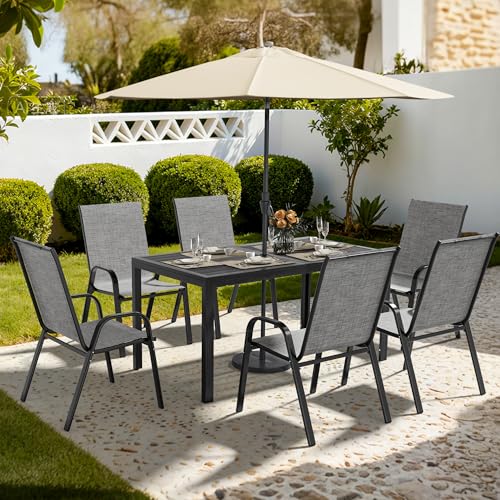
Deck Table and Chairs: The Complete Buying Guide for Outdoor Dining
Everything you need to choose a deck dining set that fits your space, your climate, and the way you actually entertain — from table size and material to chair comfort and weather protection.
Why this guide matters: A deck table and chairs set is one of the most-used purchases you will make for your outdoor space, yet it is also one of the easiest to get wrong. The wrong size crowds the walkway, the wrong material stains or rusts after one season, and the wrong chair height makes every meal uncomfortable. This guide walks you through every decision point — size, material, style, ergonomics, and care — so you can buy with confidence the first time.
Start With Your Deck, Not the Catalog
Before you browse a single set, measure your deck and sketch the traffic flow. The most common mistake buyers make is ordering a table that technically fits but leaves no room to walk around it. A deck dining set needs breathing room: allow roughly 24 inches of clearance on every side where chairs are pulled out, plus a clear path between the table and any railing, stairs, or door.
If your deck is small or awkwardly shaped, a corner bench dining table for small spaces can tuck into a nook and seat more people than a freestanding round table. If you are still deciding how your deck and patio zones relate, our deck vs patio guide explains how each surface changes your furniture options.
A quick sizing rule of thumb
| Table Shape / Size | Typical Seating | Best For |
|---|---|---|
| Round 36–42 in | 2–4 people | Compact decks, breakfast nooks, balconies |
| Square 40–48 in | 4 people | Small-to-mid decks with symmetrical layouts |
| Rectangular 60–72 in | 6 people | Family dining, mid-size decks |
| Rectangular 80–96 in | 8 people | Large decks, frequent entertaining |
| Counter-height sets | 4–6 people | Decks with a view, casual social dining |
Counter-height options are worth considering if your deck overlooks a view — the raised sightline changes the whole experience. See our guide to counter-height outdoor tables for the trade-offs between standard and raised dining.
Material Choice: The Decision That Determines Longevity
Deck furniture lives outside year-round, so material is not a cosmetic choice — it is a durability decision. Each material sits at a different point on the market, from entry-level resin sets to luxury hardwood collections.
Metal frames: aluminum and steel
Powder-coated aluminum is the workhorse of outdoor dining. It is lightweight, will not rust, and handles rain and humidity with minimal fuss. High-grade steel is heavier and sturdier but demands a rust-proof finish and periodic inspection at joints and welds. Mid-range aluminum sets usually offer smoother folding mechanisms and better welds than entry-level versions, while top-tier models add reinforced frames and premium powder coatings.
Wood: teak, acacia, and eucalyptus
Weather-resistant hardwoods are the premium and luxury tier of deck dining. Teak leads on natural oil content and longevity; acacia and eucalyptus offer similar warmth at a more accessible position in the market. Wood requires seasonal sealing or oiling, but it ages gracefully and can be sanded and refinished — a genuine long-term investment. Our overview of deck furniture covers how wood performs compared with other frame types.
Resin and HDPE
High-density polyethylene and resin sets are the practical essential tier: they resist moisture, will not splinter, and wipe clean easily. They are lightweight, which is an advantage on elevated decks where carrying furniture up stairs matters. The trade-off is a more uniform look and less heft under the hand.
Glass and composite tops
Tempered glass tops pair well with metal frames for a contemporary look and are easy to wipe down, but they show smudges and need careful handling. Composite and slatted tops shed rain and resist scratching, making them a balanced-tier choice for busy households with children or pets.
| Material | Tier | Weather Resistance | Maintenance | Best For |
|---|---|---|---|---|
| Powder-coated aluminum | Mid-range | Excellent — rust-proof | Low — wipe clean | Exposed decks, humid climates |
| High-grade steel | Mid-tier to high-end tier | Good with rust-proof finish | Moderate — inspect joints | Windy decks needing weight |
| Teak | Luxury | Excellent — naturally oily | Seasonal oiling | Premium decks, long-term investment |
| Acacia / eucalyptus | Premium | Good with sealing | Seasonal sealing | Warm natural look, covered decks |
| Resin / HDPE | Entry-level / essential tier | Excellent — moisture-proof | Very low | Rental decks, family use, easy storage |
| Tempered glass top | Balanced tier | Good — frame dependent | Low — frequent wiping | Modern, contemporary styles |
Chairs: Where Comfort Is Won or Lost
Most buyers focus on the table and treat chairs as an afterthought — then spend years sitting on the wrong seat. Chair comfort comes down to four things: seat height relative to the table, seat depth, back support, and cushion quality.
- Height matching: standard dining tables pair with chairs at roughly 17–19 inches seat height; counter-height tables need chairs at roughly 24–26 inches. Mixing them is the single most common ergonomic error.
- Seat depth and back angle: deeper seats with a slight recline suit lingering meals; upright, narrower seats suit quick breakfasts and smaller decks.
- Cushions vs cushionless: cushioned chairs are comfortable for long dinners but need storage or quick-dry foam. Cushionless designs are lower maintenance — our guide to cushionless patio furniture explains when that trade-off is worth it.
- Stackability and folding: essential on small decks where chairs need to move out of the way for cleaning or winter storage.
For a deeper look at chair-specific options, see our guide to deck chairs and, if you are pairing seating with a lounging area, deck lounge chairs.
Comfort checklist before you commit
If you can sit in the set in person, do it — and sit for at least five minutes. Check whether your knees clear the apron of the table, whether the chair back supports your mid-back rather than just your shoulders, and whether the arms fit under the table edge when you pull in. If you buy online, confirm the seat height and table apron height in the specifications, and read reviews that mention taller or shorter users.
Style: Match the Set to the Deck, Not Just the House
A dining set reads as part of your architecture, so choose a style that belongs on a deck rather than fighting it. Slatted wood and warm metal suit natural, rustic, and farmhouse decks. Slim aluminum frames with glass or composite tops fit contemporary homes. Wicker and rattan wraps soften hard deck surfaces and work well with coastal and bohemian themes. If you want to explore coordinating pieces and broader layout ideas, our contemporary furniture overview is a useful starting point for modern decks.
Color matters more outdoors than indoors because sunlight exaggerates contrast. Dark frames ground a large deck; light frames keep a small deck feeling open. Neutral cushions let you change the accent color with throws and planters each season rather than replacing the set.
Features Worth Paying Attention To
- Umbrella hole and base compatibility: if your deck gets direct sun at mealtimes, plan for shade from the start. A table with a pre-drilled umbrella hole saves retrofitting later — compare options in our guide to the deck umbrella and deck umbrella with base.
- Extendable tables: a butterfly-leaf or drop-leaf design lets a four-seat set become six or eight for occasional gatherings, which is often smarter on a deck than buying oversized from day one.
- Storage and built-ins: some sets include benches with storage or a deck box companion for cushions and covers. A corner bench dining table set with storage is a clever way to reclaim floor space on a small deck.
- Leveling feet: deck boards shift and settle. Adjustable feet keep the table stable and stop wobble that loosens joints over time.
- Weight and wind: lightweight resin sets can lift in strong gusts on exposed decks. Consider anchoring or choosing a heavier frame if your deck is elevated or unsheltered.
Protecting Your Investment Through the Seasons
A deck dining set that is properly cared for will outlast one that is simply left out. The routine is simple but consistent: cover or store during off-season, clean frames and tops monthly during use, and inspect fasteners twice a year.
- Covers: use breathable, fitted covers so condensation can escape. Our guides to covered outdoor furniture and custom outdoor covers for patio furniture explain fit and material choices.
- Cushions: bring cushions inside during rain and store them dry. Mold is the most common cause of premature cushion replacement.
- Wood: re-oil teak and reseal acacia annually, and sand minor surface marks before they become cracks.
- Metal: touch up powder-coat chips promptly — a small chip is the entry point for rust on steel frames.
- Winter: elevate legs off wet surfaces, loosen covers at the bottom for airflow, and store removable parts indoors.
For a broader maintenance routine, see our guides to cushion storage and covering patio furniture for winter.
A Practical Buying Checklist
Use this list before you finalize any deck table and chairs purchase:
- Measured deck dimensions with walkway clearance marked out using tape on the deck surface
- Confirmed seat count needed for everyday use versus occasional entertaining
- Chosen a material tier that matches your climate and willingness to maintain
- Verified seat height and table apron height in the specifications
- Checked umbrella hole and base compatibility if shade is needed
- Planned storage for cushions, covers, and off-season chairs
- Read reviews for assembly difficulty, wobble, and long-term finish wear
If you are still building out the rest of the deck, our guides to deck storage and deck shade will help you finish the space around your new dining set.
Ready to Compare Deck Dining Sets?
Browse our recommended deck table and chairs options below and match the right set to your deck, your climate, and the way you entertain.
Frequently Asked Questions
What size deck table and chairs set fits a small deck?
For a small deck, a bistro-style or 4-seat set with a 36- to 42-inch round or square table works best. Allow at least 24 inches of clearance around the table for chair pull-out, and consider a folding or stackable chair design to free up space when not in use.
Which material is best for a deck dining table?
Aluminum and high-grade steel resist rust and need little upkeep, making them ideal for exposed decks. Teak and other weather-resistant hardwoods offer a premium look and natural durability. HDPE and resin are lightweight, low-maintenance options that handle moisture well, while glass tops pair nicely with metal frames for a modern look.
How do I protect a deck table and chairs during winter?
Use fitted, breathable covers, store cushions indoors, and tighten or remove umbrella canopies. Inspect frames and joints before the cold season, apply sealant to wood surfaces as needed, and elevate metal legs slightly so they do not sit directly in standing water or snow.
Should I choose a counter-height or standard-height deck dining set?
Standard height is more comfortable for long meals and suits most families. Counter height suits casual socializing, decks with a view, and homes where the dining set doubles as a standing social hub. Just make sure the chairs match the table height exactly.