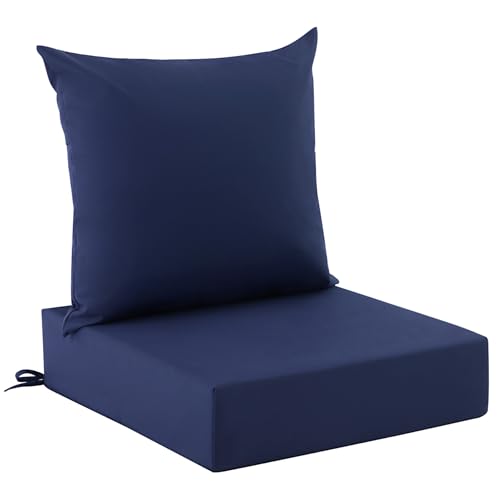
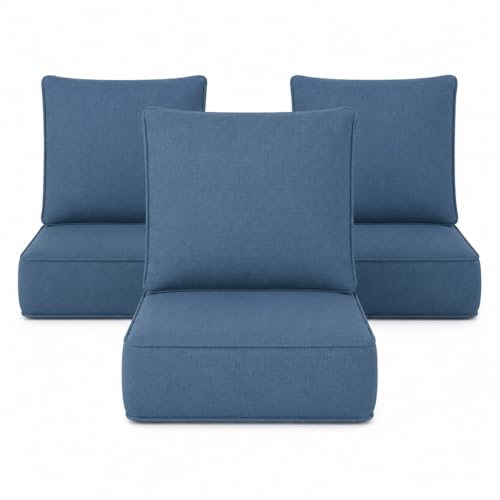
Deep Seat Cushions for Outdoor Furniture: The Complete Guide
Everything you need to know about sizing, foam density, fabric performance, and maintenance before you choose replacement deep seat cushions for your patio furniture.
START THE GUIDEWhy deep seat cushions matter: Deep seating is the gold standard for outdoor comfort, but the cushion makes or breaks the experience. A well-chosen deep seat cushion transforms a basic frame into a lounge-worthy seat, while a poorly specified one leads to sagging, moisture buildup, and premature replacement. This guide walks you through every decision point so you can buy with confidence.
What Are Deep Seat Cushions?
Deep seat cushions are thicker, larger cushions designed for furniture frames with a seat depth of roughly 24 inches or more. Unlike standard patio cushions, which are often thin and tied to the frame, deep seat cushions typically consist of two parts: a thick seat cushion and a matching back cushion. The extra depth and thickness create a lounge-like feel that mimics indoor sofas, making them a favorite for deep seating patio furniture sets.
These cushions are engineered to distribute weight more evenly across the seat, reducing pressure points during long periods of sitting. They are commonly found on sectionals, loveseats, lounge chairs, and oversized armchairs. Because they are larger and more visible, the fabric and foam quality have a direct impact on both comfort and the visual appeal of your outdoor space.
Deep Seat vs. Standard Patio Cushions
| Feature | Deep Seat Cushions | Standard Patio Cushions |
|---|---|---|
| Typical seat depth | 24–28 inches | 18–22 inches |
| Thickness | 5–8 inches | 2–4 inches |
| Construction | Separate seat and back cushions | Often one-piece or thin tied cushion |
| Comfort profile | Lounge-style, supportive | Firm, upright |
| Best for | Sectionals, deep lounge chairs, sofas | Dining chairs, benches, bistro sets |
How to Measure for Deep Seat Cushions
Getting the measurements right is the single most important step in buying deep seat cushions. Furniture frames vary widely between brands, and even models from the same manufacturer can differ by an inch or two. Always measure your actual frame rather than relying on the product listing from when you bought the furniture.
Three Measurements You Need
- Seat width: Measure the inner width of the frame where the cushion will sit, from the left arm to the right arm.
- Seat depth: Measure from the front edge of the seat to the backrest. This is the defining dimension of a deep seat cushion.
- Back height: Measure from the seat surface to the top of the backrest to determine the back cushion height.
Standard Deep Seat Cushion Sizes
| Common Size (W x D) | Typical Use | Tier Often Associated |
|---|---|---|
| 22 x 24 inches | Compact lounge chairs, smaller loveseats | Entry-level |
| 24 x 24 inches | Standard deep seating armchairs | Mid-range |
| 26 x 24 inches | Wider armchairs and sectionals | Mid-range to premium |
| 28 x 28 inches | Oversized lounge chairs and daybeds | Premium |
| Custom dimensions | Non-standard frames, curved furniture | Premium to luxury |
For a more detailed breakdown of common dimensions, see our guide to deep seat outdoor cushions in the 26 x 24 size, which covers one of the most popular configurations.
Foam, Fill, and Comfort: What's Inside Matters
The foam core determines how a cushion feels on day one and how it holds up after a full season of use. Deep seat cushions use more foam than standard cushions, so the quality difference between tiers is amplified.
Foam Density Explained
- Entry-level foam: Lower density, typically around 1.5 pounds per cubic foot. Suitable for occasional use and covered porches, but may compress over time.
- Mid-range foam: 2.0 to 2.5 pounds per cubic foot, often paired with a fiber wrap. Offers a good balance of softness and support for regular use.
- Premium foam: 2.5 to 3.0 pounds per cubic foot or higher. Retains shape well, resists sagging, and is the standard for high-traffic outdoor living areas.
- Luxury and specialty fills: Memory foam, gel-infused foam, and quick-dry reticulated foam. These are common in custom outdoor cushions and top-tier replacement sets.
Fiber Wrap and Laminated Foam
Many mid-range and premium cushions use a foam core wrapped in polyester fiber. The wrap adds surface softness while the foam core provides structure. Laminated foam, where different densities are bonded together, is another premium technique that combines a firm base with a softer top layer.
Fabric Choices and Weather Resistance
The fabric cover is your cushion's first line of defense against sun, rain, and mildew. Deep seat cushions are large, so replacing a full set is a significant decision — choosing the right fabric upfront pays off over multiple seasons.
Top Fabric Types for Outdoor Cushions
- Solution-dyed acrylic: The gold standard for outdoor upholstery. Color is infused into the fiber, so it resists fading even under intense UV exposure. Breathable and mildew-resistant.
- Olefin: A durable synthetic with excellent moisture resistance. Common in mid-range cushions and often used for deep replacement cushions.
- Polyester: Widely used in entry-level and mid-tier cushions. Improved treatments have made modern outdoor polyester more fade-resistant than older versions, but it may not match acrylic over many seasons.
- Performance blends: Acrylic-polyester blends and specialty coated fabrics that balance durability and softness. Often found in premium and luxury tiers.
Weather-Resistant Features to Look For
- UV inhibitors that slow color fading
- Water-repellent finishes on the fabric surface
- Mildew-resistant backing and thread
- Zippered, removable covers for washing
- Reinforced seams and double-stitched edges
If your furniture sits on an exposed deck, pair your cushions with a quality cover or store them during heavy weather. Our cushion storage guide covers practical options for keeping cushions dry and clean.
Key Buying Considerations Before You Order
Beyond size and fabric, a few practical factors will determine whether your new cushions work well in your specific outdoor space.
Frame Compatibility
Deep seat cushions are designed for specific frame types. A cushion intended for a sloped-back lounge chair will not sit correctly on a straight-back sofa. Check whether your frame uses a seat deck (a solid surface) or suspension (straps or springs), and confirm whether the cushion needs a non-slip bottom. Furniture with a deep seat lounge chair design often requires a slightly different back cushion angle than a sectional.
Tie-Downs and Non-Slip Features
Large cushions can shift during use, especially on smooth frames. Look for tie-down straps, Velcro strips, or silicone grip dots on the underside. These details are common in mid-range and premium cushions and make a noticeable difference in daily use.
Replacement vs. New Furniture
If your frame is still structurally sound, replacing the cushions is often the smarter move. High-quality deep replacement cushions for outdoor furniture can refresh a set for many more seasons. Just verify that the frame's dimensions match standard cushion sizes, or plan for custom-made replacement cushions.
| Tier | Best For | Typical Characteristics |
|---|---|---|
| Entry-level | Covered porches, occasional use | Basic foam, polyester fabric, simple construction |
| Mid-range | Regular family use, mixed sun exposure | Denser foam, fiber wrap, olefin or acrylic blend, tie-downs |
| Premium | Daily use, full sun, high-traffic patios | High-density foam, solution-dyed acrylic, reinforced seams |
| Luxury | Year-round outdoor living, design-forward spaces | Memory foam or gel fill, top-tier acrylic, custom tailoring |
Care and Maintenance for Deep Seat Cushions
Deep seat cushions are an investment in comfort, and a simple maintenance routine will keep them looking and feeling their best for years.
Routine Cleaning
- Brush off loose dirt and debris weekly with a soft brush.
- Spot-clean stains with mild soap and water; rinse thoroughly and air-dry.
- Machine-wash removable covers on a gentle cycle with cold water, then air-dry flat.
- Avoid harsh bleach or abrasive cleaners that can break down fabric coatings.
Seasonal Care
- Store cushions in a dry, ventilated space during off-season months.
- Use breathable covers rather than airtight plastic, which can trap moisture.
- Bring cushions indoors before freezing temperatures if the foam is not freeze-rated.
- Check seams and zippers at the start of each season for signs of wear.
For a deeper dive into fabric care and storage, our outdoor cushion guide and cushion storage solutions page cover the details in full.
Related Guides on PatioFocus
Frequently Asked Questions
What is the standard size of deep seat cushions for outdoor furniture?
Deep seat cushions typically range from 24 to 28 inches in seat depth and 22 to 26 inches in width. However, sizes vary by furniture brand, so always measure your specific frame before ordering. Custom-size cushions are available for non-standard dimensions.
How do I measure for deep seat outdoor cushions?
Measure the seat width, seat depth, and back height of your furniture frame. Add one to two inches to the seat depth for a plush fit if desired. Record all measurements and compare them against the cushion manufacturer's sizing chart before purchasing.
What foam density is best for deep seat cushions?
High-density foam (2.5 to 3.0 pounds per cubic foot) offers the best balance of support and durability for deep seat cushions. Mid-range options often use a foam core with a fiber wrap for added softness, while premium tiers may feature memory foam or gel-infused layers.
How do I clean and maintain deep seat outdoor cushions?
Most outdoor cushion covers are removable and machine-washable on a gentle cycle. Spot-clean stains promptly with mild soap and water, air-dry thoroughly, and store cushions in a dry place during off-season months to extend their lifespan.
Are deep seat cushions weather-resistant?
Quality deep seat cushions use solution-dyed acrylic or olefin fabrics with water-repellent finishes and UV inhibitors. These materials resist fading, mildew, and moisture, making them suitable for year-round outdoor use in most climates.