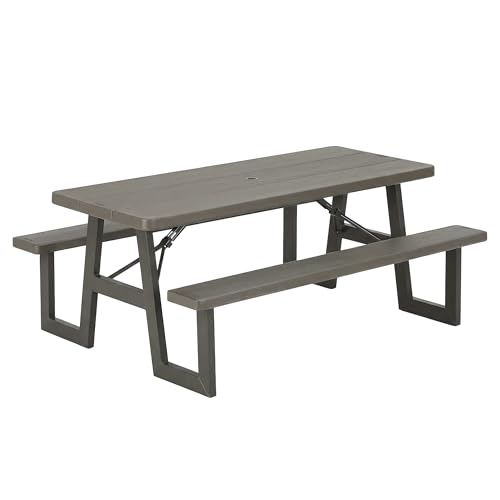
Composite Picnic Table: The Ultimate Guide to Durable Outdoor Dining
Explore the long-term benefits, material science, and design considerations for choosing a composite picnic table that lasts for generations.
Why Choose Composite? A composite picnic table represents a significant upgrade from traditional wood. It is engineered to resist rot, insects, and fading, offering a maintenance-free outdoor dining solution. This guide provides a deep dive into what makes composite furniture a worthwhile long-term investment for any backyard or patio.
What Exactly is a Composite Picnic Table?
A composite picnic table is constructed from a blend of recycled plastics and wood fibers (often sawdust). This engineered material mimics the look of real wood while eliminating its inherent weaknesses. Unlike traditional timber, composite boards do not splinter, crack, or rot. This makes them an ideal choice for outdoor environments where moisture and sun exposure are constant challenges. You can find a variety of styles that blend perfectly with cool outdoor furniture collections, ensuring your patio remains cohesive.
Key Benefits of Choosing Composite
Understanding the advantages of composite material is crucial for any buyer. Here are the primary reasons why homeowners are moving away from traditional wood:
- Weather Resistance: High-density polyethylene (HDPE) composites are impervious to moisture. They won't rot like wood, making them perfect for year-round outdoor use.
- Low Maintenance: Forget about annual staining or sealing. A simple soap and water wash is usually sufficient to keep the table looking new.
- Insect and Splinter Proof: Termites and other wood-boring insects are not attracted to composite materials. Additionally, the surface remains smooth, eliminating the risk of splinters.
- Eco-Friendly: Many composite tables are made from recycled materials, making them an environmentally responsible choice for your outdoor space.
- Color Stability: Premium composite tables come with UV inhibitors that prevent fading, unlike wood which can grey over time.
Navigating Material Tiers: From Entry-Level to Premium
The quality of composite furniture varies significantly. Here is how to distinguish between the different tiers available in the market:
| Tier | Composition | Best For |
|---|---|---|
| Entry-Level | Hollow core construction with a lower plastic-to-wood ratio. | Casual use on a covered patio or seasonal setups. |
| Mid-Range | Solid core with a balanced blend of recycled plastic and wood fiber. | Standard family backyards with year-round exposure. |
| Premium | High-density, solid polymer with advanced UV protection and capped edges. | High-traffic areas, commercial use, and harsh climates. |
| Luxury | Proprietary blends with textured wood-grain finishes and marine-grade hardware. | Designer outdoor spaces requiring a flawless finish and maximum longevity. |
While an entry-level model is suitable for light use, a premium or luxury tier table offers a solid build and enhanced durability, making it a long-term investment that will not need replacing after a few seasons.
Design and Space Considerations
Before purchasing, consider the size and style of your patio. A composite picnic table is a substantial piece of furniture. For smaller spaces, you might consider alternatives like a folding camping picnic table for portability. However, if you have a dedicated dining area, a composite table can serve as the centerpiece. It pairs well with a dining bench seat to create a unified look. If you are designing a larger entertainment zone, consider how the table will interact with other pieces, such as a garden furniture conversation set. For families, a composite table offers superior durability against kids and pets compared to a children's wooden picnic table.
Maintenance and Care for Longevity
One of the biggest draws of a composite picnic table is the minimal maintenance. To keep it in top-tier condition:
- Routine Cleaning: Use a soft brush and mild soap solution to remove dirt and pollen. Avoid abrasive cleaners that can dull the finish.
- Stain Removal: For tough stains like grease or wine, use a non-abrasive household cleaner. Rinse thoroughly afterwards.
- Winter Protection: While composite is weather-resistant, covering the table during extreme winter months can extend its life and keep it clean.
- Hardware Checks: Periodically check the stainless steel hardware (bolts and screws) to ensure everything remains tight and rust-free.
Why a Composite Picnic Table is a Smart Choice
When comparing options, a composite table offers a competitive balance of durability and aesthetics. It sidesteps the high maintenance of wood and the brittleness of plastic. For a cohesive outdoor space, a composite table can be styled with a large beach umbrella or a lime green patio umbrella with solar lights to add color and shade. This versatility makes it a central piece for any backyard gathering, whether you are hosting a casual family meal or a larger party.
Frequently Asked Questions
Does a composite picnic table get hot in the sun?
Composite materials can warm up in direct sunlight, but they are generally cooler than metal and do not retain heat as intensely as traditional dark wood. Lighter colors are recommended for sunnier climates.
Can I paint a composite table?
Manufacturers generally do not recommend painting composite furniture. The material is designed to be colorfast and does not hold paint well. If you want a different color, it is best to purchase the desired color from the start.
Is composite heavier than wood?
Yes, high-density composite tables are typically heavier than their wooden counterparts. This is a benefit, as it provides a more stable base that won't blow over in strong winds.