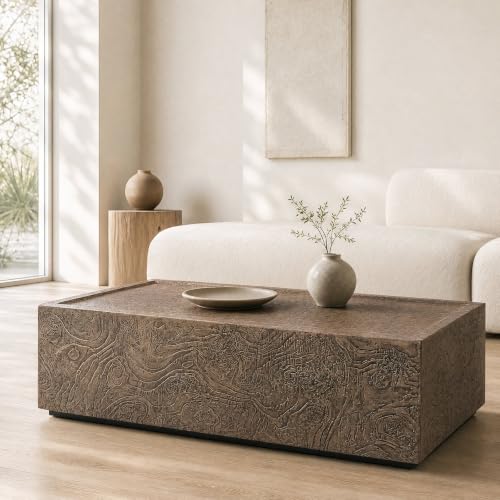
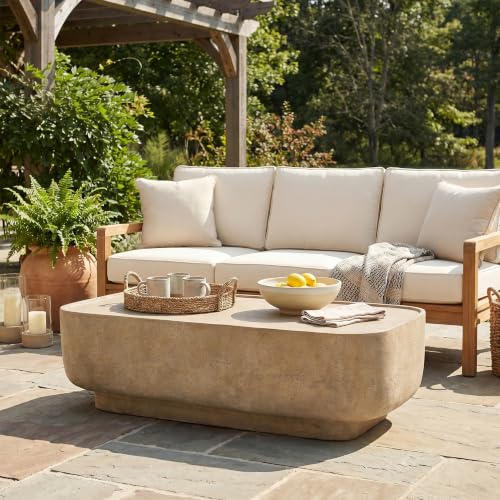
Why Choose Concrete for an Outdoor Coffee Table?
Concrete is a composite material made from cement, aggregate, and water. When properly formulated and cured, it becomes a dense, durable solid that resists moisture, ultraviolet exposure, and temperature fluctuation far better than many wood or resin alternatives. For a rectangular coffee table, concrete offers a distinct set of advantages:
- Stability in wind: The inherent mass of a concrete table means it stays put on an open deck or exposed patio. Lightweight tables can shift or tip in gusty conditions; concrete does not.
- Architectural presence: A clean rectangular slab in concrete reads as intentional and contemporary. It pairs naturally with modern, minimalist, and industrial design schemes.
- Weather resistance: Sealed concrete handles rain, sun, and frost far better than untreated wood. It will not rot, warp, or attract insects.
- Surface versatility: Concrete can be cast with a smooth troweled finish, a brushed texture, or an exposed-aggregate face, giving you control over the tactile and visual character.
- Long service life: A well-made concrete table is a long-term investment. With basic care, it can remain in service for decades.
That said, concrete is not the right choice for every patio. It is heavy, which complicates relocation, and it requires periodic sealing to maintain stain resistance. Understanding these trade-offs is part of making an informed decision.
Understanding Concrete Grades and Construction
Not all concrete tables are created equal. The quality of a concrete rectangular outdoor coffee table depends on the mix design, the reinforcement strategy, and the curing process. Here is how the market generally breaks down:
| Tier | Construction Characteristics | Best For |
|---|---|---|
| Entry-level tier | Standard concrete mix, minimal or no internal reinforcement, basic surface finish, limited sealing. | Covered patios, seasonal use, homeowners testing the concrete aesthetic before committing to a premium piece. |
| Mid-range tier | Glass-fiber or steel reinforcement, controlled curing, smooth or lightly textured finish, factory-applied sealer. | Year-round outdoor use in moderate climates, family patios, and covered or partially covered decks. |
| Premium tier | High-density mix, engineered reinforcement, hand-finished surfaces, multi-coat penetrating sealer, precise edge detailing. | Design-forward outdoor living rooms, exposed patios, and buyers who prioritize long-term durability and finish quality. |
| Luxury / commercial-grade tier | Architectural-grade concrete, advanced admixtures, steel or composite armature, artisan finishing, superior stain and freeze-thaw resistance. | Hospitality settings, high-exposure rooftops, and residential projects where the table is a focal design element. |
When evaluating a table, ask about reinforcement and sealer type. A table with internal reinforcement is far less likely to develop structural cracks over time. A penetrating sealer, as opposed to a surface film, allows the concrete to breathe while resisting stains—this is the preferred approach for outdoor pieces.
Design Styles and Finishes
The rectangular form is inherently versatile, but the finish determines how the table reads in your space. Common approaches include:
Smooth Troweled Finish
A polished, uniform surface with a subtle sheen. This is the most contemporary option and works well in minimalist and modern patio schemes. It is easy to wipe clean but can show water spotting if not properly sealed.
Brushed or Broom-Finished Surface
A lightly textured surface created by brushing the concrete before it fully cures. The texture adds grip and hides minor surface imperfections, making it a practical choice for family patios and high-traffic areas.
Exposed Aggregate
The surface cement is removed to reveal the aggregate beneath, creating a pebbled, tactile finish. This style leans rustic and works well with natural materials and garden settings. It is more difficult to clean than smooth finishes.
Acid-Stained or Pigmented Concrete
Color is integrated into the mix or applied as a stain, producing tones ranging from warm sand to deep charcoal. Pigmented concrete offers color without a painted surface that can peel or flake.
For a broader look at how concrete tables fit into different outdoor design approaches, explore the concrete outdoor coffee table overview and the concrete outdoor table collection. If you are considering a larger dining arrangement, the concrete outdoor dining table with umbrella hole is a natural companion piece.
Sizing and Placement for a Rectangular Table
Rectangular tables suit elongated seating arrangements and narrow patios particularly well. The proportions matter more than the absolute size. As a rule of thumb, allow 14 to 18 inches of clearance between the coffee table and the seating it serves. This distance lets people reach the table comfortably without feeling cramped.
For a typical outdoor sofa or a pair of lounge chairs, a table measuring roughly 36 to 48 inches in length and 20 to 24 inches in depth provides a balanced footprint. A longer sofa may call for a table up to 54 inches. Always measure the seating arrangement first, then choose the table to fit the gap rather than the other way around.
Placement considerations extend beyond dimensions. On a concrete patio, the table can sit directly on the slab, but on a wood deck or composite surface, protective feet or a thin mat under the legs help distribute weight and prevent marking. If the patio is exposed to strong wind, the weight of the table is an asset, but ensure the surface beneath is level so the table does not rock.
Key Buying Factors
When you are ready to compare specific tables, focus on these factors:
- Reinforcement: Internal steel or glass-fiber reinforcement is the single best indicator of crack resistance. Ask for confirmation rather than assuming.
- Sealer type: Penetrating sealers are preferred for outdoor use. They protect without trapping moisture, which is important in freeze-thaw climates.
- Edge profile: Rounded or chamfered edges are safer around children and look more refined. Sharp edges can chip more easily.
- Weight distribution: A table with a hollow core or a solid cast will behave differently during delivery and relocation. Confirm the approximate weight and plan accordingly.
- Base design: Some tables use a solid pedestal base; others use legs or a plinth. The base affects stability, cleaning access, and visual weight.
- Finish consistency: Concrete is a natural material and slight variation is expected. What you want to avoid is uneven curing, visible patch repairs, or inconsistent color across the slab.
If you are furnishing a broader outdoor living area, it helps to think in terms of a coherent material palette. Concrete pairs well with wood, metal, and woven materials. For seating, consider how the table will relate to a concrete bench or a composite picnic table if you are planning a coordinated set. The concrete block benches guide offers useful context on mixing concrete furniture within a single space.
Care and Maintenance
Concrete is low-maintenance but not no-maintenance. The routine is straightforward:
- Routine cleaning: Wipe with mild soap and water using a soft cloth or brush. Avoid acidic cleaners, vinegar, or abrasive pads that can etch the surface.
- Sealing: Reapply a penetrating sealer annually, or as recommended by the manufacturer. This is the most important step for stain resistance and freeze-thaw protection.
- Stain management: Address spills promptly. Oil and wine are the usual culprits; a pH-neutral stone cleaner handles most marks without damaging the finish.
- Winter care: In cold climates, ensure water does not pool around the base and freeze. A cover or a sheltered position during the harshest months extends the table's service life.
- Surface protection: Use coasters or trivets for hot items and avoid dragging rough objects across the surface.
For a deeper look at seasonal protection, the covered outdoor furniture guide and the weatherproofing guide cover the broader strategies for keeping outdoor pieces in good condition year-round.
Complementary Pieces and Coordinated Setups
A coffee table rarely stands alone. If you are building a seating area, the table is the anchor around which chairs, sofas, and side tables are arranged. Concrete's visual weight means it can hold its own alongside substantial pieces. Consider how a rectangular concrete table pairs with a concrete fire pit table with hidden propane tank or a concrete fire pit with hidden propane tank if you are planning a full outdoor living zone. These pieces share the same material language and create a cohesive look.
If you prefer a lower seating profile, a concrete coffee table pairs naturally with concrete benches or a curved outdoor bench with back for fire pit. The key is to repeat the material or the finish in at least one other element so the table does not look orphaned.
Frequently Asked Questions
Are concrete rectangular outdoor coffee tables heavy?
Yes, concrete coffee tables are inherently heavy, which is actually a benefit for outdoor use. The weight keeps the table stable in windy conditions and prevents accidental tipping. However, it also means you should plan the delivery and placement carefully, and consider whether you will need to move the table seasonally.
Will a concrete coffee table crack outdoors?
Quality concrete tables are engineered with reinforced internal structures and proper curing to resist cracking. While hairline surface cracks can occasionally appear as part of the natural settling process, structural cracking is rare in well-made pieces. Choosing a table with a sealed finish and placing it on a level surface significantly reduces risk.
How do I clean a concrete outdoor coffee table?
Routine cleaning requires only mild soap, warm water, and a soft cloth or brush. Avoid acidic cleaners, which can etch the surface. For sealed tables, reapply a penetrating sealer annually to maintain stain resistance. Stubborn marks can be addressed with a pH-neutral stone cleaner.
Can a concrete coffee table stay outside in winter?
Most concrete tables can remain outdoors year-round, but freeze-thaw cycles in cold climates can stress the material. In regions with harsh winters, covering the table or moving it to a sheltered area is recommended. Ensure proper drainage around the base so water does not pool and freeze beneath the legs.
What size rectangular concrete coffee table fits a standard patio?
A general guideline is to leave 14 to 18 inches of clearance between the coffee table and surrounding seating. For a typical three-seat outdoor sofa, a rectangular table measuring roughly 36 to 48 inches in length and 20 to 24 inches in depth works well. Always measure your specific seating arrangement before finalizing a size.
Final Thoughts
A concrete rectangular outdoor coffee table is a commitment to a certain kind of outdoor space: grounded, architectural, and built to last. It is not the lightest option, nor the most portable, but it rewards that trade-off with stability, weather resistance, and a visual presence that lighter materials struggle to match. Choose the tier that matches your exposure and design ambitions, confirm the reinforcement and sealer details, and plan the placement around your seating rather than the other way around. Done well, a concrete table becomes the quiet center of a patio that feels finished rather than furnished.