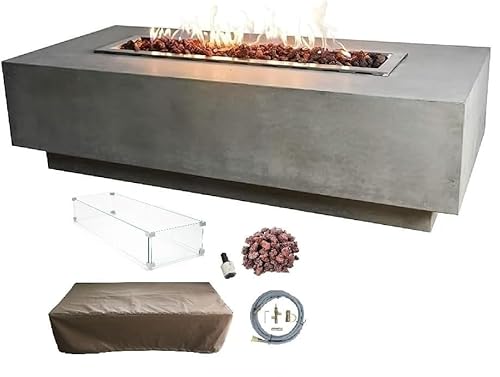
Concrete Fire Pit Table with Hidden Propane Tank: The Complete Buyer's Guide
Everything you need to know about choosing, using, and maintaining a concrete fire pit table with a concealed propane tank for a clean, elegant outdoor space.
Why this guide matters: A concrete fire pit table with a hidden propane tank combines the timeless beauty of stone with the convenience of gas. But not all models are created equal. In this guide, we break down materials, burner systems, safety considerations, and design features so you can make a confident, well-informed decision before you buy.
What Is a Concrete Fire Pit Table with a Hidden Propane Tank?
A concrete fire pit table with a hidden propane tank is a multifunctional outdoor furnishing that serves as both a coffee or dining-height table and a gas-powered fire feature. The defining characteristic is the concealed compartment—usually accessible via a side door or lift-off panel—that houses a standard propane tank. This design eliminates the visual clutter of an exposed cylinder and keeps the focus on the clean lines of the concrete surface and the flame itself.
These tables are typically constructed from cast concrete, glass-fiber reinforced concrete (GFRC), or composite concrete blends. The fire element runs on propane, which means you get instant, controllable flames without the ash, smoke, and cleanup associated with wood-burning pits. For homeowners who want ambiance without the fuss, this category has become a favorite.
Why Choose Concrete Over Other Materials?
Concrete brings a distinct set of advantages to the patio. It is dense, heavy, and naturally resistant to wind, which means the table stays put even in gusty conditions. The material also develops a character-rich patina over time, and modern sealers make it far more weather-resistant than older concrete products.
- Durability: Concrete is highly resistant to UV exposure, rain, and temperature swings when properly sealed.
- Aesthetic versatility: Available in smooth, honed, or textured finishes, and in a range of neutral tones from light sand to deep charcoal.
- Heat retention: The thermal mass of concrete helps radiate warmth even after the flame is turned down.
- Weight and stability: A heavy base means no wobbling and no risk of tipping in high winds.
If you are still exploring broader patio heating options, our guide to fire patio tables covers alternative materials and configurations worth considering.
Key Features to Evaluate
1. The Hidden Tank Compartment
The best designs make tank access effortless. Look for a hinged side door with a magnetic latch, or a lift-off panel that seats securely. The compartment should be vented to prevent gas buildup, and it should accommodate a standard 20-pound propane tank without forcing you to remove the tabletop. Some premium models include a sliding tray that makes tank swaps quick and clean.
2. Burner System and Heat Output
Most concrete fire tables use a stainless steel linear or round burner. Stainless steel resists corrosion and holds up well to the heat cycling of regular use. Heat output is typically measured in BTUs, and while we avoid specific figures here, the practical takeaway is this: entry-level models tend to produce a modest flame suitable for ambiance, while mid-range and premium units offer higher output and more even flame distribution. If you plan to use the table as a primary heat source on cool evenings, prioritize a model with a higher output rating and a well-designed burner.
3. Ignition Type
Push-button electronic ignition is now standard on most mid-range and premium models. It is reliable, safe, and convenient. Match-lit ignition is still found on some entry-level units, but it requires a long lighter and a bit more care in windy conditions. For the best experience, electronic ignition with a flame-sensing safety shutoff is the feature to look for.
4. Included Accessories
Many concrete fire tables ship with a set of lava rocks or fire glass, a protective cover, and a lid that converts the fire area into a flat table surface when not in use. The lid is an underrated feature—it lets you use the full tabletop for entertaining without the burner in the way. If the model you are considering does not include a lid, factor that into your decision.
Market Tiers: How Concrete Fire Tables Compare
To help you orient yourself, here is how concrete fire pit tables with hidden propane tanks generally break down across the market. We use a consistent tier system throughout this guide.
| Tier | Typical Characteristics | Best For |
|---|---|---|
| Entry-Level | Thinner concrete shell, match-lit or basic electronic ignition, smaller tank compartment, fewer included accessories. | Occasional use, smaller patios, first-time buyers testing the concept. |
| Mid-Range | Solid cast concrete or GFRC, electronic ignition, vented tank compartment with hinged door, lava rocks and lid included. | Regular entertaining, homeowners who want a balance of durability and features. |
| Premium | Thick GFRC or cast concrete with hand-finished surface, high-output stainless burner, sliding tank tray, flame-sensing safety shutoff, full accessory kit. | Frequent use, larger outdoor living spaces, buyers who prioritize longevity and finish quality. |
| Luxury | Architectural-grade concrete, custom finishes, integrated seating or matching side tables, commercial-grade burner assembly. | Design-driven builds, high-end patio installations, commercial hospitality spaces. |
When comparing tiers, the biggest differentiators are the thickness and density of the concrete, the quality of the burner and ignition components, and the refinement of the tank-access design. A mid-range model often delivers the best balance of durability and thoughtful features, while entry-level units are best suited to lighter use.
Safety Considerations
Propane is safe when handled correctly, but a concealed tank requires a few non-negotiable precautions.
- Ventilation: The tank compartment must be vented to the outside. Never block the vents, and inspect them periodically for debris or insect nests.
- Leak checks: Before each season, perform a soapy-water test on the hose connections. Bubbles indicate a leak that needs attention.
- Clearance: Keep the table at least a few feet away from flammable structures, patio umbrellas, and fabric curtains when the fire is lit.
- Storage: Store spare propane tanks upright in a well-ventilated area, away from direct sun and heat sources.
- Supervision: Never leave an active flame unattended, and keep children and pets at a safe distance.
If you are building or modifying a fire feature yourself, our DIY fire pit guide covers foundational safety principles that apply to gas and wood-burning designs alike.
Placement and Design Integration
A concrete fire pit table is a natural anchor for a conversation area. Because it is heavy, you generally want to place it before finalizing the surrounding furniture layout. Consider the following:
- Seating height: Coffee-height tables pair well with deep seating sofas and lounge chairs. Dining-height models work with standard patio dining chairs.
- Surrounding furniture: If your seating plan includes a curved layout, explore options like a curved outdoor bench with back for fire pit to frame the table naturally.
- Material harmony: Concrete pairs beautifully with wood, wicker, and metal. Use an outdoor rug to define the zone and soften the hardscape.
- Lighting: Layer outdoor lighting or string lights to extend usability into the evening.
For those comparing concrete fire tables with other outdoor heating options, our overview of fire gas pits offers a useful broader context.
Maintenance and Longevity
Concrete is tough, but it is not maintenance-free. A few habits will keep your table looking sharp for years.
- Clean the surface regularly: Wipe down with a mild soap solution and a soft cloth. Avoid abrasive cleaners that can dull the finish.
- Reapply sealer: Depending on exposure, reseal the concrete every one to two years with a penetrating sealer designed for outdoor concrete.
- Cover when not in use: A fitted cover protects against leaves, pollen, and standing water.
- Inspect the burner: Keep the burner ports clear of debris and check the ignition system at the start of each season.
- Winter care: In freezing climates, drain any water that may collect in the tabletop and store removable components indoors.
If you are weighing a concrete fire table against a full outdoor furniture refresh, our modern outdoor furniture guide can help you coordinate styles and materials.
Quick Decision Checklist
Before you commit to a concrete fire pit table with a hidden propane tank, confirm the following:
- The tank compartment is vented and accessible without moving the tabletop.
- The burner is stainless steel and the ignition is electronic with a safety shutoff.
- A matching lid is included for full-tabletop use.
- The table height matches your seating plan.
- The concrete is sealed or comes with a sealer recommendation.
- The model's tier aligns with your expected frequency of use.
Frequently Asked Questions
Yes, provided the concrete is properly sealed and the table has a cover. In freezing climates, take extra care to prevent water from pooling on the surface, and store the propane tank indoors during extended cold spells.
A standard 20-pound tank typically provides many hours of use, but actual duration depends on the burner's output setting and the size of the flame. Running on a lower setting extends burn time considerably. Always keep a spare tank on hand for gatherings.
Yes, when the compartment is properly vented. The vents allow any residual gas to escape and prevent pressure buildup. Never modify or block the ventilation, and always follow the manufacturer's installation instructions.
Some models offer conversion kits, but not all. Check the manufacturer's specifications before purchasing if natural gas is your preferred fuel. Conversion typically requires a qualified technician.
Heat output varies by burner size and tier. Entry-level models generally provide ambiance-level warmth, while mid-range and premium units produce enough heat to extend patio use into cooler evenings. The concrete itself also retains and radiates warmth.
Cast concrete is poured into molds and is dense and heavy. GFRC (glass-fiber reinforced concrete) incorporates glass fibers for added tensile strength, allowing for thinner, lighter profiles without sacrificing durability. Both are suitable for outdoor fire tables; GFRC is often found in premium and luxury tiers.
Most concrete fire tables are designed for straightforward assembly and do not require professional installation. However, because of their weight, you may need help moving the table into position. Always follow the manufacturer's assembly and safety instructions.
Final Thoughts
A concrete fire pit table with a hidden propane tank is a long-term investment in your outdoor living space. The combination of durable materials, clean design, and convenient fuel storage makes it a practical choice for homeowners who want a polished patio without the upkeep of a wood-burning fire. Focus on the quality of the concrete, the burner and ignition system, and the accessibility of the tank compartment—those three factors will have the biggest impact on your day-to-day satisfaction.
If you are still refining your overall patio plan, explore our guides to outdoor conversation sets and outdoor accent tables to complete the layout around your new fire feature.