Fire Patio Table Buying Guide: Warmth Meets Outdoor Dining
A fire patio table combines the function of an outdoor dining surface with the ambiance of a fire feature. Whether you are planning cozy evening meals or extended backyard gatherings, understanding how these tables work, which materials perform best, and what safety features matter is essential before you commit to a purchase. This guide walks you through every decision point so you can choose with confidence.
Explore Top PicksWhat You Will Learn
What Is a Fire Patio Table?
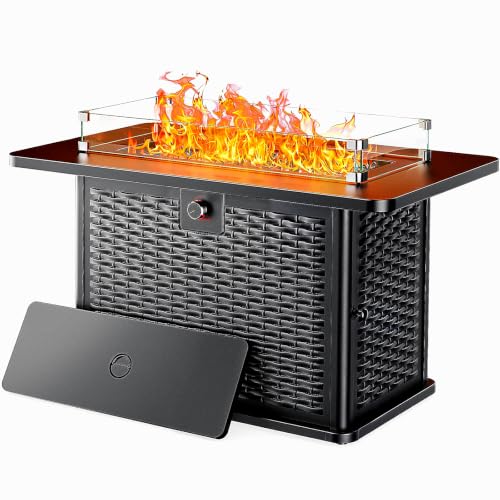
A fire patio table is an outdoor table with an integrated fire feature, usually a propane or natural gas burner positioned at the center or along the tabletop. Unlike a standalone fire pit, a fire patio table serves dual purposes: it provides a stable surface for dining, drinks, or games, and it delivers warmth and visual ambiance when the flame is lit. This dual functionality makes it a cornerstone piece for homeowners who want to extend their outdoor entertaining season.
The concept has evolved significantly. Early models were essentially fire pits with a flat rim. Today, manufacturers produce sophisticated designs with concealed propane tanks, tempered glass flame guards, and multi-level heat output controls. Some models even convert between a dining table and a full fire feature by using removable center covers. If you are comparing this against a dedicated fire pit, the concrete fire pit table with hidden propane tank offers a similar aesthetic with a focus on the fire element, while a true fire patio table prioritizes the dining surface.
For homeowners who entertain frequently, the appeal is obvious: no need to choose between a dining table and a fire pit. One piece of furniture handles both roles, saving space and simplifying the patio layout. This is especially valuable on smaller patios or balconies where every square foot counts.
Types of Fire Patio Tables
Fire patio tables fall into several categories based on configuration and intended use. Understanding these distinctions helps you narrow your search before comparing individual models.
Dining-Height Fire Tables
These stand at standard dining height (roughly 28 to 30 inches) and accommodate dining chairs. The fire feature is typically centered, with a removable lid or cover that converts the table into a full dining surface when the flame is off. Dining-height models are ideal for families who want to serve meals outdoors while enjoying the fire's ambiance. They pair well with outdoor dining chairs set of 4 or a dining outdoor patio set for a cohesive look.
Counter-Height and Bar-Height Fire Tables
Counter-height (around 36 inches) and bar-height (around 40 to 42 inches) fire tables are designed for standing or stool seating. They work well for casual gatherings and cocktail-style entertaining. The elevated surface keeps the flame further from seated guests, which some homeowners prefer for safety. Pair these with metal bar stools with backs and arms for comfortable seating.
Conversation and Coffee-Height Fire Tables
Lower to the ground (typically 16 to 24 inches), these tables are designed for lounge seating arrangements. They function more like a fire pit with a tabletop than a dining table. If your patio layout centers on deep seating or a curved loveseat, a coffee-height fire table creates an intimate focal point. These are also popular for small spaces where a full dining setup is not practical.
Multi-Function and Convertible Models
Some fire patio tables include removable center inserts that transform the fire feature into a flat surface, an ice bucket, or even a planter. These convertible designs offer maximum flexibility for homeowners who want one table to serve multiple purposes throughout the year. The trade-off is often a slightly higher position in the market tier, but the versatility can be worthwhile for those who entertain year-round.
Materials and Construction
The material of your fire patio table affects durability, maintenance, appearance, and heat resistance. Here is how the most common options compare.
Concrete and Cast Stone
Concrete and cast stone fire tables offer a premium, substantial feel. They resist heat well and hold up in harsh weather, though they are heavy and may require professional placement. Concrete can develop a patina over time, which many homeowners appreciate. If you are drawn to this material, the concrete fire table with hidden propane tank is a strong reference point for understanding how these pieces are constructed.
Aluminum and Steel
Powder-coated aluminum and stainless steel are popular for their lighter weight and rust resistance. High-grade steel with a rust-proof finish delivers excellent longevity in coastal or humid climates. Aluminum is especially common in mid-range and premium models because it balances durability with portability. Look for reinforced frames and weather-resistant coatings if you live in an area with frequent rain or salt air.
Composite and Resin
Composite materials mimic the look of wood or stone while offering superior resistance to moisture, insects, and UV damage. They are typically entry-level to mid-range in market positioning and require minimal maintenance. High-quality resin wicker is another option, often used for the base or surround of the table. The high-quality resin wicker patio furniture guide explains how resin performs over time.
Wood and Mixed Materials
Wood-topped fire tables are less common because of heat exposure, but some designs use wood accents on the surround or base while keeping the fire area in metal or stone. If you appreciate the warmth of wood, consider a table with a wood-look composite surface or pair a metal fire table with farmhouse table with bench seating for a cohesive rustic aesthetic.
Sizing and Placement
Before choosing a fire patio table, measure your space carefully. A table that is too large will crowd the patio and make movement difficult; one that is too small will feel out of proportion and limit usability.
As a general rule, allow at least 24 to 36 inches of clearance around the table for chairs and walkways. For dining-height models, plan for 24 inches of table width per person. A 48-inch round table seats four comfortably; a 60-inch round or 72-inch rectangular table seats six. If your patio is on the smaller side, consider a conversation set for small spaces or a compact fire table that doubles as a coffee table.
Placement matters for both safety and enjoyment. Keep the table away from low-hanging branches, fabric umbrellas, and combustible structures. Check the manufacturer's clearance requirements, especially for overhead structures like pergolas or awnings. Wind direction also matters: position the table so smoke and heat drift away from seating areas rather than toward them.
For a more complete picture of how a fire table fits into a broader patio layout, the fire gas pit guide discusses placement considerations that apply to both fire pits and fire tables.
Safety Features to Prioritize
Safety is the most important consideration when choosing a fire patio table. Modern models include several features designed to reduce risk, and knowing what to look for helps you make an informed decision.
- Flame guard or glass surround: Tempered glass panels or metal screens contain the flame and reduce the risk of embers or sudden flare-ups reaching guests.
- Automatic shut-off and thermocouple: These features cut the gas supply if the flame goes out unexpectedly, preventing dangerous gas accumulation.
- Cool-touch surfaces: Some models use insulated construction or double-wall design to keep exterior surfaces cooler to the touch.
- Secure tank storage: A concealed tank compartment with proper ventilation is essential. The concrete fire pit with propane tank inside illustrates how manufacturers approach safe tank integration.
- Stable base: A wide, weighted base prevents tipping, especially on uneven patio surfaces.
Always follow the manufacturer's clearance guidelines and keep children and pets supervised around any open flame. If you are building a custom setup, the DIY fire pit guide offers additional safety context for fire features in general.
Fuel Options Explained
Fire patio tables typically run on propane or natural gas. Each option has distinct advantages depending on your home and lifestyle.
Propane
Propane models are portable and do not require a gas line, making them suitable for renters or homeowners who want flexibility in placement. Most propane fire tables use a standard 20-pound tank, which can last anywhere from 8 to 20 hours depending on the heat setting. Many premium models feature a hidden tank compartment, as seen in the concrete fire pit table with hidden propane tank, which keeps the look clean and uncluttered.
Natural Gas
Natural gas models connect directly to your home's gas line, eliminating the need to refill tanks. They produce a consistent fuel supply and are convenient for frequent use. However, installation requires a licensed professional and limits placement to areas near an existing gas connection. Natural gas fire tables are typically positioned in the mid-range to premium tiers because of the added complexity of the burner system.
Bio-Ethanol and Gel Fuel
Some entry-level and portable fire tables use bio-ethanol or gel fuel. These require no gas line or tank and produce a clean-burning flame. They are best suited for occasional use and smaller tables, as heat output is generally lower than gas models. Always check local regulations before using any fuel type.
Market Tiers and What to Expect
Fire patio tables are available across a wide spectrum of market positioning. Rather than focusing on specific figures, it helps to understand what each tier generally delivers in terms of construction, features, and longevity. The table below outlines the three main tiers.
| Tier | Best For | Typical Characteristics |
|---|---|---|
| Entry-Level | First-time buyers, occasional use, renters | Lighter construction, basic burner systems, simpler ignition, compact sizes. Good value for its tier; ideal for testing whether a fire table suits your lifestyle. |
| Mid-Range | Regular entertainers, families, everyday outdoor living | Reinforced frames, better heat output controls, concealed tank storage, tempered glass guards, more material options. Competitive within its class for durability and feature set. |
| Premium / High-End | Frequent hosts, design-focused homeowners, harsh climates | Heavy-duty construction, premium materials (cast stone, high-grade steel), advanced safety systems, larger seating capacity, refined finishes. A long-term investment built to perform season after season. |
Within each tier, the best choice depends on your priorities. A mid-range model with a superior burner system may serve you better than a premium table with basic controls. Focus on the features that matter most for your climate, seating needs, and maintenance preferences. For a broader look at outdoor furniture categories by tier, the outdoor conversation sets guide offers useful comparisons.
Care and Maintenance
A fire patio table is an investment, and proper care extends its lifespan and preserves its appearance. Maintenance requirements vary by material, but a few universal practices apply.
- Cover when not in use: A fitted cover protects the table from rain, dust, and UV exposure. Ensure the table is completely cool before covering.
- Clean the burner regularly: Debris and insect nests can block burner ports. Follow the manufacturer's cleaning instructions and check the burner before each season.
- Inspect gas connections: Check hoses and fittings for wear or leaks. A soapy water test can reveal small leaks around connections.
- Protect the surface: Use coasters and trivets to prevent scratches and heat marks. Avoid placing hot items directly on the tabletop.
- Store the tank properly: If you use propane, disconnect and store the tank safely during extended periods of non-use.
For material-specific care, refer to the relevant guides. The resin wicker furniture care guide covers cleaning and protection for resin components, while the concrete fire pit with propane tank inside article discusses maintenance for concrete fire features.
Frequently Asked Questions
What is a fire patio table and how does it work?
A fire patio table is an outdoor dining table with a built-in fire feature, typically a propane or natural gas burner integrated into the tabletop or center. It provides warmth and ambiance while serving as a functional dining or conversation surface. The flame is controlled by a valve, and most models include a cover that converts the table to a flat surface when the fire is not in use.
Are fire patio tables safe for families with children and pets?
Most fire patio tables are safe when used correctly. Choose models with built-in safety features like flame guards, automatic shut-off valves, and cool-touch glass surrounds. Always maintain supervision around children and pets, and follow the manufacturer's clearance guidelines. Never leave a lit fire table unattended.
What material is best for a fire patio table?
The best material depends on your climate and style. Concrete and stone offer a premium, heat-resistant finish. Aluminum and steel are durable and lightweight. Composite and resin provide excellent weather resistance. Consider UV exposure, freeze-thaw cycles, and maintenance preferences when choosing.
Can a fire patio table be used in all seasons?
Yes, fire patio tables are designed for year-round use in most climates. In winter, they extend your outdoor entertaining season by providing warmth. During summer, the flame can be turned down or off while still serving as a dining table. Always check weather resistance ratings for your specific climate.
How do I choose the right size fire patio table?
Measure your patio and allow at least 24 to 36 inches of clearance around the table for chairs and walkways. For dining-height models, plan for 24 inches of table width per person. A 48-inch round table seats four comfortably; a 60-inch round or 72-inch rectangular table seats six. Use painter's tape to outline the footprint before purchasing.
What is the difference between a fire patio table and a fire pit?
A fire patio table is designed with a flat surface for dining, drinks, or games, while a fire pit is primarily a heat and ambiance feature. Some fire pits include a tabletop ring, but a dedicated fire patio table offers a more stable and spacious surface for dining. Your choice depends on whether you prioritize dining functionality or a pure fire experience.