Concrete Bench Buying Guide
Discover everything you need to know about choosing the perfect concrete bench for your garden, patio, or outdoor space. From material comparisons to style selections and care tips.
A concrete bench is more than just a place to sit—it's a permanent statement piece that adds timeless character to any outdoor setting. Whether you're looking for a garden bench to place among your flowers, a sturdy patio bench for your backyard, or a durable seating solution for a public space, concrete offers unmatched durability and weather resistance. This comprehensive guide will help you navigate the key considerations when buying a concrete bench, so you can make a confident purchase.
Why Choose a Concrete Bench?
🛡️ Exceptional Durability
Concrete benches withstand harsh weather, UV rays, and heavy use without warping, rusting, or rotting. They last for decades with minimal maintenance.
🎨 Design Versatility
Available in countless styles—from modern minimalist to classic ornate. Choose from various colors, textures, and finishes to match your outdoor aesthetic.
🌿 Low Maintenance
Unlike wood or metal, concrete requires little upkeep. A simple wash with soap and water keeps it looking fresh. Resistant to pests and mildew.
💰 Cost-Effective
While premium designs cost more, concrete benches offer excellent value over time. Prices range from $200 to $1,200+ depending on size and detail.
Materials & Construction Types
Not all concrete benches are created equal. Understanding the different construction methods and materials will help you choose the right one for your needs.
Cast Concrete
Description: Poured into molds, creating smooth, detailed shapes. Often reinforced with steel for added strength.
Best for: Ornate designs, curved benches, and custom orders.
Price: $400–$1,200
Pros: High detail, uniform finish, strong.
Cons: Heavier, more expensive, longer production time.
Precast Concrete
Description: Factory-made in standard sizes and shapes. Cured in controlled conditions for consistency.
Best for: Classic rectangular benches, park-style seating.
Price: $200–$600
Pros: Affordable, consistent quality, readily available.
Cons: Limited design options, may lack unique character.
GFRC (Glass Fiber Reinforced Concrete)
Description: Lightweight concrete with embedded glass fibers, allowing for thinner, more intricate designs.
Best for: Modern, sculptural designs and lightweight applications.
Price: $600–$1,500+
Pros: Lightweight, versatile, strong.
Cons: Higher cost, specialized manufacturing.
Popular Styles & Design Options
The aesthetic of your concrete bench should complement your existing outdoor decor. Here are the most popular styles to consider.
Classic Park Bench
Traditional slatted design with armrests and back support. Ideal for gardens, pathways, and public spaces. Timeless appeal.
Modern Minimalist
Clean lines, geometric shapes, and smooth surfaces. Often without armrests for a sleek, contemporary look. Great for modern patios.
Ornate & Decorative
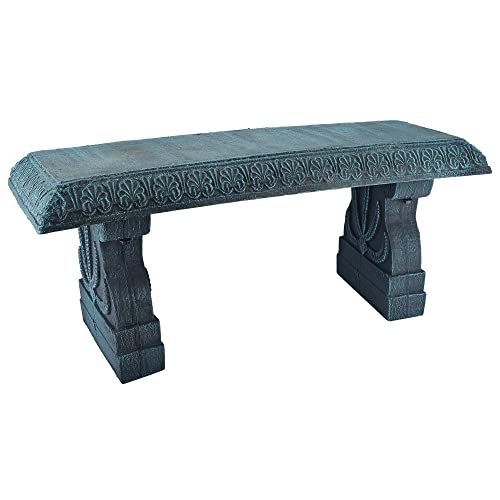
Featuring intricate carvings, curved backs, and decorative legs. Perfect for formal gardens, courtyards, or as a focal point.
Curved / Garden Bench
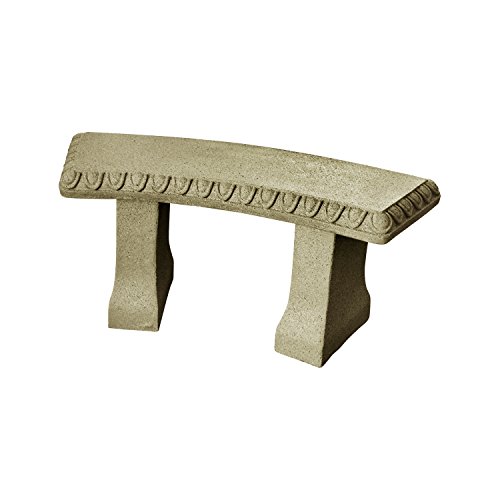
Flowing, ergonomic shapes that wrap around trees or follow garden paths. Adds organic flow to outdoor spaces.
Size & Placement Guide
Choosing the Right Dimensions
- Standard Length: 4 ft (48 inches) – seating for 2-3 people
- Medium Length: 5-6 ft (60-72 inches) – seating for 3-4 people
- Large Length: 7-8 ft (84-96 inches) – seating for 4-5 people
- Depth: 18-22 inches (comfortable seating depth)
- Height: 16-18 inches (seat height from ground)
- Weight: 200-600+ lbs (varies by size and material)
Before purchasing, measure your space carefully. Allow at least 2-3 feet of clearance around the bench for comfortable movement. Consider the view from the bench and position it to take advantage of your garden or landscape.
Maintenance & Care Tips
- Regular Cleaning: Wash with a mild detergent and water using a soft brush. Rinse thoroughly to prevent soap residue.
- Sealing: Apply a concrete sealer every 2-3 years to protect against moisture and stains. Choose a breathable sealer to prevent cracking.
- Stain Removal: For stubborn stains, use a concrete cleaner or a paste of baking soda and water. Avoid harsh chemicals.
- Winter Care: In freezing climates, ensure your bench is properly sealed to prevent water absorption and cracking. If possible, store or cover during extreme weather.
- Repair: Small chips or cracks can be repaired with concrete patch compound. For larger damage, consult a professional.
What to Look for When Buying
When shopping for a concrete bench, keep these key factors in mind to ensure you get the best product for your investment.
- Quality of Concrete: Look for dense, well-mixed concrete without visible cracks or air bubbles.
- Reinforcement: Steel rebar or wire mesh adds significant strength and prevents cracking.
- Finish: A smooth, even finish indicates quality craftsmanship. Check for rough spots or uneven edges.
- Weight: Heavier benches are generally more stable and durable, but consider mobility needs.
- Warranty: Reputable manufacturers offer warranties against cracking and defects. Look for at least a 1-year warranty.
- Reviews: Read customer reviews to gauge real-world performance and satisfaction.
Ready to Choose Your Concrete Bench?
A concrete bench is a long-term investment that adds beauty, functionality, and value to your outdoor space. Whether you prefer a classic garden bench, a modern patio bench, or a durable metal garden bench alternative, the options are vast. By considering the material, style, size, and maintenance requirements outlined in this guide, you're well-equipped to make an informed decision.
Explore the recommended products below to find high-quality concrete benches that match your style and budget. Remember to measure your space, consider the climate, and choose a design that complements your outdoor aesthetic. A well-chosen concrete bench will serve you for decades to come.