Patio Bench Buying Guide: Choosing the Right Seat for Your Outdoor Space
A patio bench adds seating, structure, and character to any yard. Learn how to compare styles, materials, and placement so you can pick the right one the first time.
START WITH THE CHECKLISTWhy this guide exists: Most shoppers searching for a patio bench already know they want one — the hard part is choosing between materials, sizes, and styles that will actually last outdoors. This guide walks you through each decision in plain language so you can buy with confidence instead of guesswork.
What Makes a Good Patio Bench
A patio bench is more than a place to sit. It anchors a corner of the yard, defines a walkway, or creates a natural pause point in a garden. Unlike a dining chair, a bench is often stationary — so its footprint, finish, and comfort matter for years, not just a season.
A good bench balances four things: a frame that resists moisture and sun, a seat depth that suits real bodies, a footprint that fits your patio without blocking traffic, and a finish that matches the surrounding furniture. Miss any one of these and the bench becomes a decoration you rarely use.
Benches also pair naturally with other outdoor pieces. If you are building a full seating area, it helps to review how benches fit alongside patio chairs and patio coffee tables so the scale stays consistent. For a broader view of materials and construction standards, our outdoor wooden bench guide covers frame joinery in more detail.
Bench Styles and Layouts
Bench style is mostly about how you plan to use it. A backless bench near a fire pit serves a different purpose than a high-backed garden bench tucked under a tree.
Backless Benches
Backless benches are the most versatile. They slide under tables, work as footrests, and can be moved easily. They suit compact patios and multi-use spaces where seating needs to shift between meals and lounging. Pair one with a wood outdoor table for a clean, minimal dining setup.
Benches With Backs
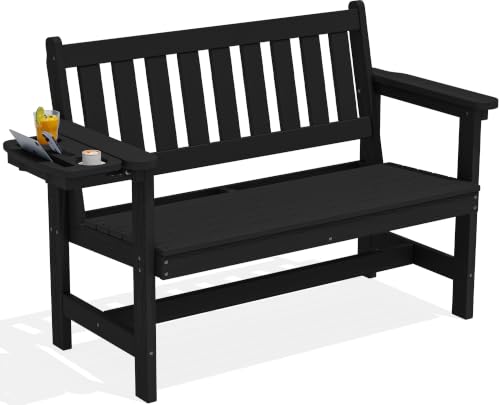
Benches with backs are better for longer sitting sessions — reading, conversation, or watching the garden. They take up more depth, so measure carefully before committing. A backed bench works well as a standalone feature along a fence or hedge line.
Corner and L-Shaped Benches
Corner benches maximize awkward patio corners and create a built-in feel. They are common in gazebos and pergolas where the structure already defines the seating zone. These are usually fixed rather than movable, so plan their position before installation.
Storage and Convertible Benches
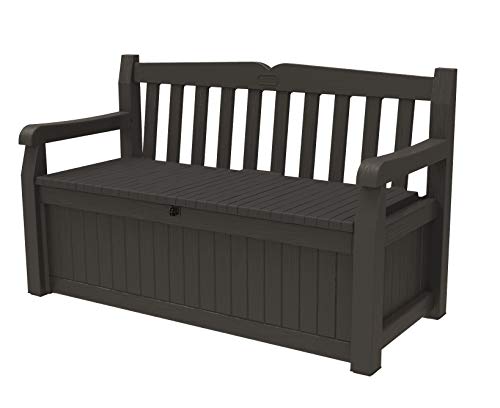
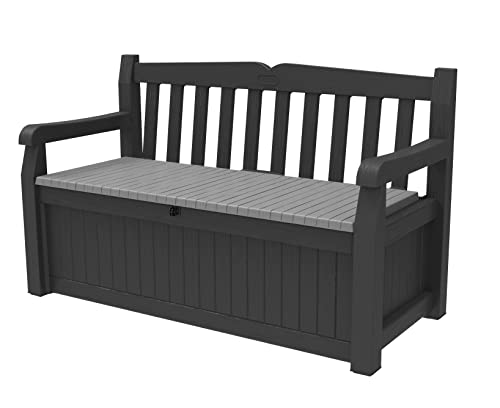
Some benches include lift-up seats or under-seat compartments for cushions and small tools. If your patio lacks storage, a storage bench can replace a separate box. For dedicated cushion storage, an outdoor waterproof storage box for cushions is a more focused solution.
Park and Garden Benches
Classic slatted park benches bring a traditional look and are often built heavier than patio benches. If that style appeals to you, browse park benches to compare slat patterns and armrest designs.
Material Comparison
Material determines how a bench ages, how often you maintain it, and how it feels in different climates. There is no single best material — only the best match for your conditions.
Wood
Wood is warm, repairable, and classic. Teak, acacia, and eucalyptus are common choices for outdoor benches because of their natural oils and density. Wood requires periodic sealing or oiling, and it can crack if left untreated in freeze-thaw cycles. On the positive side, scratches can be sanded out, which makes wood a long-term investment for handy owners.
Metal
Powder-coated aluminum and wrought iron are popular for benches because they hold fine profiles and resist insects. Aluminum is lighter and rust-resistant; wrought iron is heavier and more rigid. Both can heat up in direct sun, so cushioned seating helps. For decorative metal styles, see our notes on painting outdoor metal furniture when touch-ups are needed.
Wicker and Resin
All-weather wicker over an aluminum frame gives a softer look without the maintenance of natural rattan. Resin wicker resists fading and moisture well. If you like this texture, our outdoor wicker chairs page shows how wicker seating styles compare. Wicker benches are best in covered or semi-covered areas to extend their lifespan.
Concrete and Stone
Concrete and stone benches are permanent, heavy, and extremely durable. They suit formal gardens and public-style landscapes, but they are not movable and can feel cold. They rarely need more than occasional cleaning.
Recycled Plastic
Recycled plastic lumber resists rot, insects, and moisture without sealing. It is heavier than it looks and holds color well. The trade-off is a more uniform, manufactured appearance compared to natural wood grain.
Quality Tiers Explained
Bench construction varies widely. Rather than comparing by currency, it helps to understand where a bench sits in the market by build quality and intended use. The table below uses a consistent tier system across this guide.
| Tier | Typical Construction | Best For |
|---|---|---|
| Entry-level | Lighter frames, basic finishes, simpler joinery | Occasional seating, renters, temporary setups |
| Mid-range | Solid frames, powder-coated or sealed finishes, reinforced joints | Everyday residential use, balanced durability |
| Premium | High-grade materials, rust-proof hardware, refined detailing | Long-term outdoor placement, harsh weather |
| Luxury / Commercial-grade | Heavy-duty frames, marine-grade fittings, structural reinforcement | High-traffic patios, public spaces, permanent installs |
Mid-range benches usually offer smoother hardware and better finish consistency than entry-level models. Premium and commercial-grade benches are built for decade-long exposure and heavier use. The right tier depends on how often the bench will be used and how exposed it is to rain, salt air, or intense sun.
Placement and Sizing
Placement is where most bench purchases go wrong. A bench that blocks a walkway or crowds a table gets ignored. A bench placed with intention becomes the most-used seat on the patio.
Measure First
Standard patio benches run roughly four to six feet in width, but compact two-seat benches and long eight-foot benches also exist. Measure the wall, fence, or garden edge where the bench will sit, and leave at least two feet of walking clearance in front.
Good Positions
- Along a fence or hedge line where it adds structure without blocking traffic
- Facing a garden view, fire pit, or water feature
- At the end of a path or patio edge as a resting point
- Under a pergola or near shade structures for summer comfort
Positions to Avoid
- Directly in front of a door or main walkway
- Where sprinklers hit the seat regularly
- On uneven ground without adjustable feet or footings
If your patio doubles as an entertaining space, position the bench so it complements rather than competes with the main seating. A patio conversation set and a bench can coexist well if the bench sits slightly apart as a secondary seat.
Comfort and Cushions
A bench without cushioning is fine for short rests but tiring for long ones. Seat depth, back angle, and cushion thickness all affect comfort.
Look for a seat depth of at least 16 to 18 inches for adults. Backed benches should have a slight recline — too upright feels stiff, too laid back is hard to get out of. Armrests help older users and anyone who needs support standing up.
Cushions make a bench usable for hours. Choose quick-dry foam and solution-dyed fabrics for outdoor use. If you already own outdoor seating, review our outdoor pillows guide for fabric and filling options that hold up to sun and moisture. For fixed benches, tie-on cushions prevent sliding.
On metal benches, cushions also reduce heat transfer in direct sun. On wood benches, they add comfort without hiding the grain permanently.
Care and Weatherproofing
Bench care depends on material, but a few habits apply to all types.
- Clean with mild soap and water; avoid abrasive pads on coated finishes
- Inspect hardware and tighten bolts at the start of each season
- Store cushions when not in use to prevent mildew
- Touch up scratches on metal promptly to prevent corrosion spread
- Reapply sealant or oil on wood according to manufacturer guidance
If your bench sits in an exposed spot, consider a cover during off-season months. Weatherproofing extends the life of any tier — even premium benches benefit from basic protection. For related maintenance advice, see our outdoor waterproof material for garden furniture overview.
Wooden benches benefit from annual inspection of joints and feet, since ground contact is where rot begins. Metal benches should be checked for paint chips near welds and feet.
Buying Checklist
Before You Buy a Patio Bench
- Measure the intended spot, including walking clearance in front
- Decide between backless, backed, corner, or storage design
- Match material to your climate and maintenance willingness
- Confirm seat depth and height suit the people who will use it
- Check frame weight and whether it needs anchoring
- Plan cushion fabric and filling for outdoor conditions
- Review hardware quality — stainless or coated fasteners last longer
- Confirm assembly requirements and tools needed
If the bench will sit near a dining area, consider how it pairs with your existing table and chairs. A patio bistro set or a full outdoor dining arrangement can guide the style and finish you choose for the bench.
Frequently Asked Questions
How long should a patio bench be?
Two-seat benches typically run around four feet, while three-seat benches run closer to five to six feet. Long garden benches can reach eight feet. Choose based on the wall or edge you are filling, and keep at least two feet of walking clearance in front.
Which material lasts longest outdoors?
Concrete and stone last longest with minimal care, followed by premium metal and high-grade wood like teak. Resin wicker and recycled plastic also hold up well. The biggest factor is exposure — a covered bench of any material outlasts an exposed one.
Do I need cushions for a patio bench?
Not strictly, but cushions make longer sitting far more comfortable and protect metal seats from heat. Choose quick-dry foam and solution-dyed fabric, and store cushions when not in use.
Can a patio bench stay outside all year?
Many benches are designed for year-round outdoor use, but harsh winters and salt air accelerate wear. Covers, regular cleaning, and touch-ups on metal and wood extend lifespan considerably.
Where should I place a bench on my patio?
Place it along a fence or hedge, facing a view or fire feature, or at the end of a path. Avoid blocking doors and walkways, and keep it away from sprinkler spray.