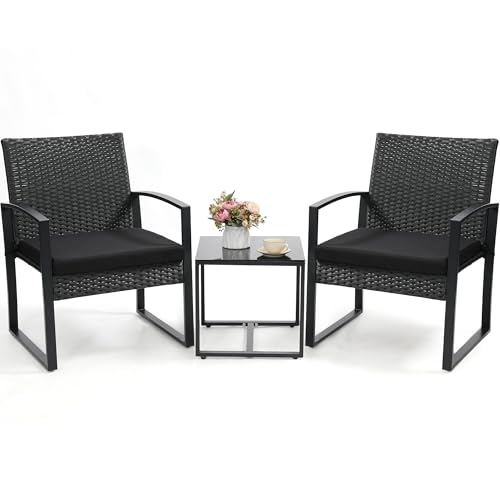
Rather than scanning dozens of listings, narrow your options using five factors that drive almost every outcome: frame material, construction quality, cushion fabric, size and seat geometry, and maintenance demands. Each factor below explains what to look for and where corners are typically cut.
1. Frame Material
The frame is the skeleton of the chair and the single biggest predictor of lifespan. Powder-coated aluminum is the most versatile choice — lightweight, rust-resistant, and easy to reposition. High-grade steel is heavier and very sturdy but requires a rust-proof finish to survive wet climates. Resin frames are the most weather-tolerant entry-level option and hold up well in sun and rain, though they feel less refined. Wood, including teak and acacia, offers timeless warmth but demands periodic sealing and oiling. Synthetic wicker wrapped over an aluminum frame delivers the woven look with far better weather resistance than natural rattan — see our wicker patio chairs overview for the full breakdown.
2. Construction Quality
Two chairs with the same frame material can differ dramatically in build. Look for welded joints rather than screws alone, reinforced stress points at the seat corners, and a weight rating stated in the product spec. A solid build should not flex or creak when you shift your weight. If you are comparing options side by side, our guide to wicker dining chairs and swivel chairs with cushions shows how construction details vary across price tiers.
3. Cushion Fabric and Foam
If your chairs include cushions, fabric selection matters as much as the frame. Solution-dyed acrylic and olefin resist UV fading and moisture better than cotton blends. Quick-dry foam prevents the dreaded soggy-seat problem after rain. Cushion care also extends life significantly — our waterproof material guide explains which fabrics hold up and which degrade. When cushions eventually wear out, replacement options are widely available, including replacement cushion sets that refresh a chair without replacing the frame.
4. Size, Seat Height, and Geometry
Seat height determines how a chair pairs with a table. Standard dining chairs sit around 17 to 18 inches, while bar-height chairs are built to match taller tables. Seat depth affects comfort — deeper seats suit lounging but can feel unsupportive for dining. Armrest height matters for clearance under a table. If your layout mixes seating types, our patio chair set guide and set-of-two overview break down how coordinated sets simplify matching dimensions.
5. Maintenance and Storage
Every material demands some upkeep, so choose a chair whose maintenance routine you will actually follow. Aluminum and resin need occasional cleaning; wood needs annual sealing; cushions need storage during off-season. A waterproof storage box for cushions protects your investment in humid or rainy climates — see our waterproof cushion storage guide. In regions with harsh winters, stacking chairs or a dedicated waterproof storage cabinet keeps frames and cushions protected without taking over the garage.