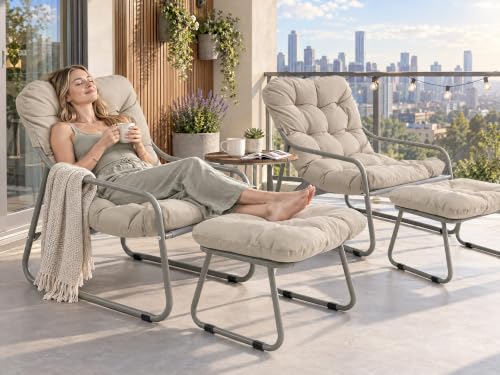
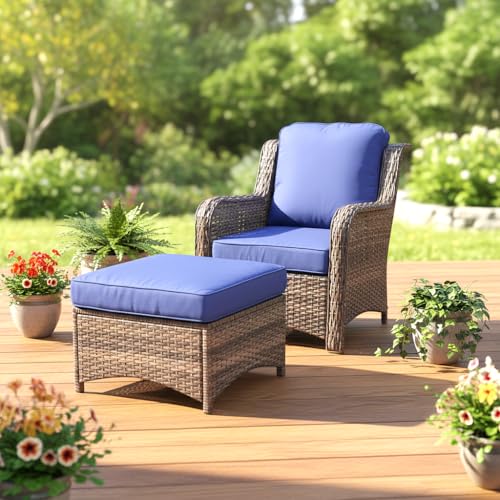
Patio Chair with Ottoman That Slides Underneath
Space-smart seating for balconies, decks, and cozy patios. Learn how nested-ottoman chairs combine lounge comfort with a footprint that stays tidy when the day is done.
Explore Buying FactorsWhy this design matters: A patio chair with an ottoman that slides underneath solves a common outdoor problem — how to enjoy leg-rest comfort without permanently occupying extra floor space. When the ottoman tucks beneath the seat, your patio instantly regains room for walkways, planters, or a small dining setup. This guide walks through the structural details, materials, and practical considerations so you can pick a design that fits your space and lifestyle.
What Defines a Sliding-Ottoman Patio Chair?
These chairs are engineered around a simple idea: the ottoman is sized to nest beneath the seat frame. The chair legs or base rails are elevated enough to create a storage cavity, and the ottoman typically rolls on low-profile casters, glides on felt pads, or slides on smooth runners. When you want to recline, you pull it forward; when you are done, it disappears back into the silhouette of the chair.
The result is a piece of furniture that behaves like two products in one. During daytime lounging, it functions as a chaise-style seat with a footrest. In the evening or when guests arrive, it converts back to a compact armchair. For anyone comparing seating options, this dual-purpose nature places it in a distinct category from fixed chaise lounges and oversized recliners.
How the Nesting Mechanism Works
Most designs rely on one of three approaches. First, caster-based nesting uses small wheels on the ottoman that roll across patio pavers or decking. Second, glide-based nesting uses felt or plastic glides that slide along the chair’s lower frame — quieter on wood decks but less forgiving on uneven stone. Third, track-based nesting uses integrated rails or channels that guide the ottoman in a straight line, which tends to feel the most stable and precise.
When reviewing product listings, look for language about “pull-out,” “tuck-away,” or “nested” ottomans. Check whether the ottoman locks into place when extended, and whether the chair frame includes a stop or bumper to prevent it from sliding too far back under the seat.
Why Choose a Nested-Ottoman Chair?
Space Efficiency
With the ottoman stored, the footprint is close to a standard armchair — ideal for balconies and small patios where every inch counts.
Dual-Purpose Comfort
One purchase delivers both a lounge seat and a footrest, so you get chaise-like relaxation without committing to a fixed lounger.
Tidy Appearance
When not in use, the ottoman disappears beneath the chair, keeping your outdoor area visually calm and easy to sweep or clean.
Flexible Layouts
Pull out the ottoman for solo reading sessions, tuck it away when hosting friends, and rearrange seating without moving heavy pieces.
Key Buying Factors to Evaluate
Frame Materials and Finish
Powder-coated aluminum is a popular choice for nested-ottoman chairs because it is lightweight, rust-resistant, and easy to reposition. High-grade steel offers a sturdier feel but weighs more and needs a rust-proof finish to survive wet climates. Wood frames — teak, acacia, or eucalyptus — bring warmth and natural texture, though they require periodic sealing to prevent moisture damage. Wicker and rattan wraps over metal frames add visual texture and hide scratches, but check that the weave is tight and UV-stabilized.
For a deeper look at weather resistance across materials, the guide on outdoor waterproof material for garden furniture is a useful companion read.
Ottoman Size and Clearance
The ottoman must be narrow enough to slide under the seat without scraping the legs, yet wide enough to support both feet comfortably. Measure the interior clearance of the chair frame and compare it with the ottoman dimensions listed in the product specs. A well-designed set typically leaves a small gap on each side so the ottoman glides freely without wobbling.
Height also matters. If the ottoman sits too tall, it will not clear the seat’s underside; too low, and it may feel unstable underfoot. Look for listings that specify the ottoman height and the chair’s under-seat clearance.
Cushion Fabric and Foam
Outdoor cushions should use solution-dyed acrylic or olefin fabrics, which resist fading and mildew. Quick-dry foam cores allow water to drain after rain, preventing that heavy, soggy feel. Removable, machine-washable covers are a practical bonus for households with pets or children. If you plan to leave the chair outside year-round, consider a fabric with a high UV rating and a water-repellent finish.
For replacement or upgrade options, browse patio chair seat cushions set of 2 to see how cushion styles vary across designs.
Weight Capacity and Stability
A sliding ottoman adds moving parts, so frame rigidity matters. Check the stated weight capacity and look for reinforced joints, cross-bracing, or a wider base. On windy balconies, heavier frames or those with weighted feet are less likely to shift. If the chair includes a swivel or rocking function, confirm that the mechanism is rated for outdoor use and sealed against grit.
Assembly and Portability
Most nested-ottoman chairs ship flat-packed with basic tools required. Read reviews about assembly clarity, especially around the ottoman track or caster installation. If you plan to move the chair between patio and balcony, a lighter aluminum frame is easier to reposition than a solid wood or steel build.
Tier Comparison: Matching Features to Your Needs
Rather than focusing on figures, think in terms of market positioning. The table below summarizes how features typically scale across quality tiers so you can align your expectations with the category you are shopping.
| Tier | Best For | Typical Characteristics |
|---|---|---|
| Entry-level | Casual, seasonal use on covered patios | Lightweight aluminum or resin frame, basic caster nesting, standard polyester cushions, simpler assembly |
| Mid-range | Regular use across seasons | Powder-coated aluminum or sealed acacia frame, smoother glide or track system, quick-dry foam, UV-resistant fabric |
| Premium | Year-round outdoor living and design-focused spaces | Heavy-duty frame with reinforced joints, precision track nesting, solution-dyed acrylic cushions, rust-proof hardware, refined finishes |
| Luxury | High-end patios and commercial-grade settings | Teak or marine-grade aluminum, custom fabric options, concealed locking mechanisms, exceptional build tolerances |
Within each tier, look for “good value for its tier” signals — well-specified hardware, clear warranty terms, and consistent customer feedback about the sliding mechanism. A mid-range model with a smooth track often feels more refined than an entry-level design with basic casters, even though both accomplish the same core function.
Design and Styling Considerations
Nested-ottoman chairs come in several visual languages. Modern minimalist designs favor slim aluminum frames and neutral cushions, fitting neatly into contemporary patios. Coastal styles use white or light gray frames with blue and sand-toned fabrics. Rustic and farmhouse looks lean toward wood frames with textured weaves and earthy upholstery. If your patio already has a strong theme, choose a chair that echoes it rather than competing.
Consider how the chair pairs with surrounding pieces. A pair of nested-ottoman chairs can anchor a conversation area alongside a wicker coffee table with glass top or a wood side table. If shade is part of your plan, review outdoor umbrellas to find a canopy that fits the scale of your seating.
Placement Ideas for Small and Large Patios
On a compact balcony, place the chair in a corner with the ottoman nested, then pull it out toward the railing when you want to recline. Leave at least a few inches of clearance behind the chair so the ottoman can slide fully back. On larger patios, consider a pair angled toward a fire feature or garden view, with the ottomans tucked away when the space is used for entertaining.
If your outdoor room includes dining or bar seating, the chair can serve as a transitional lounge piece between zones. Browse wicker bar height table and chairs for ideas on layering seating types without crowding the layout.
Care and Maintenance
- Rinse frames with mild soap and water, then dry with a soft cloth to prevent water spots.
- Clear debris from the ottoman track or casters so it continues to slide smoothly.
- Store cushions in a waterproof storage box when not in use to extend fabric life.
- Apply a sealant to wood frames annually, following the manufacturer’s recommendations.
- Use a fitted cover during off-season months to protect against prolonged sun and rain.
- Tighten assembly bolts periodically, especially on models with track-based nesting.
For cushion storage options, compare outdoor waterproof storage box for cushions and outdoor waterproof storage box with wheels to find a size that fits your cushion dimensions.
Common Mistakes to Avoid
One frequent oversight is buying an ottoman that is too wide for the chair’s under-seat cavity — always confirm both measurements. Another is ignoring the sliding surface: casters that work on smooth pavers may struggle on gravel or thick outdoor rugs. Finally, some shoppers prioritize cushion thickness without checking that the ottoman still clears the frame when nested. A slightly thinner cushion can make the difference between smooth storage and constant friction.
Also consider the chair’s back height and recline angle. A deeper seat feels more luxurious but requires more space behind the chair, which matters on tight balconies. Test the recline position with the ottoman extended to ensure your legs are supported without overextending the chair’s footprint.
Frequently Asked Questions
What is a patio chair with an ottoman that slides underneath?
It is a lounge chair designed so its matching ottoman nests beneath the seat frame when not in use. The ottoman pulls out for leg support and tucks away to free up floor space, making it ideal for compact patios, balconies, and decks.
Are nested-ottoman patio chairs suitable for small outdoor spaces?
Yes. Because the ottoman stores under the chair, the combined footprint shrinks to roughly the size of a single armchair. This makes these designs a practical choice for balconies, apartment patios, and narrow decks where every square foot matters.
What materials work best for an outdoor chair and footrest set?
Powder-coated aluminum and high-grade steel resist rust well, while teak and acacia offer natural warmth with proper sealing. For fabrics, solution-dyed acrylic and olefin resist fading and moisture. Look for quick-dry foam cushions and rust-proof hardware for long-term durability.
How do I maintain a sliding ottoman patio chair?
Clean the frame with mild soap and water, rinse and dry thoroughly. Brush debris from the ottoman track so it slides smoothly. Store cushions in a waterproof storage box during off-season months and use a fitted cover to protect the frame from prolonged sun and rain exposure.
Can a sliding ottoman chair be used on a balcony?
Yes, provided the chair fits within your balcony dimensions and the building allows outdoor furniture. Check the assembled footprint with the ottoman extended, confirm weight limits for upper-floor balconies, and consider wind exposure when choosing lighter frames.