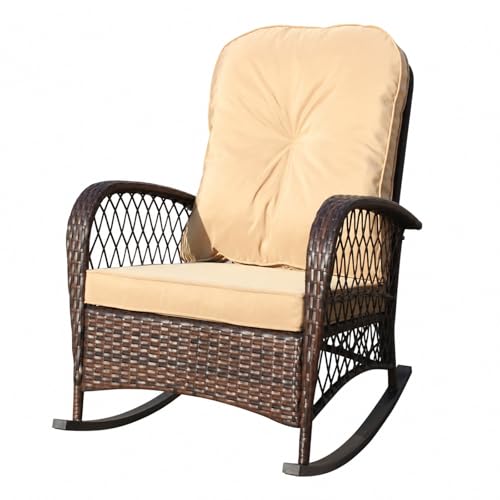
Outdoor Wicker Rocking Chairs: The Complete Buying & Style Guide
Everything you need to choose a wicker rocking chair that fits your porch, patio, or garden — from frame construction and weave quality to cushion fabrics and space planning.
Start the GuideOutdoor wicker rocking chairs sit at the intersection of comfort and craftsmanship. The visible weave gives them a natural, tactile character, while the hidden frame determines how long they last and how safe they feel. Because the category spans simple starter pieces to furniture-grade builds, understanding the differences before you buy saves you from surprises later. Whether you are outfitting a first apartment balcony or refreshing a wraparound porch, the principles below apply.
Why Choose a Wicker Rocking Chair Outdoors?
Wicker refers to the weaving technique, not the material itself. That distinction matters because the same woven look can be produced from natural rattan, willow, bamboo, or synthetic resin strands. For outdoor use, the synthetic versions dominate for good reason: they resist moisture, do not splinter, and hold their color under sustained sun exposure. A well-made resin wicker rocker can stay on an open deck through multiple seasons with only routine cleaning.
Beyond durability, wicker rocking chairs bring a visual softness that metal or solid wood often cannot. The interlaced strands catch light and cast fine shadows, which makes them feel inviting even before you sit down. If your outdoor space leans toward a relaxed, layered aesthetic, a wicker rocker anchors the seating area without looking rigid. Pairing one with a matching wicker side table or a wicker coffee table creates a cohesive conversation zone.
Types of Outdoor Wicker Rocking Chairs
The market splits into a few recognizable formats. Knowing which one suits your space prevents a purchase that looks right but functions poorly.
Single Rocker
The classic one-seat design. Ideal for a reading corner, a narrow porch, or pairing with a small table. Easy to reposition as the sun moves.
Rocker Sets of Two
Matched pairs are popular for porches and patios because they create a natural conversation setup. A wicker rocking chair set of 2 is often the most balanced choice for couples or small households.
Rockers with Cushions
Many models ship with seat and back cushions. If you prefer a specific fabric or need replacement later, frame-only chairs let you choose your own cushioned wicker rockers or upgrade separately.
Swivel-Rocker Hybrids
Some frames combine a rocking arc with a swivel base. These suit open patios where guests rotate between conversation and view. Compare with dedicated wicker swivel chairs if rotation matters more than motion.
Key Buying Factors to Evaluate
1. Frame Material
The frame is the skeleton, and it dictates weight, stability, and rust resistance. Powder-coated aluminum is the most common choice for outdoor wicker rocking chairs because it is light enough to move alone and will not corrode. High-grade steel frames feel more substantial and suit heavier users or windy exposures, but only when the finish is a genuine rust-proof coating. Wood frames are traditional and beautiful, though they need re-sealing every season or two.
2. Wicker Type and Weave Density
Resin wicker made from high-density polyethylene is the standard for outdoor furniture. Tight, uniform weaves resist sagging and hide the frame better than loose weaves. Run your hand across the surface if you can: strands should feel smooth, consistent, and firmly anchored. Uneven spacing or protruding ends are early signs of a lower-grade build.
3. Rocking Mechanism
Rocking chairs vary in how much motion they allow. A gentle arc suits reading and conversation; a deeper curve feels more dynamic but can be harder for guests with limited mobility to exit. Check that the rocker rails are wide enough to prevent tipping and that the arc sits flush with the floor. On uneven patios, a chair with slightly wider rails is more forgiving.
4. Cushion Fabric and Foam
If cushions are included, look for solution-dyed acrylic or olefin covers, which resist fading and mildew. Quick-dry foam keeps the seat usable after rain. Removable, zippered covers make seasonal cleaning far easier. For a coordinated look, browse outdoor outdoor pillows to add accent color without replacing the main cushions.
5. Size and Weight Capacity
Measure your space before ordering. Rocking chairs need clearance behind and in front for the motion arc — typically a few inches beyond the footprint. Weight capacity varies widely: entry-level and mid-range models often support around 250–300 pounds per seat, while heavy-duty and commercial-grade frames reach 350 pounds or more. If the chair will be shared by users of different sizes, prioritize a wider seat and a stated higher capacity.
Market Tiers at a Glance
Instead of focusing on numbers, think in tiers. Each tier describes a relative position in the market and what you can reasonably expect from the build. The descriptors below are consistent throughout this guide.
| Tier | Typical Build | Best For |
|---|---|---|
| Entry-level | Lighter aluminum frame, basic resin weave, thinner cushions | Balconies, seasonal use, first outdoor seating |
| Mid-range | Powder-coated aluminum, denser weave, quick-dry cushions | Everyday porch and patio use, families |
| Premium | Reinforced frame, furniture-grade weave, solution-dyed fabric | Full-season exposure, design-focused spaces |
| Luxury / commercial-grade | Heavy-duty frame, hand-finished weave, high-spec cushions | Hospitality settings, windy or coastal exposures |
Placement and Styling Ideas
A wicker rocking chair works hardest when it has a purpose. On a covered porch, angle one toward the street or garden path so the view becomes part of the experience. On an open patio, position it near shade — a patio umbrella or a parasol can transform a hot corner into a usable retreat. If you plan to pair two chairs, leave a small table between them for drinks and a book.
For a layered look, add a rug to define the zone and a planter to soften the edges. If your patio is still in the planning stage, our notes on outside patio layouts and patio conversation sets can help you scale the seating arrangement. Rocking chairs also mix well with outdoor wicker chairs and wicker loveseats when you want a fuller seating group without a matching suite.
Care and Maintenance
Routine care is simple but not optional. Rinse the weave with a hose and a mild soap solution every few weeks during heavy-use seasons, then let it air-dry fully before replacing cushions. Avoid abrasive brushes that can fray the strands. In winter, remove cushions, clean and dry the frame, and cover the chair with a breathable waterproof cover. If you store the chair outdoors year-round, elevate it slightly so standing water cannot pool at the base.
For broader maintenance guidance, see our notes on waterproof materials for garden furniture and consider a waterproof cushion storage box to keep fabrics dry between uses.
Frequently Asked Questions
Are outdoor wicker rocking chairs weather-resistant?
Yes. Modern models use resin wicker or high-density polyethylene over a powder-coated aluminum or steel frame, both designed to resist moisture, UV rays, and temperature swings. Natural rattan and willow versions exist but need cover from rain and should sit under a porch roof.
What frame material is best for a wicker rocking chair?
Powder-coated aluminum is the most popular because it is light, rust-proof, and easy to rearrange. High-grade steel feels sturdier and suits heavier users, provided the finish is a genuine rust-proof coating. Wood frames are traditional but require seasonal sealing.
How much weight can outdoor wicker rocking chairs support?
Support varies. Entry-level and mid-range chairs commonly support around 250–300 pounds per seat, while heavy-duty and commercial-grade frames often reach 350 pounds or more. Always check the manufacturer's stated capacity, especially for oversized or deep-seat rockers.
Do wicker rocking chairs come with cushions?
Many are sold as sets with seat and back cushions; others are frame-only. Look for solution-dyed acrylic or olefin fabrics with quick-dry foam and zippered covers. Replacement cushions are widely available, so a frame-only purchase can be dressed later.
How do I protect wicker rocking chairs in winter?
Clean and dry thoroughly, remove cushions and store them indoors, then cover each chair with a breathable waterproof cover. In heavy-snow regions, move the chairs into a garage or shed. Resin wicker tolerates cold well, but ice can crack lower-grade weaves.
Ready to Choose Your Rocking Chair?
Use the checklist above to narrow your options, then explore our recommended outdoor wicker rocking chairs below.
See Recommended Chairs