
Outside Patio: The Complete Guide to Planning Your Outdoor Living Space
An outside patio extends your home beyond four walls. This guide walks you through layout planning, material selection, furniture choices, shade strategies, and weather protection so you can build a space that works for your climate, your lifestyle, and your long-term enjoyment.
Start PlanningWhy the outside patio matters: A well-planned patio adds usable living area, improves how you entertain, and creates a daily connection to fresh air. The decisions you make early — surface material, footprint size, furniture tier — determine how comfortable the space feels for years. Use this guide as a research companion before you commit to any major purchase.
What Defines a Great Outside Patio?
An outside patio is more than a slab behind the house. It is a defined zone where seating, dining, shade, and circulation work together. The strongest patios share a few characteristics: a clear purpose, a surface that drains well, furniture scaled to the footprint, and protection from sun or rain that matches how often you use the space.
Before choosing any product, map how you will actually use the patio. A household that hosts dinners needs a dining-focused footprint. A household that reads and relaxes needs lounge seating and calm lighting. A household with children or pets needs durable, easy-clean surfaces and rounded edges. Purpose first, products second.
Planning the Layout Before You Buy Anything
Measure the usable footprint, then subtract circulation space. A practical rule is to leave 30 to 36 inches of walkway between furniture groupings and between furniture and the house wall. If the patio is compact, a small-patio layout strategy helps you avoid overcrowding by focusing on one primary function rather than three half-finished ones.
Sketch two zones on paper: a conversation zone and a dining zone if both are needed. If the footprint is large enough, a sectional with a dining table combines both functions in one footprint. For narrow spaces, a compact outdoor table preserves walkway clearance while still giving you a surface for drinks and plates.
Think about traffic flow from the interior door outward. The path from the door to the seating area should be direct and free of trip hazards. Keep the grill or cooking zone away from the main circulation path so it does not become a bottleneck during gatherings.
Conversation Zone
Seating arranged around a low table or fire feature. Keep the circle tight enough that voices carry without leaning forward.
Dining Zone
Table plus chairs with clearance for pulling seats out. Allow extra room on the serving side for a cart or side table.
Shade Zone
Umbrella, pergola, or awning placement should cover the hottest part of the day, not just look symmetrical.
Storage Zone
Cushions, covers, and small tools need a dry home nearby. A storage cabinet or bench with a lift-top solves this.
Choosing the Patio Surface Material
The surface sets the tone for everything above it. Concrete, pavers, stone, tile, and composite decking each behave differently under heat, rain, and foot traffic. Concrete is the most forgiving for a simple outside patio and can be stamped or stained later. Pavers allow modular repair if one section cracks. Natural stone offers the most texture and slip resistance but requires careful sealing in freeze-thaw climates.
Drainage is non-negotiable. The surface should slope away from the house at roughly 1/8 inch per foot. If the patio sits below grade, a French drain or channel drain prevents standing water that damages furniture legs and creates mosquito habitat.
Surface temperature matters more than most buyers expect. Dark pavers and dark composite absorb heat and can become uncomfortable barefoot in direct sun. Lighter tones stay cooler. If you plan to use the patio without shoes, test a sample in afternoon sun before committing.
Selecting Furniture for the Outside Patio
Furniture is where most of the decision fatigue happens. Start with the frame material, then the cushion, then the accessories. Aluminum frames are lightweight and resist rust; powder-coated versions add a durable finish. Powder-coated aluminum furniture is a strong default for humid climates because it will not corrode the way untreated steel can.
Wicker and rattan bring warmth and texture. Synthetic wicker over an aluminum frame is the weather-resistant version and holds up well under covered patios. If you want the wicker look for dining, rattan bar stools pair well with a high-top table without overwhelming a small footprint.
Cushions are the most frequently replaced component. Look for quick-dry foam and solution-dyed acrylic fabric. A set of four patio chair cushions is a practical starting point for a four-seat dining arrangement, and 24 x 24 outdoor seat cushions fit most standard lounge chairs.
For seating arrangements, a patio conversation set keeps the seating cohesive and pre-scaled. For larger families, a patio chairs set of six supports a full dining table. Swivel seating adds flexibility: outdoor swivel chairs with cushions let guests turn between conversation and dining without moving furniture.
Furniture Tier Guidance
Entry-level patio furniture typically uses thinner aluminum and shorter cushion warranties. Mid-range sets usually add better foam density and reinforced joints. Premium and luxury tiers focus on welded frames, replaceable cushion covers, and longer structural warranties. Match the tier to how many seasons you expect to use the patio and whether it sits under cover.
Dining Configurations for Different Patio Sizes
A four-person table is the most versatile starting point. A patio table and chairs for four fits most mid-sized patios while leaving circulation space. If shade is a priority, a patio table and chairs with umbrella bundles the two purchases and guarantees the umbrella fits the table's hole and base.
For households that host larger groups, an eight-seater patio table and chairs becomes the anchor of the patio. Confirm the footprint against your walkway clearance before committing. A rectangular patio dining table with umbrella hole works well on long, narrow patios because it follows the shape of the space.
Round tables encourage conversation and fit more naturally into square patios. A round patio table and chairs with umbrella is a classic configuration for a family patio. For a larger round setup, a 60-inch round patio table and chairs seats six comfortably.
If you want a combined dining and lounge footprint, a sectional with dining table or a outdoor sectional with dining table merges the two zones without duplicating floor space.
Shade, Comfort, and Microclimate Control
Shade determines whether the patio is usable at midday. A patio umbrella is the most flexible solution because it can be moved or closed as the sun shifts. Pair it with a weighted patio umbrella base so wind does not tip the canopy. For larger areas, a pergola provides permanent structure and supports climbing plants or retractable fabric.
If the patio is exposed to afternoon sun, a rectangular patio umbrella covers a dining table more efficiently than a round canopy because the shape matches the table. For tables without a center hole, a cantilever umbrella is the alternative — but confirm the base footprint fits your patio edge.
Comfort extends beyond shade. A outdoor rug defines the seating zone, softens hard surfaces, and reduces the visual "floating furniture" effect. On covered patios, a rug also catches crumbs and makes cleanup easier.
Weatherproofing and Seasonal Care
Every outside patio faces weather. The goal is not to make furniture indestructible but to slow wear and make maintenance predictable. Start with outdoor weatherproofing basics: covers for the off-season, furniture positioned away from roof runoff, and cushion storage that keeps fabric dry between uses.
All-weather furniture is a category defined by frame treatment and fabric rating, not by a single material. All-weather patio furniture typically combines rust-resistant frames with UV-stable fabrics. For coastal or humid climates, powder-coated cast aluminum patio furniture resists salt air better than steel or untreated iron.
Wood furniture needs annual sealing in most climates. Teak and acacia are naturally more resistant, but both benefit from oiling to prevent surface cracking. Metal furniture should be wiped down after rain in coastal areas to remove salt residue.
Frame Material Comparison for Outside Patios
| Material | Tier Positioning | Best For | Maintenance Level |
|---|---|---|---|
| Powder-coated aluminum | Mid-tier to premium | Humid and coastal climates | Low — wipe down seasonally |
| Cast aluminum | Premium to luxury | Traditional styling, heavy wind areas | Low — touch-up paint as needed |
| Synthetic wicker over aluminum | Entry-level to mid-range | Covered patios, textured look | Moderate — inspect weave annually |
| Teak and hardwood | Premium to luxury | Dry climates, natural aesthetic | Moderate — oil annually |
| Steel with powder coat | Entry-level to mid-range | Covered patios, budget-conscious builds | Moderate — check for chips and rust |
Finishing Touches That Make the Patio Livable
Small additions often determine whether a patio feels finished. A patio side table with glass top gives each seating group a place for drinks without adding a large surface. A serving station and storage cabinet keeps plates, covers, and small tools organized near the dining zone.
Lighting transforms how the patio feels after sunset. Patio lighting should be layered: ambient overhead light, task light near the grill or table, and accent light along walkways. Battery and solar options avoid the need for trenching.
If the patio is part of a larger deck structure, patio deck treatments — railings, step lighting, and board orientation — affect both safety and visual flow. For pools nearby, pool loungers in quick-dry fabric keep the seating zone comfortable without dragging water into cushions.
For covered or screened spaces, screened porch furniture follows the same tier logic but benefits from lighter fabrics because the structure already blocks direct rain.
Common Planning Mistakes to Avoid
- Buying furniture before measuring circulation: Furniture that fits the footprint but blocks walkways makes the patio feel smaller than it is.
- Ignoring drainage: Standing water shortens furniture life and creates slipping hazards. Confirm slope and drainage before the surface is installed.
- Skipping shade planning: A patio without shade is unusable at midday in many climates. Plan shade before choosing furniture placement.
- Mixing too many frame materials: Visual cohesion is easier when the primary frame material repeats across seating, dining, and side tables.
- Underestimating cushion storage: Cushions that stay out in rain degrade faster. Plan a dry storage location from the start.
Frequently Asked Questions
How large should an outside patio be for a dining table and seating?
For a four-person dining table plus a small lounge area, plan a footprint of roughly 12 by 16 feet. This allows a 36-inch walkway around the table and enough space for two chairs and a side table in the conversation zone. Compact patios can work with a single-function layout and a space-saving approach.
What furniture tier makes sense for a patio that is partially covered?
Mid-range sets are usually the sweet spot for covered patios because the reduced rain exposure means the frame does not need commercial-grade coating, but cushion quality still matters for daily comfort. Entry-level sets work for seasonal use; premium and luxury tiers make more sense for year-round exposure.
Should I choose aluminum or wicker for a humid climate?
Powder-coated aluminum is the lower-maintenance choice in humid climates because it does not trap moisture. Synthetic wicker over an aluminum frame is a good alternative if you want texture, but inspect the weave annually for cracks that can let water reach the frame.
How do I keep an outside patio usable in strong sun?
Layer shade: a permanent structure like a pergola for core coverage, a patio umbrella for adjustable coverage over dining, and planting or a shade sail for edges. Position the dining table under the most reliable shade source rather than centering it for symmetry.
What is the best way to store cushions between uses?
A storage cabinet or bench with a lift-top keeps cushions dry and off the ground. If storage is not possible, bring cushions indoors during rain and overnight. Quick-dry foam cushions recover faster from accidental exposure than standard foam.
Do I need a rug on an outside patio?
A rug is optional but useful: it defines the seating zone, reduces glare from hard surfaces, and makes barefoot use more comfortable. Choose a rug rated for outdoor use with a non-slip backing, and size it so all front furniture legs rest on the rug.
Final Thoughts
An outside patio rewards planning more than impulse buying. Measure the footprint, decide the primary function, choose a surface that drains, and select furniture at a tier that matches your climate and usage. Shade and storage are not accessories — they are part of the core design. When those pieces are in place, the patio becomes a room without walls that you actually use every week, not just on special occasions.
Recommended Outside Patio Products
⚠️ AFFILIATE DISCLOSURE: This website contains affiliate links. As an Amazon Associate, we earn from qualifying purchases. If you make a purchase through these links, we may receive a small commission at no additional cost to you. Read our full affiliate policy.

Qsun 3 Pieces Patio Furniture Set Rocking Bistro Set Outdoor Rattan Conversation with Coffee Table for Garden Balcony Backyard Poolside (Grey Cushion)
Check price on Amazon
Shintenchi 3 Pieces Outdoor Patio Furniture Set, Wicker Patio Conversation Set, All Weather Wicker Rattan Patio Seating Sofas with Glass Coffee Table and Cushion, Beige
Check price on Amazon
FDW 4-Piece Patio Furniture Set | Black | Outdoor Wicker Furniture | with Coffee Table | Modern Rattan Chairs Conversation Set | Outdoor Seating | Weather-Resistant | for Porch, Garden, Lawn
Check price on Amazon
DUMOS 4-Piece Patio Furniture Set Outdoor Wicker Conversation, Black | All-Weather Resistant Rattan Outdoor Seating Chair, Glass Coffee Table, Removable Cushions, Porch Balcony Lawn Backyard
Check price on Amazon
Outdoor Lights String Patio Outside - 100ft 30M LED Waterproof Light ST38 | Dimmable, Shatterproof, Hanging Lighting Edison Bulb Deck Backyard Gazebo Balcony Party Bistro Cafe Pergola Garden Yard Porch
Check price on Amazon
Sweetcrispy 48,000 BTU Patio Heaters for Outdoor Use with Wheels | Outdoor Heaters for Patio Double Layer Stainless Steel Burner, Round Table Design for Patio, Deck, Porch, Backyard, Garden
Check price on Amazon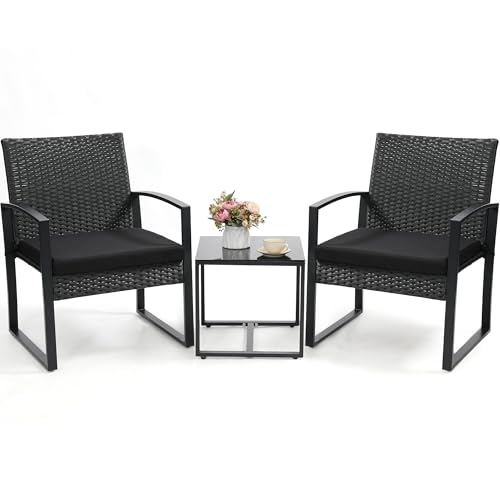
Murago Outdoor 3-Piece Wicker Bistro Set, Patio Conversation Set | 2 chairs with Coffee Table, for Balcony, Porch, Garden, Yard, Poolside, Black Frame & Black Cushion
Check price on Amazon